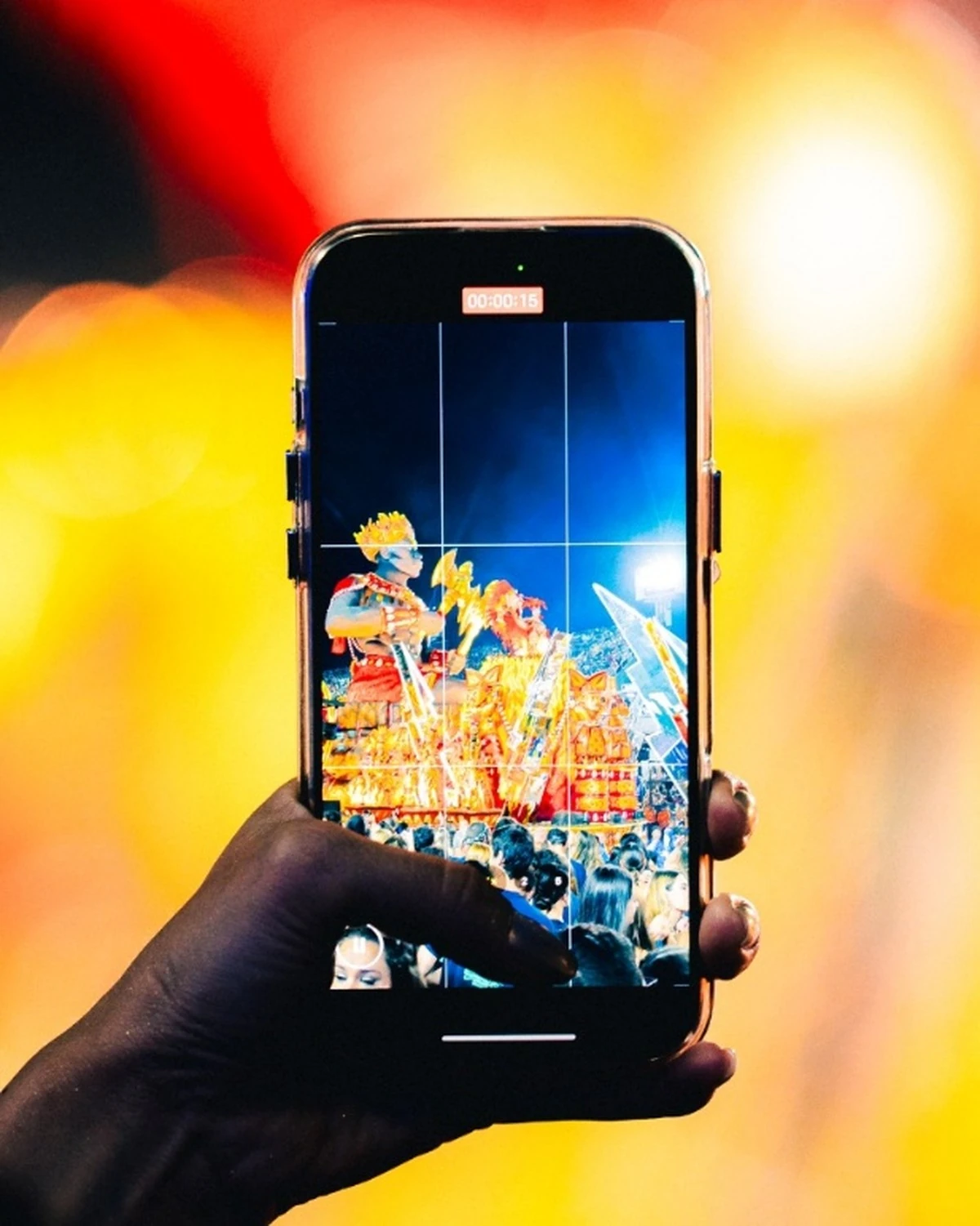
With 41% of foreign visitors choosing Rio in 2025, Carnival already shows a 23.2% jump in 2026 international flights—boosting premium Sapucaí.

Rio de Janeiro cemented its status in 2025 as the most sought-after international Carnival destination. According to official data from Brazil’s Federal Government and Embratur, the country welcomed nearly 300,000 international tourists during the season. More than 41% of them picked Rio as their main stop.
Air arrivals underscored that pull. Over 148,000 international tourists landed by plane, confirming Rio’s global reach. As a result, hotels, restaurants, and local services saw demand spike, with the benefits spreading across the city’s tourism economy.
The estimated impact for Brazil hovered around R$ 12 billion, a figure that signals why Carnival is treated as a strategic asset. It is not only a cultural celebration. It also works as a major economic engine that keeps Brazil on the international travel radar.
Momentum is already visible for next year. A study published by Embratur in December 2025 reported a 23.2% increase in international airline ticket sales for the 2026 Carnival period compared with 2025. The takeaway is clear: international demand is expected to rise, with Rio once again at the center.
Sapucaí goes far beyond the stands
Beyond street parties and parade nights, Rio offers multiple ways to experience Carnival. Among them, premium boxes have become a key draw for travelers looking for comfort, privacy, and a carefully curated music program—an approach aligned with experience-driven tourism.
“Rio doesn’t only attract those who want street parties and parades: visitors from many countries look for a full culture, music, and leisure experience, including museums, beaches, food, and historic neighborhoods. At Camarote Alma Rio, the goal is to translate that spirit into a sensory, emotional experience.”
That perspective comes from Alessandra Pirotelli, an entrepreneur with over 26 years of experience as a director and producer in Rio’s Carnival. In her view, Rio’s international appeal rests on a mix of tradition, entertainment, and a city that performs on a global stage.
In practice, these boxes have become prime meeting points for those seeking a high-end night at the Sambadrome. A privileged view is just the start: quality open bar, food service, air-conditioned lounges, and social areas elevate the experience. The crowd blends international tourists and Brazilians chasing a more sophisticated take on Carnival—where visibility and networking also matter.
Alma Rio returns in 2026 with global curation
In 2026, Camarote Alma Rio returns to Marquês de Sapucaí under the leadership of Alessandra Pirotelli; Pedro Caldas; Marcelo Fonseca; and Grupo Live, represented by Guga Pereira and Wilson Anastácio. The concept is a music lineup that blends Brazilian names with international acts.
Confirmed performances include Gilsons, Mart’nália, Pretinho da Serrinha, and Marcelo D2. On the global side, the lineup features Maxa, WhoMadeWho, Jamie Jones, Black Coffee, Miguelle & Tons, Ahmed Spins, Bhaskar, Bob Moses, Malive, Dennis Cruz, Niv Yefet, Carlita, and Unfazed, among others.
With capacity for 1,500 people per night, the space spans three floors across 2,500 m², plus an outdoor lounge facing the avenue. It’s a snapshot of how Rio’s Carnival merges tradition, music, and premium experiences—strengthening the city’s position as a global Carnival destination.
Photo: Divulgação