
Starting March 6, MASP presents works by Silät collective — over a hundred Wichí weavers turning ancestral knowledge into political art and cultural resistance.
Art Woven from Memory and Land
From March 6 to August 2, 2026, the MASP — Museu de Arte de São Paulo Assis Chateaubriand presents Claudia Alarcón & Silät: living weaving. The exhibition brings together 25 works by artist Claudia Alarcón (La Puntana, Argentina, 1989) and the Silät collective, comprising over a hundred women from the Wichí people. It marks the first appearance of both the artist and the group in a Brazilian museum.
Curated by Adriano Pedrosa, MASP’s artistic director, and Laura Cosendey, assistant curator, the show is part of the museum’s annual program dedicated to Latin American Histories.
Chaguar: A Fiber That Carries History
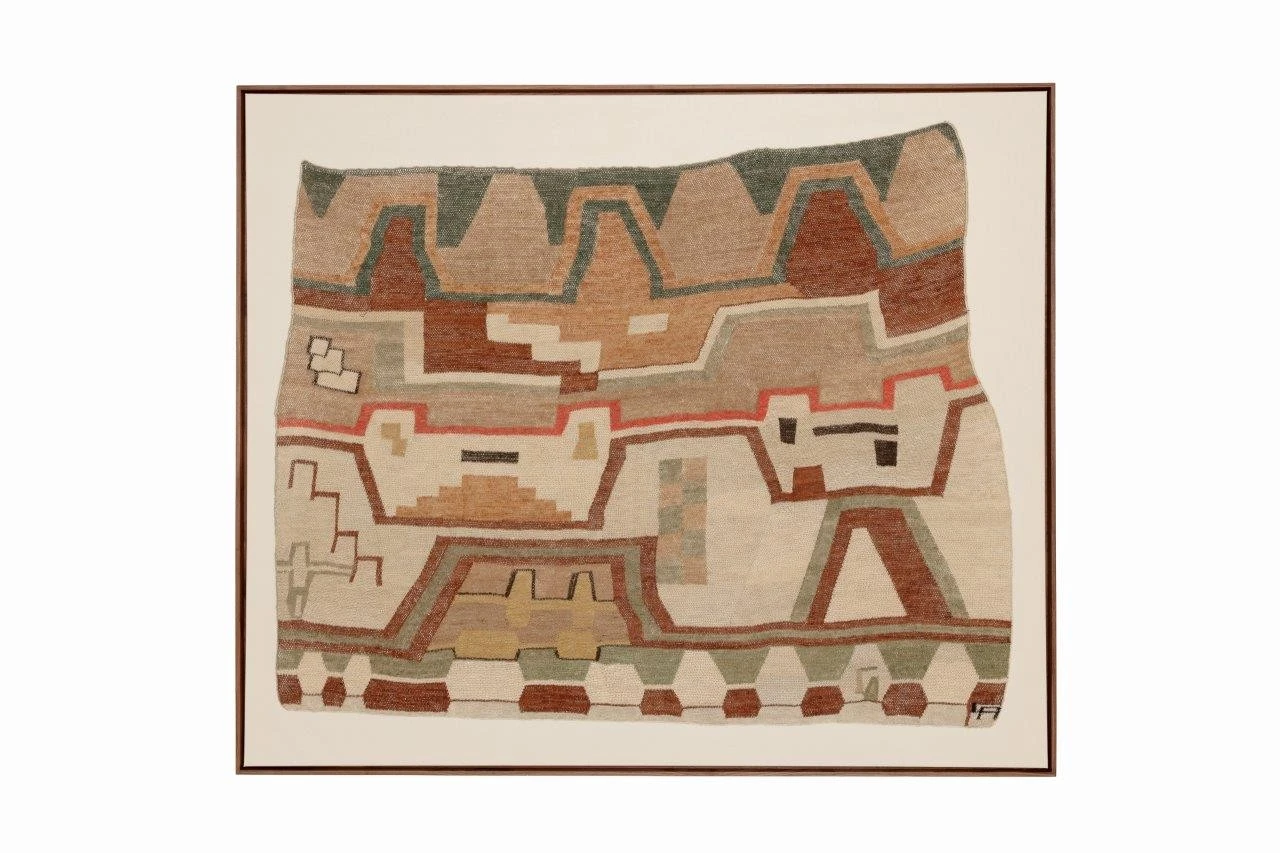
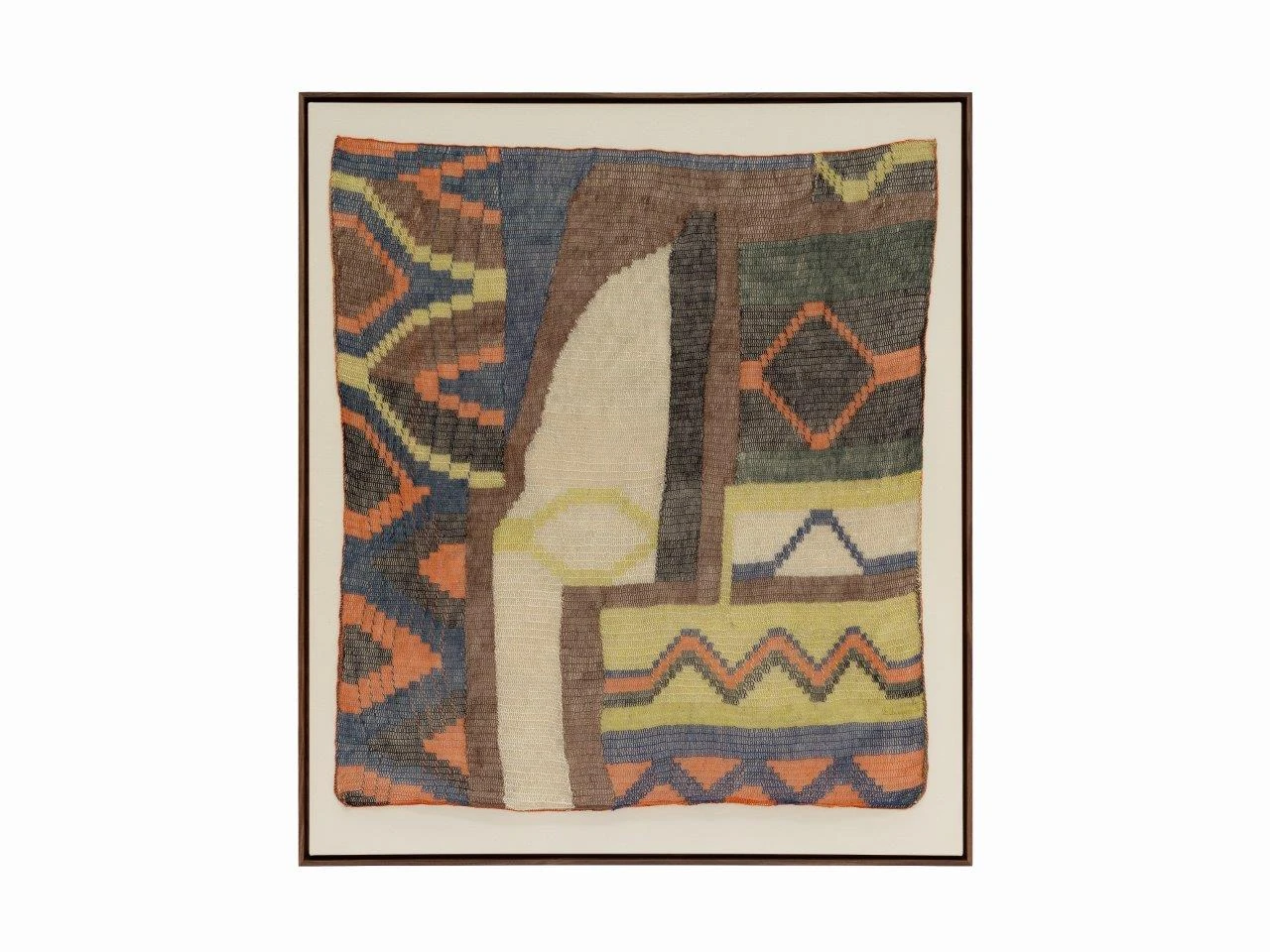
Every piece is woven from chaguar fibers, a bromeliad native to the Gran Chaco — South America’s largest biome after the Amazon. The technique derives from making yica bags, a central object in Wichí culture: square pouches with geometric patterns representing local fauna and flora, including armadillo ears, owl eyes, and turtle shells.
Alarcón & Silät have transformed both the palette and the process. Traditional Wichí textiles relied on earthy tones; the collective introduced synthetic dyes, reaching vivid oranges and fuchsias. More significantly, while weaving had always been a solitary practice, Silät members developed techniques that allow multiple women to work on a single piece simultaneously, layering voices and patterns into one textile.
Mythology, Stars, and Sacred Territory
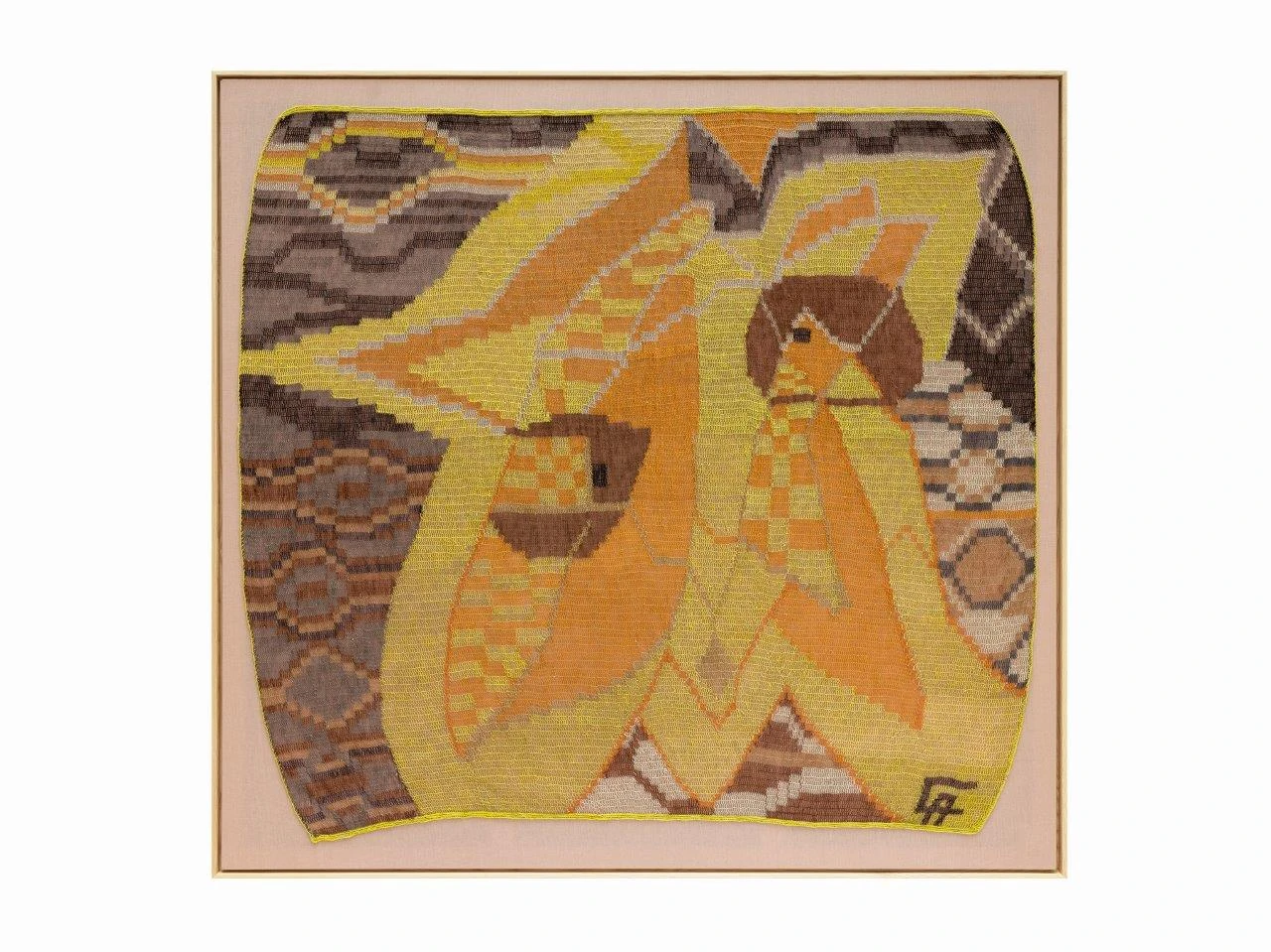
Wichí mythology runs through the exhibition. In Kates tsinhay — Star Women (2023), Claudia Alarcón draws on the myth of women who once lived in the sky, descending each night by chaguar threads they had woven themselves to steal fish from men. When the threads were cut, they remained on Earth. The work weaves together ancestral geometry and figurative elements — stars, moons, and glittering skies.
“I recover legends and stories of our people. I feel there is a lot of work to be revived. I think about how to recover it, because it is something that perhaps cannot be said out loud, we cannot shout it. But the textile also speaks. There are those who can understand or feel this in the weave. I realized that, although we weave in silence, everything is said in the textile.” — Claudia Alarcón
The sacred Wichí homeland, called tayhi, also shapes the works. Kyelhkyup — Autumn (2023), from MASP’s own collection, captures in abstraction the shifts of light, color, and texture across seasons in the flat, semi-arid landscape of the Chaco.
A Chorus of Over a Hundred Voices
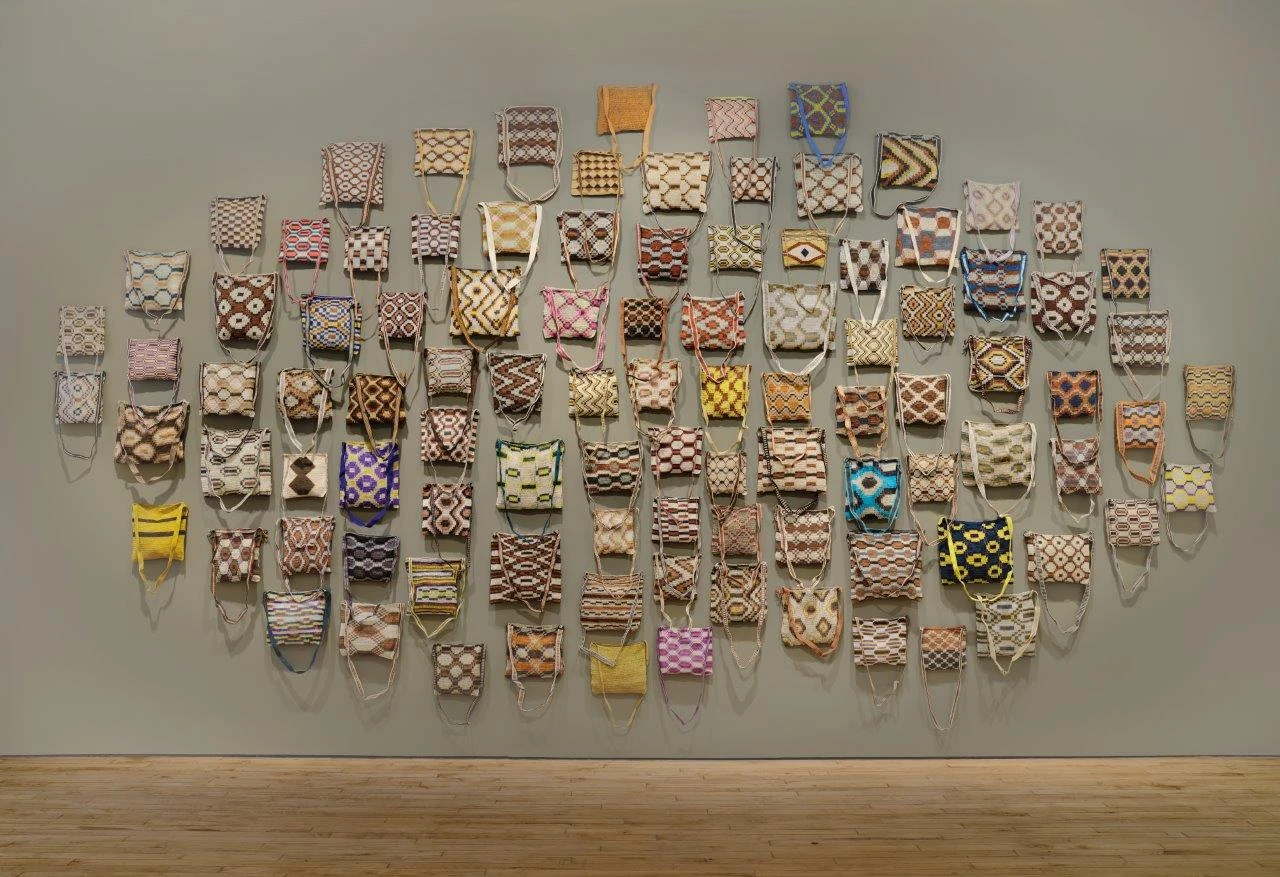
The exhibition’s centerpiece is the installation Hilulis ta llhaiematwek — A Chorus of Yicas (2024–25): more than a hundred bags, each made by a different Silät member. Personal choices of color and pattern emerge individually, while the ensemble asserts the collective’s political force — a direct critique of the devaluation of ancestral knowledge and the precarious labor conditions of Indigenous weavers.
Another standout is N’äyhay wet layikis — Paths and Scars (2025), woven to mark Argentina’s Independence Day on July 9 — a textile act of denunciation against the historical state violence directed at Indigenous peoples.
“The textiles have become banners of struggle, standards that carry messages, histories, and give voice to the women of the community.” — Laura Cosendey, assistant curator, MASP
Venice Biennale and Bilingual Catalog
Claudia Alarcón & Silät’s works were featured at the 2024 Venice Biennale, bringing global recognition to the collective. Silät — a word meaning message in wichí lhämtes — was formed in 2023 through workshops in the communities of La Puntana and Alto de la Sierra.
A bilingual catalog (Portuguese and English) will be published, edited by Adriano Pedrosa and Laura Cosendey, with essays by Andrei Fernández, Lynne Cooke, Natalia Brizuela, and Sofia Gotti, plus an original interview with Alarcón. The MASP Store will also offer special edition products tied to the exhibition, including postcards, magnets, and bookmarks.
Visitor Information
Claudia Alarcón & Silät: living weaving
Curators: Adriano Pedrosa, artistic director, MASP, and Laura Cosendey, assistant curator, MASP
Dates: March 6 – August 2, 2026
Location: Pietro Maria Bardi Building, 3rd floor
MASP — Museu de Arte de São Paulo Assis Chateaubriand Avenida Paulista, 1578 – Bela Vista, São Paulo, SP 01310-200 Phone: +55 (11) 3149-5959
Hours: Tuesdays: free admission, 10am–8pm (last entry 7pm) | Wednesday–Thursday: 10am–6pm (last entry 5pm) | Fridays: 10am–9pm (free admission 6pm–8:30pm) | Weekends: 10am–6pm (last entry 5pm) | Closed Mondays
Tickets: BRL 85 (full price) | BRL 42 (half price)
Online booking required: masp.org.br/ingressos
Accessibility: Free admission for visitors with disabilities and one companion. Guided tours in Brazilian Sign Language (Libras) or audio-described visits available on request at acessibilidade@masp.org.br
Supported by: Brazilian Federal Culture Incentive Law, with support from Renner
Official website: https://www.masp.org.br
Photo: Eduardo Ortega
Gostou do nosso conteúdo?
Seu apoio faz toda a diferença para continuarmos produzindo material de qualidade! Se você apreciou o post, deixe seu comentário, compartilhe com seus amigos. Sua ajuda é fundamental para que possamos seguir em frente! 😊
