City History Museum hosts collective show transforming verses by the poet from Paraná into visual reflections on memory, body, and permanence.

Starting March 1, the Rio de Janeiro City History Museum in Gávea opens its doors to Espaçotempo (Spacetime), a collective exhibition bringing together 32 contemporary artists around one question: how do we experience time? Inspired by the poem O mínimo do máximo (The Minimum of the Maximum) by Paulo Leminski (1944–1989), the show curated by Isabel Sanson Portella runs through May 3, 2026.
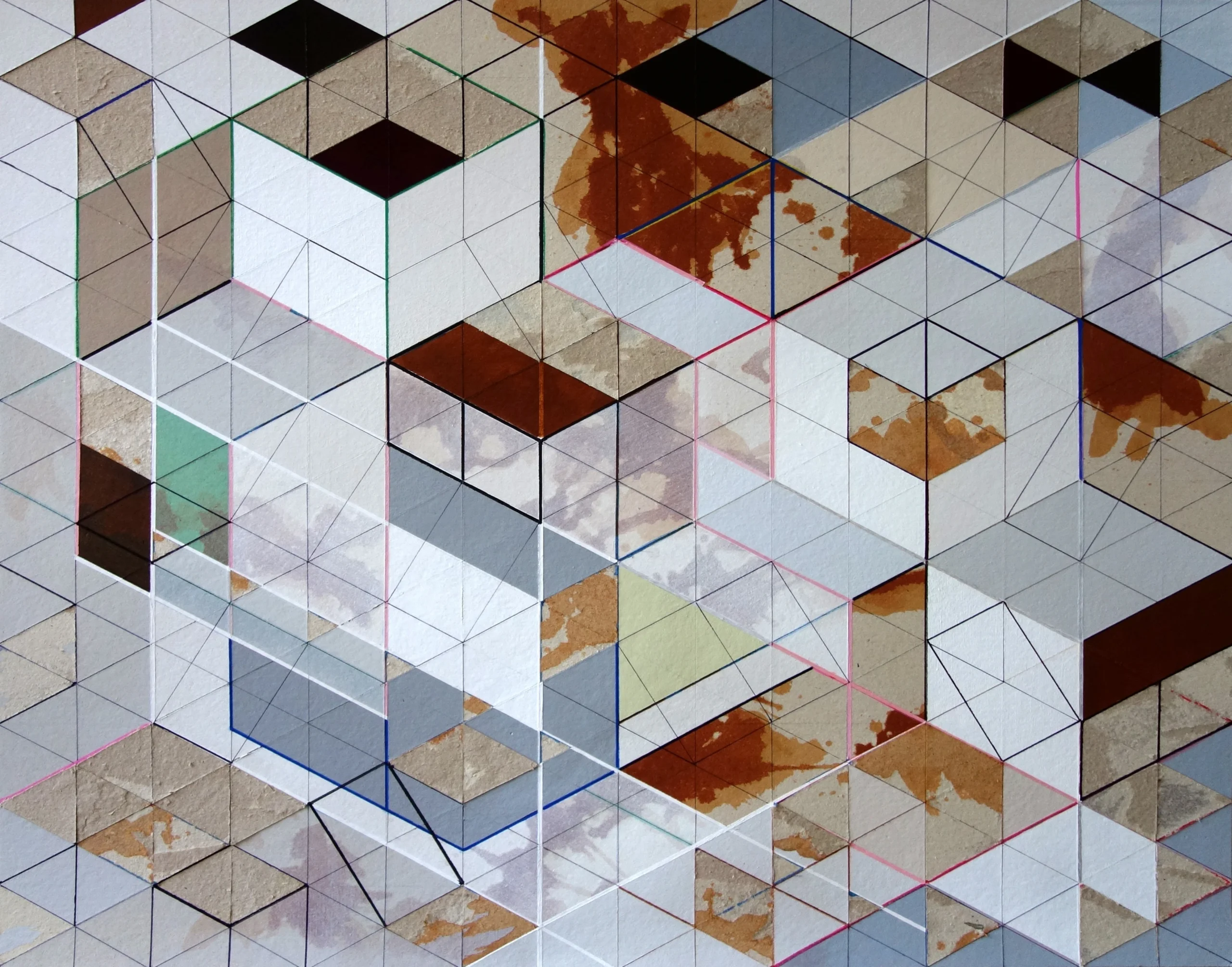
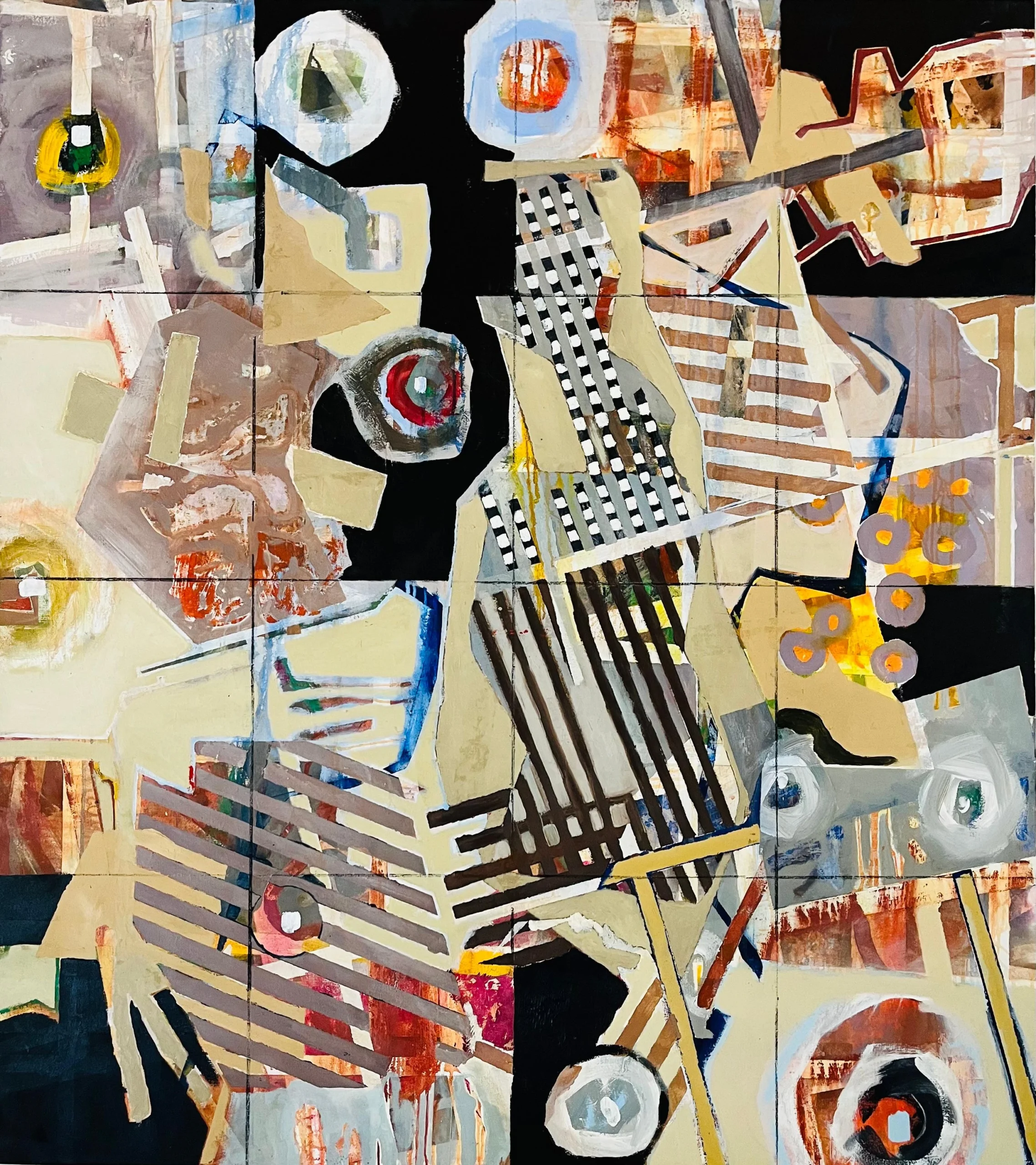
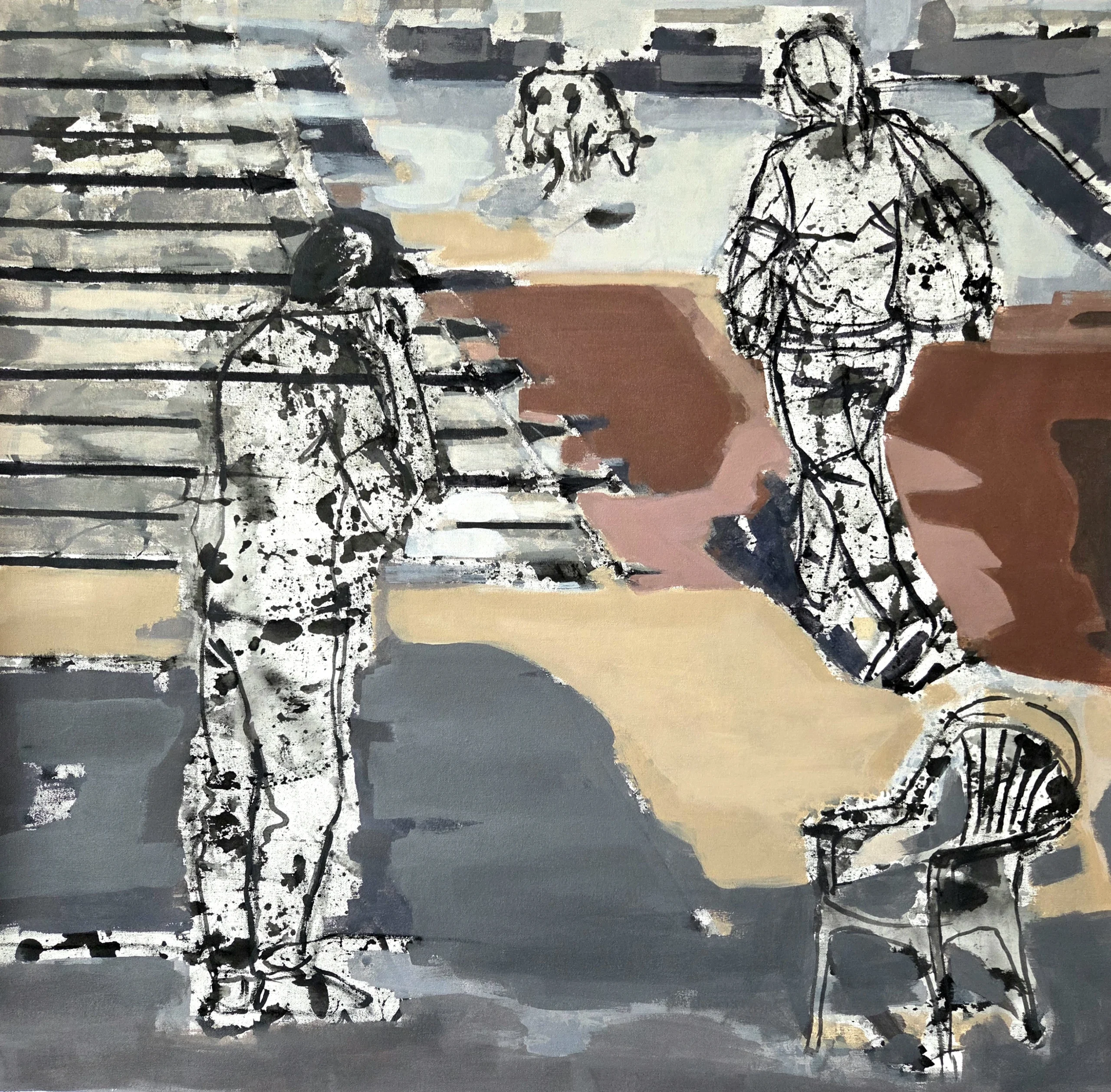
Names such as Anna Bella Geiger, Panmela Castro, Raul Mourão, and Yoko Nishio present works that span painting, sculpture, photography, video, embroidery, screen printing, and interactive actions. The ensemble articulates gestures, processes, and layers that dialogue with permanence and transformation.
Between memory and imagination
The proposal moves away from linear readings of time. Instead of chronology, the curation privileges subjective experiences, intimate memories, and personal crossings. Leminski’s poem functions as a sensitive trigger, opening resonances between word and image.
Espaçotempo is born from the desire to think about time beyond chronology. What matters less is sequence and more the experience, what remains, returns, or transforms in the relationship between memory, body, and imagination Isabel Sanson Portella, curator
Participating artists include Ana Carolina Videira, Ana Herter, Ana Zveibil, Anna Bella Geiger, Antonio Bokel, Aruane Garzedin, Ashley Hamilton, Breno Bulus, Cláudia Lyrio, Esther Bonder, Fernanda Sattamini, Flavia Fabbriziani, Giba Gomes, Gláucia Crispino, Heloísa Madragoa, Jaime Acioli, Liane Roditi, Manoel Novello, Manu Gomez, Maristela Ribeiro, Marlene Stamm, Michelle Rosset, Mônica Pougy, Nathan Braga, Panmela Castro, Patrizia D’Angello, Pedro Carneiro, Raul Mourão, Renata Adler, Stella Mariz, Vicente de Melo e Aldonis Nino, Virgínia Di Lauro, and Yoko Nishio. The group represents states such as Bahia, Amapá, São Paulo, Rio de Janeiro, and the United States.
Diversity of perspectives
The range of mediums — loom, printmaking, object, drawing — reveals the multiplicity of contemporary artistic procedures. Each work carries personal histories, affections, and singular ways of being in the world, building a plural field of research.
The exhibition is built on diversity of perspectives and the understanding that each experience of time is unique, crossed by personal histories, affections, and singular ways of being in the world Isabel Sanson Portella
By bringing together such distinct poetics, Espaçotempo proposes that time be perceived as living matter — something that folds, accumulates, and reinvents itself in the encounter between artwork, space, and audience.
Information
Exhibition: Espaçotempo
Curator: Isabel Sanson Portella
Opening: March 1, 2026, 10 AM–4 PM
Duration: through May 3, 2026
Venue: Rio de Janeiro City History Museum
Address: Est. Santa Marinha, s/nº – Gávea, Rio de Janeiro – RJ
Exhibition space: 3rd floor of the Exhibition Mansion
Hours: Tuesday to Sunday, 9 AM–4 PM
Photo: Press Release