
Brazil projects billions in entertainment by 2026, yet peripheral artists still lack access. In Salvador, the Boca de Brasa program is changing that.
A booming industry with unequal access
Brazil’s entertainment and media industry is projected to reach US$ 39.9 billion in 2026, according to PwC Brazil’s “Global Entertainment and Media Outlook 2022–2026.” The sector — spanning advertising, gaming, music, performing arts, and print — is expected to grow at a compound annual rate of 5.7%.
Despite these figures, access to cultural production chains remains concentrated. Artists from low-income communities face structural barriers that limit their entry into distribution networks, professional training, and visibility opportunities.
Favelas generate R$300B, but artists wait
Brazil’s favelas generate an estimated R$ 300 billion in economic activity, according to the Instituto Data Favela. Yet the arts remain a deferred dream for many residents. The institute’s “Sonhos da Favela 2026” report reveals that 24% of favela residents want to “work doing what they love” — but the path to professionalization is blocked by deep-rooted inequalities.
For most of these artists, the missing links are the same: studios, mentorship, professional networks, and institutional support.
ODILLON: from Salvador’s periphery to the national stage
Bahian multi-artist ODILLON, 34, knows this reality firsthand. Raised in the outskirts of Salvador, he became the first rapper to win the Best Vocal Performer award at the Educadora FM Music Festival — a milestone he credits to his involvement with the Boca de Brasa program.
“The turning point in my process came after Boca de Brasa, which brought a new professional maturity to how I approach art and culture. Now I have the tools to handle the everyday, bureaucratic, and organizational demands of an artistic career.” — ODILLON, multi-artist
Boca de Brasa: public policy as a cultural launchpad
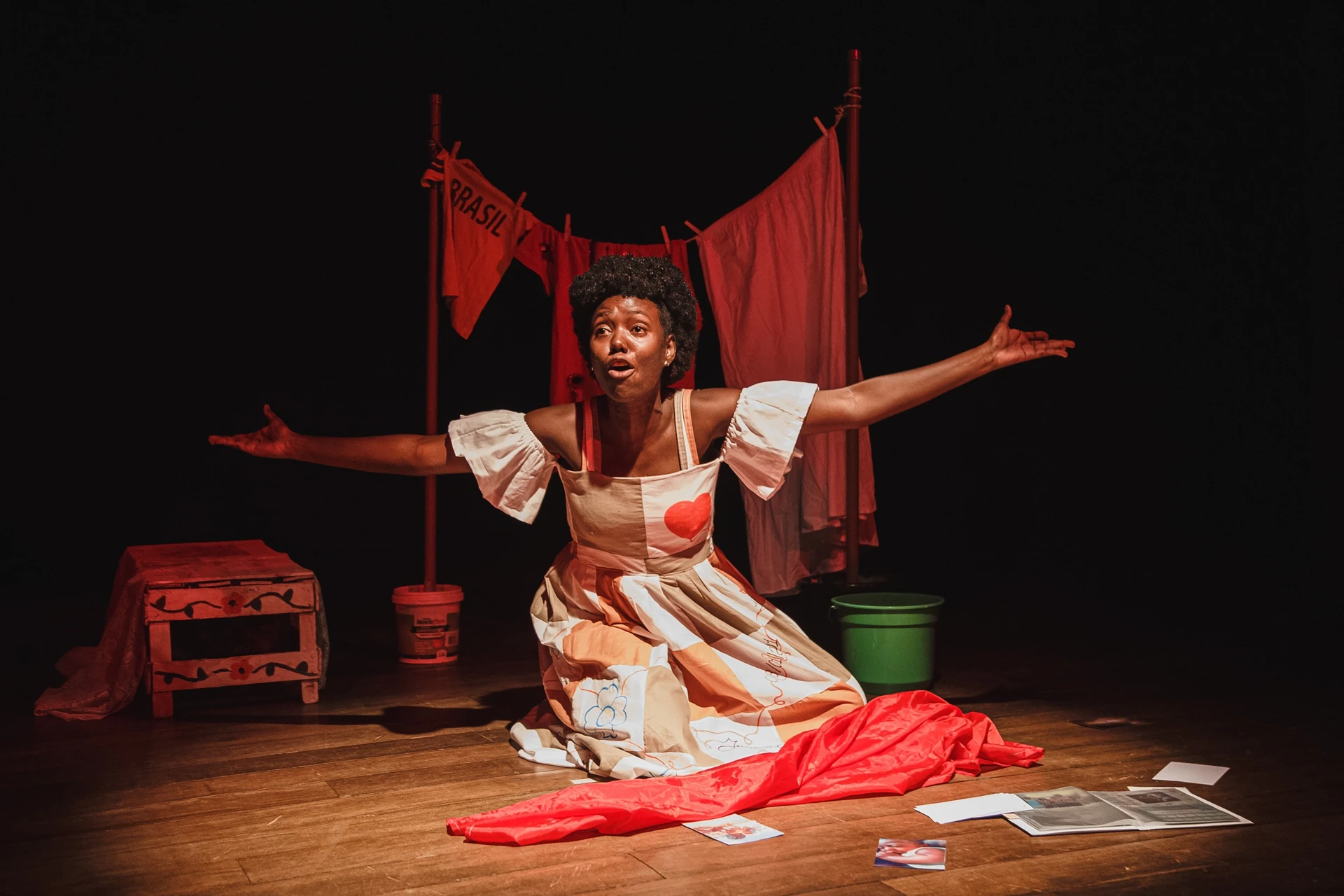
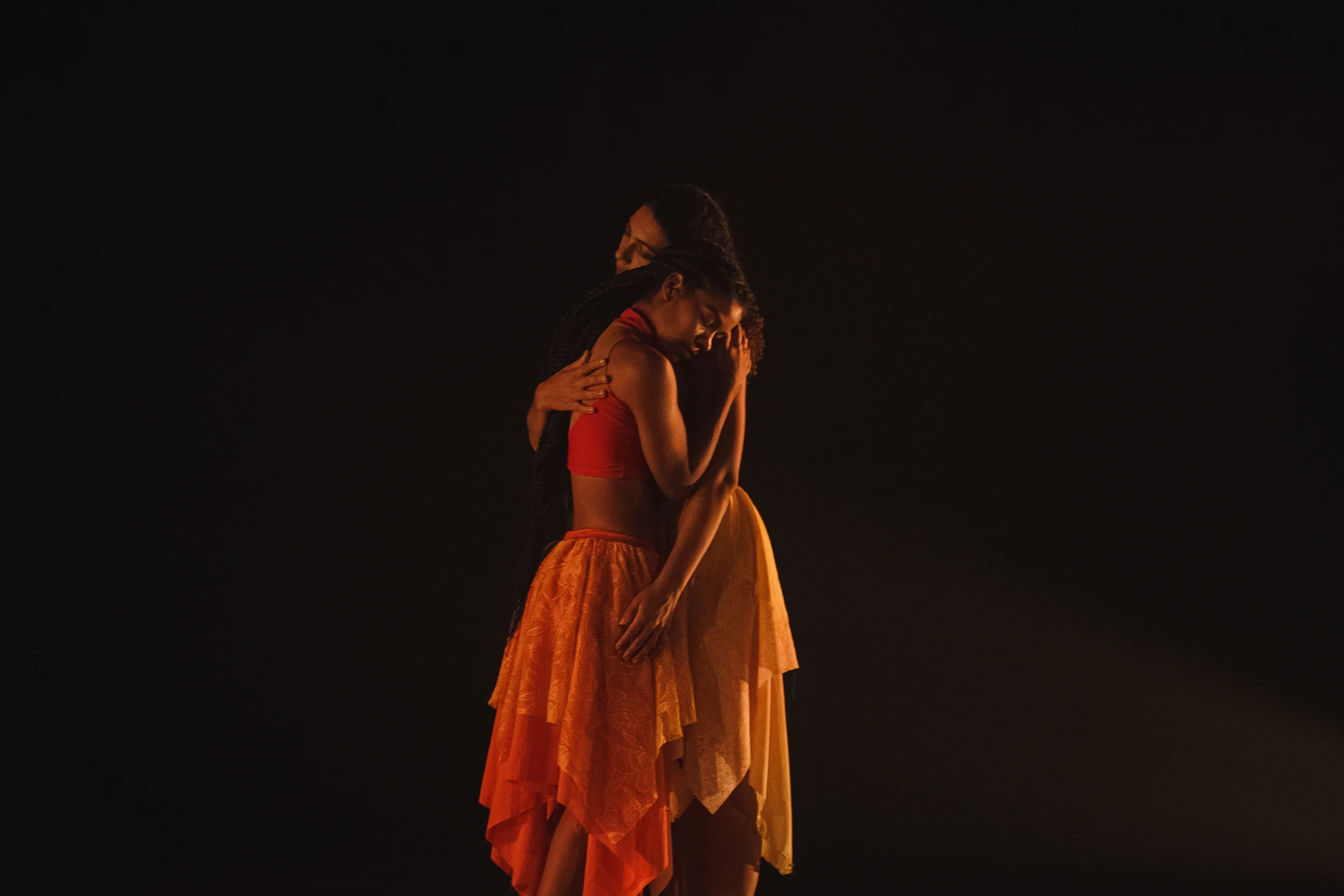
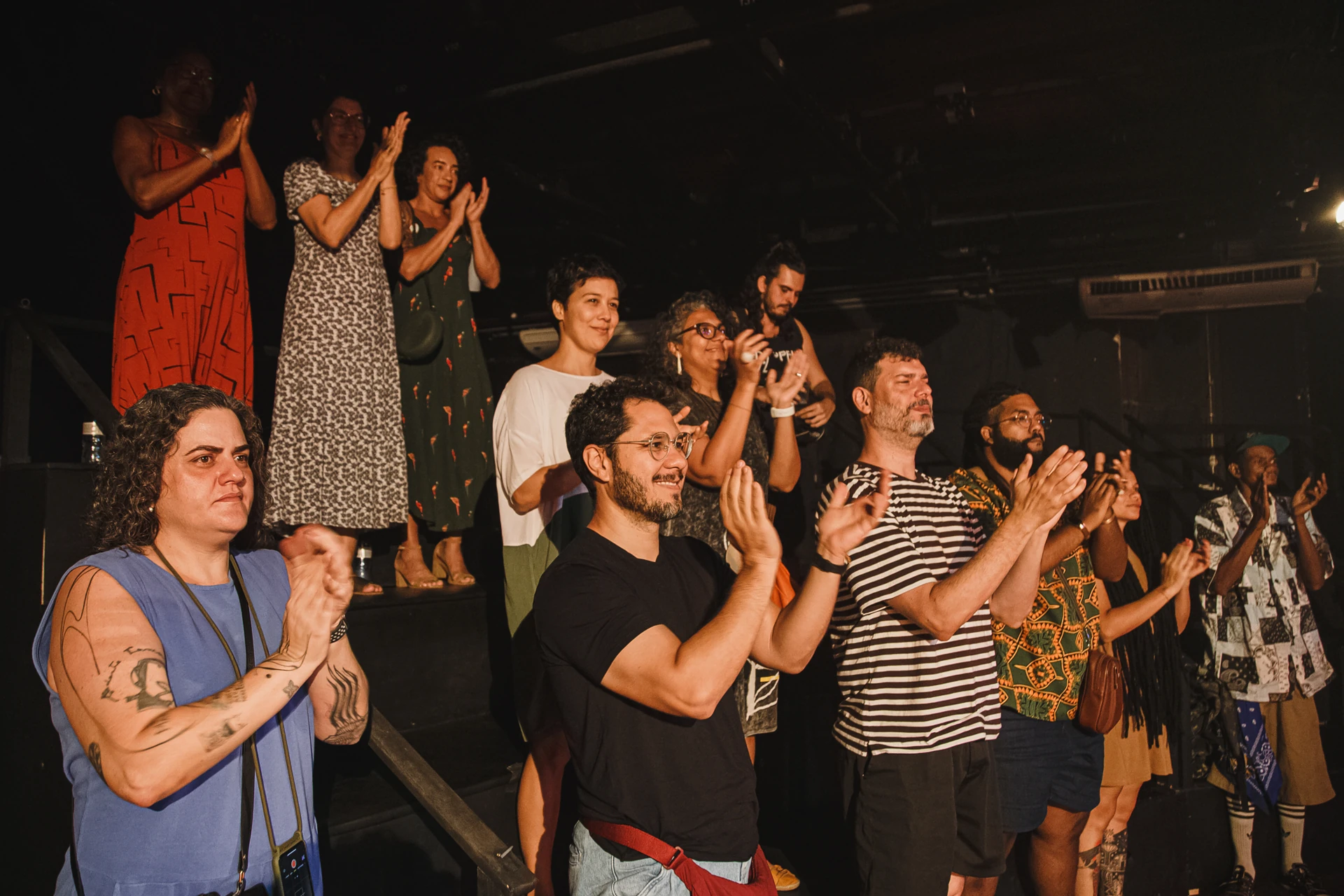
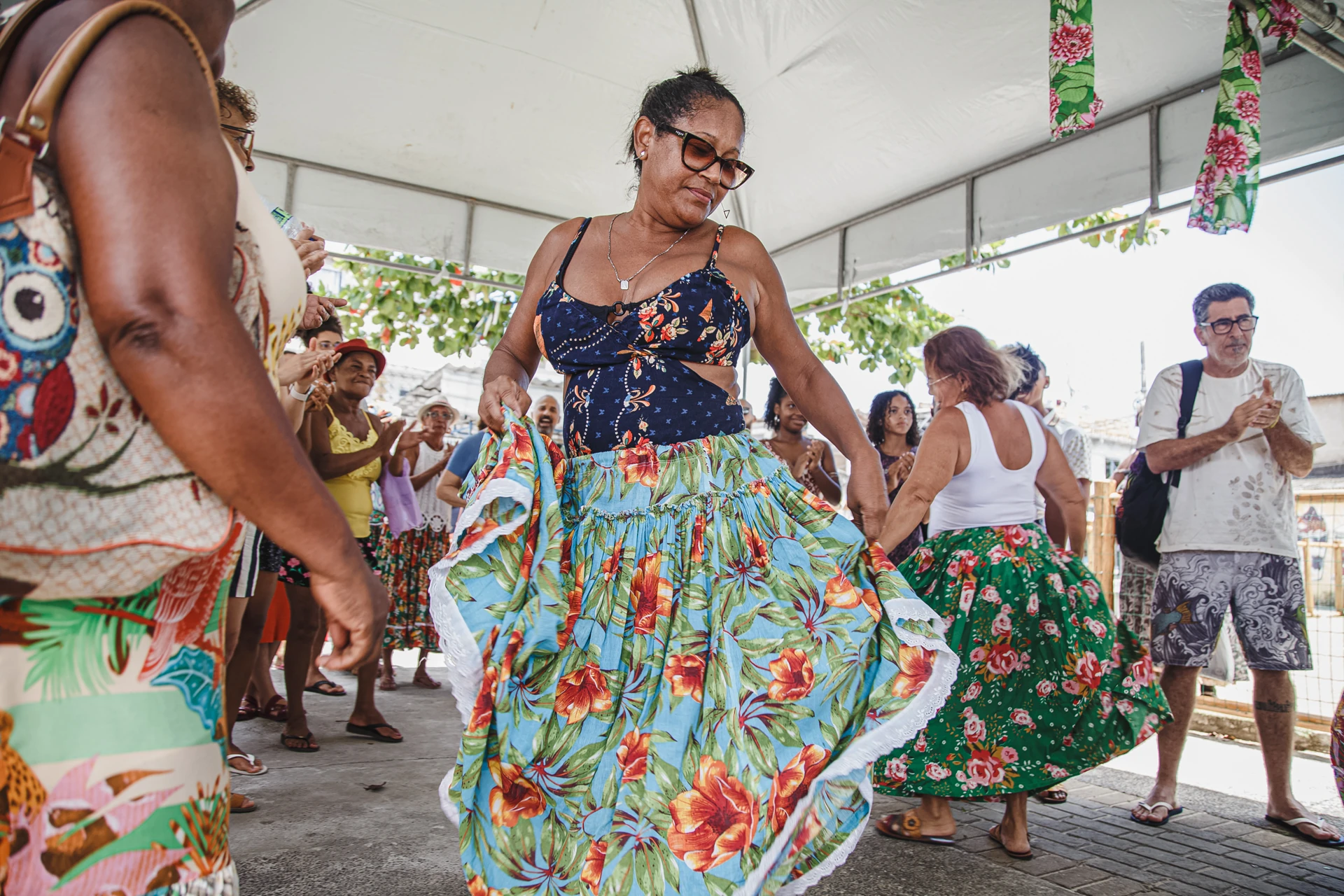
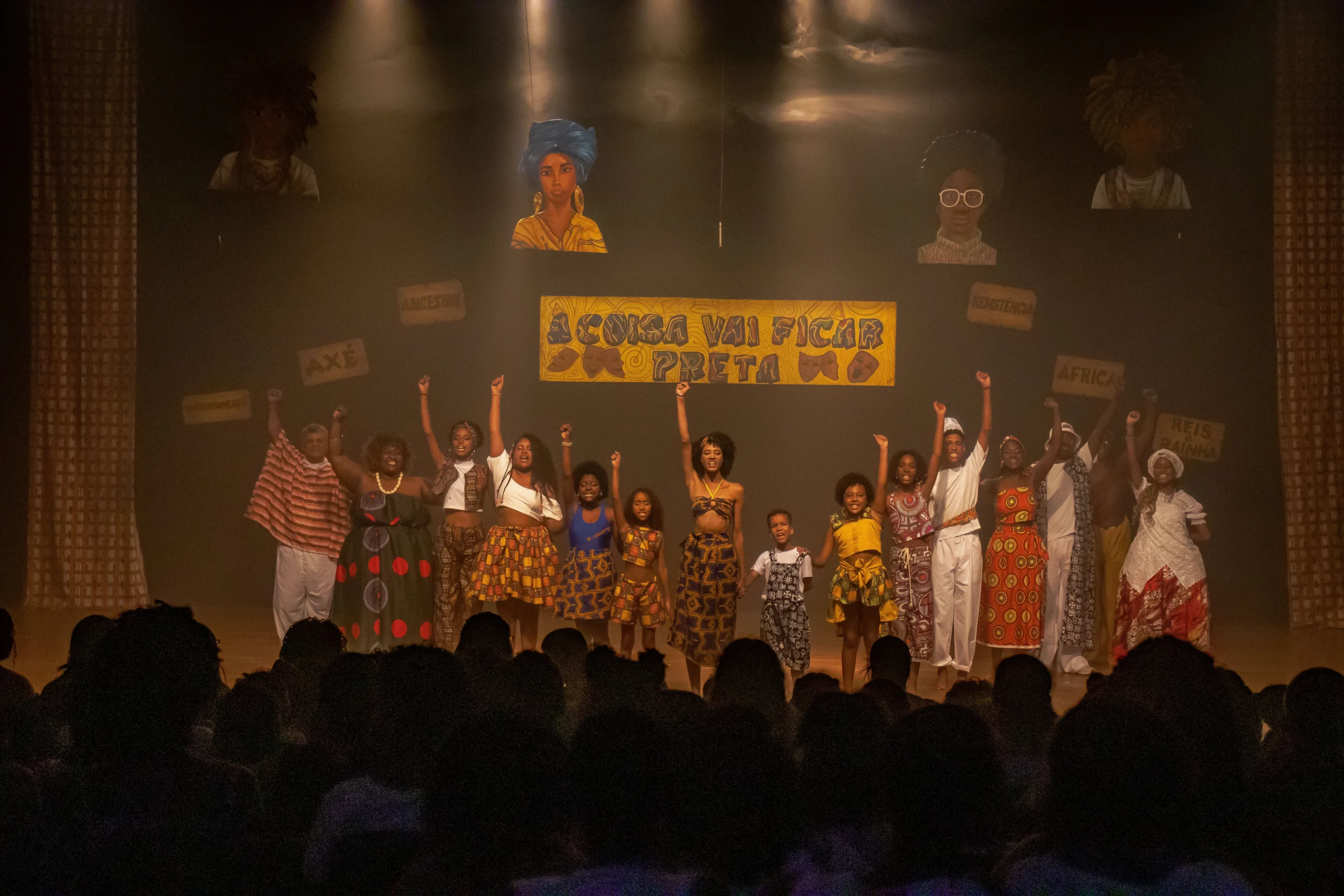
Run by the Gregório de Mattos Foundation (FGM) under Salvador’s city government, the Boca de Brasa program connects more than 2,000 cultural agents across the city’s neighborhoods. In 2026, it certified 500 new artists through its Polos Criativos Boca de Brasa hubs, reinforcing its role as the backbone of Salvador’s grassroots cultural ecosystem.
Among the talents the program has elevated: Nega Fyah, author of the book “Fyah do Ódio ao Amor”; Andrezza Santos, winner of the 23rd Educadora FM Music Festival; and the Jaé Theater Group, a collective of roughly 40 performers ranging from age 7 to 80.
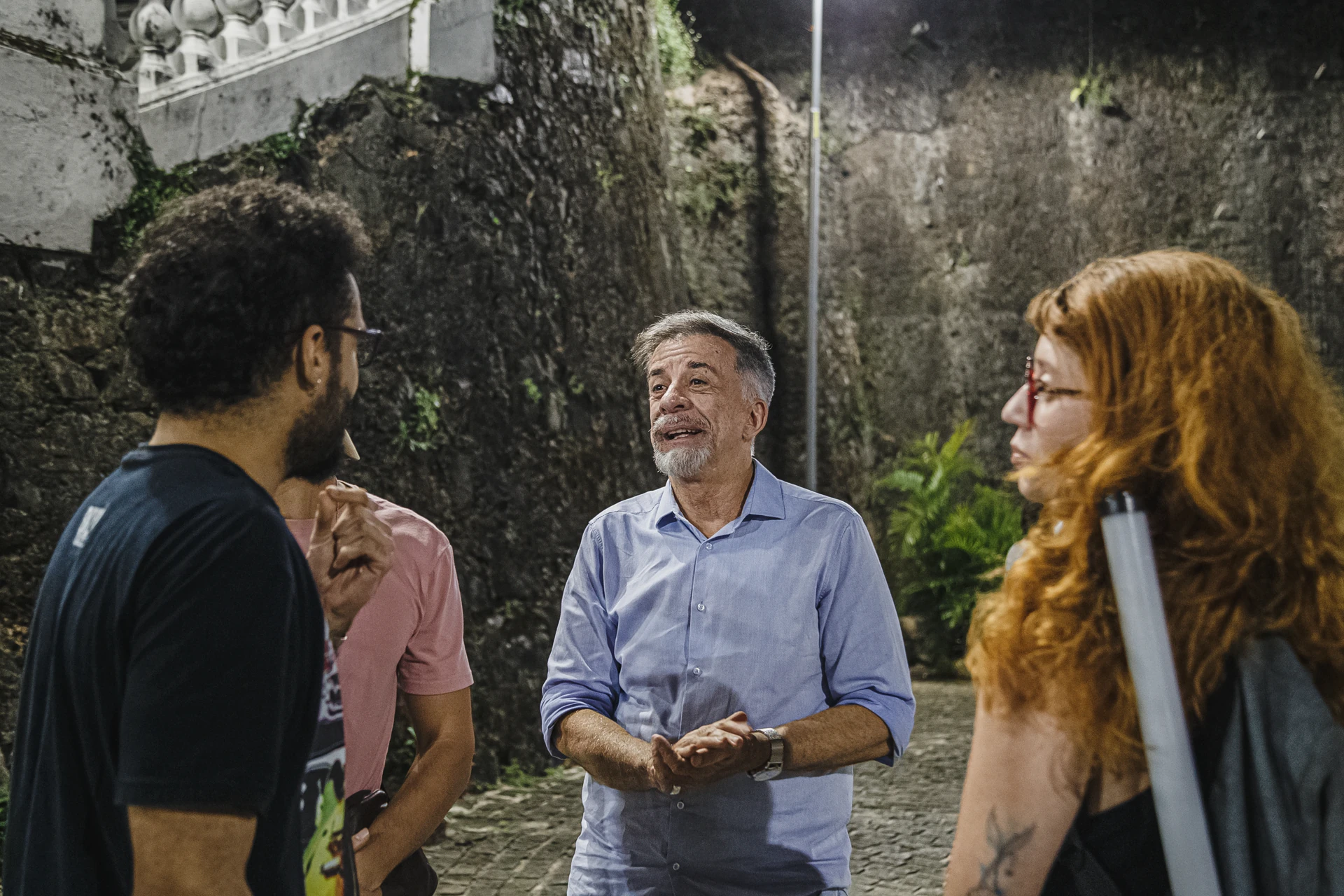
“Boca de Brasa aims to strengthen peripheral artists by expanding their visibility and recognizing that Salvador’s identity and major cultural movements are born there. The program doesn’t reinvent the wheel — it identifies, supports, and creates the conditions for these artists to show their work in Salvador, in Bahia, across Brazil, and around the world.” — Fernando Guerreiro, President of the Gregório de Mattos Foundation
The Boca de Brasa Movement has become one of Salvador’s most prominent cultural platforms, projecting local talent onto regional and national stages.
Event Info
- Program: Boca de Brasa
- Organizer: Gregório de Mattos Foundation (FGM) — City of Salvador
- Artists certified in 2026: 500, through the Polos Criativos Boca de Brasa
- Cultural agents mobilized: over 2,000
- Data sources: PwC Brazil — Global Entertainment and Media Outlook 2022–2026; Instituto Data Favela — Sonhos da Favela 2026
Photo: Press Release


Gostou do nosso conteúdo?
Seu apoio faz toda a diferença para continuarmos produzindo material de qualidade! Se você apreciou o post, deixe seu comentário, compartilhe com seus amigos. Sua ajuda é fundamental para que possamos seguir em frente! 😊