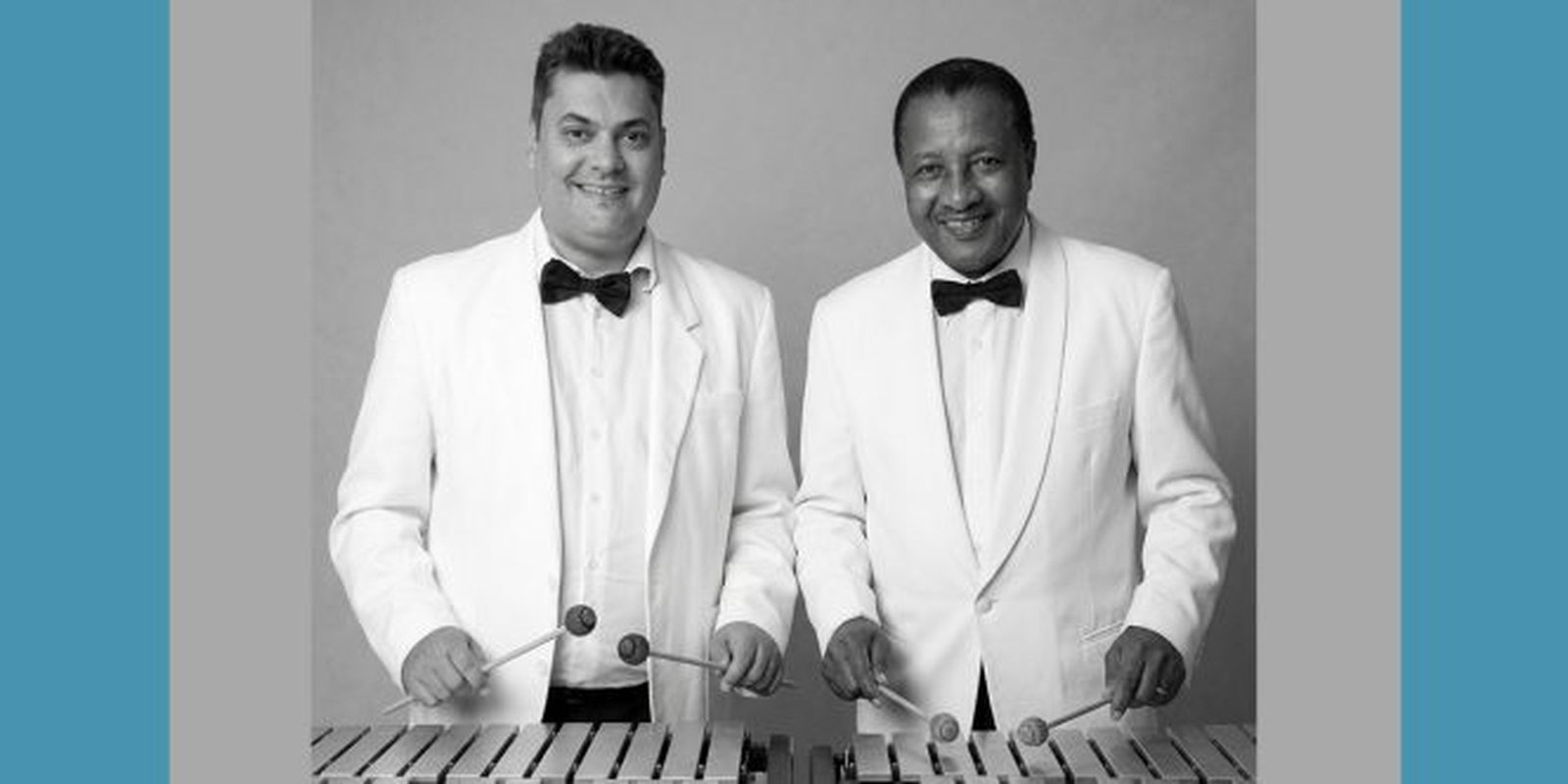
Mesquita do Vibraphone takes center stage in a Sesc SP course led by Ricardo Valverde, blending research, memory and guided listening.

Sesc SP’s Centro de Pesquisa e Formação will host Alfredo de Souza, o Mesquita do Vibrafone, a program focused on the pioneering role of the musician in shaping the language of the choro vibraphone. Developed from research conducted within UFBA’s Professional Master’s in Music, the activity brings renewed attention to a figure described as essential to the history of popular vibraphone in Brazil.
Rather than simply revisiting a biography, the event connects academic work, musical practice and cultural memory. As a result, the audience is invited to reflect on tradition, instrumental language and creative processes within Brazilian choro.
Ricardo Valverde’s path
Ricardo Valverde leads the session with a career closely tied to expanding the presence of the vibraphone in Brazilian music. He is a musician, vibraphonist, percussionist, composer and producer, and his academic background includes a master’s degree from UFBA.
His discography reflects that long-term commitment, with releases such as 3 em 3×4, Teclas no Choro, Trios, Xirê de Vibrafone, Ensemble Choro Erudito and Voz + Vibrafone. He also won the 2019 Prêmio Profissionais da Música as best choro artist, underscoring his standing in Brazil’s instrumental scene.
What the course explores
The program is organized around three main axes. It presents the researcher’s artistic journey and investigative path, examines the historical and musical aspects of Mesquita, and includes guided listening sessions of recordings made by the artist.
That structure gives the event a strong public dimension. Instead of remaining confined to academic language, the research is transformed into a listening-based experience that helps audiences understand how the vibraphone entered and shaped choro.
Why Mesquita matters
In the official program, Alfredo de Souza, known as Mesquita do Vibrafone, is described as a fundamental figure in building the instrument’s language within Brazilian choro. Bringing his legacy back into discussion also opens space for a broader conversation about musical memory and the artists who shaped Brazil’s popular traditions.
That makes the course relevant beyond specialists. Revisiting Mesquita’s path helps clarify how choro absorbed new timbres and renewed its instrumental identity over time.
Event Info
- Program: Alfredo de Souza, o Mesquita do Vibrafone: pioneirismo e contribuição para a linguagem do vibrafone chorão