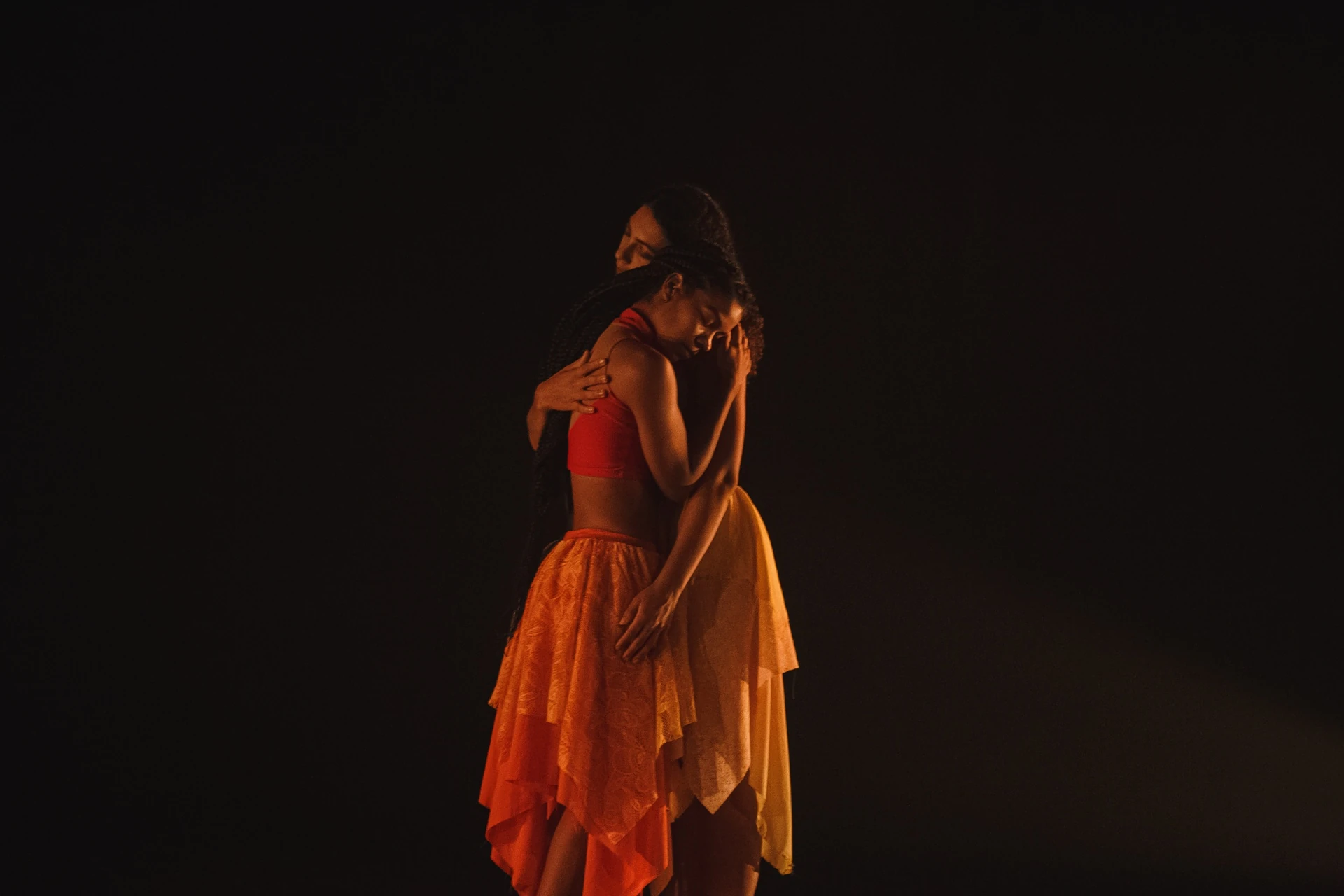
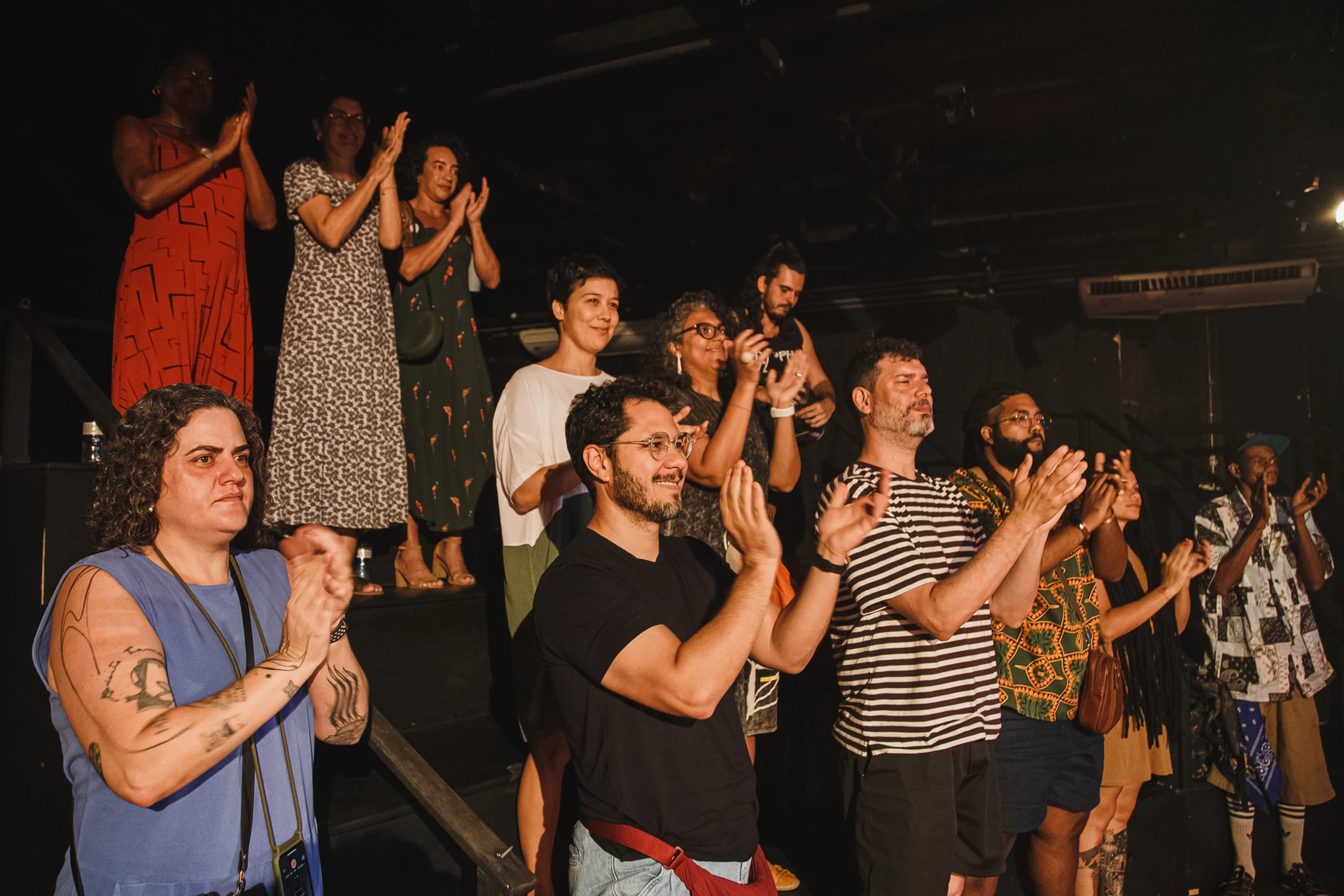
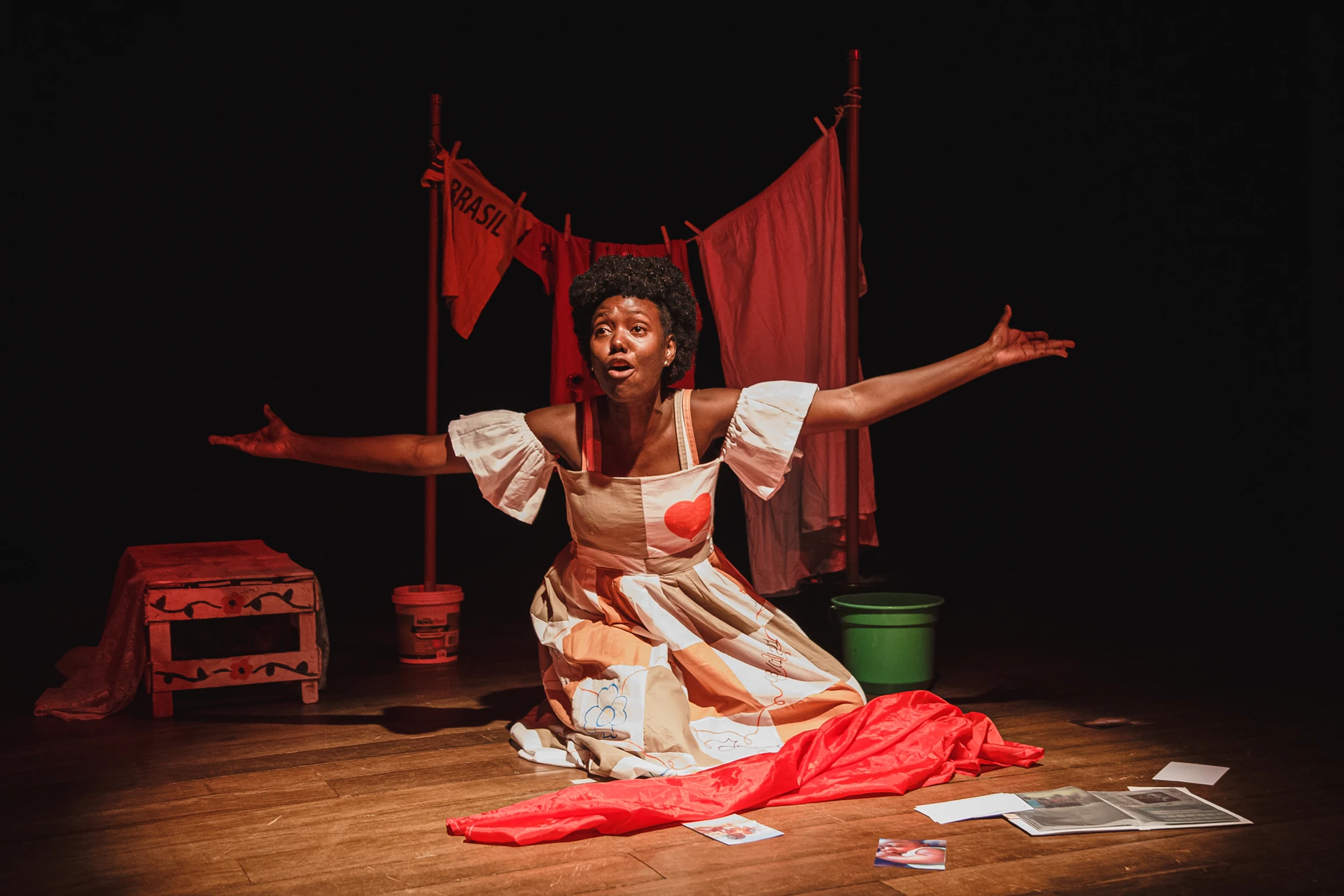
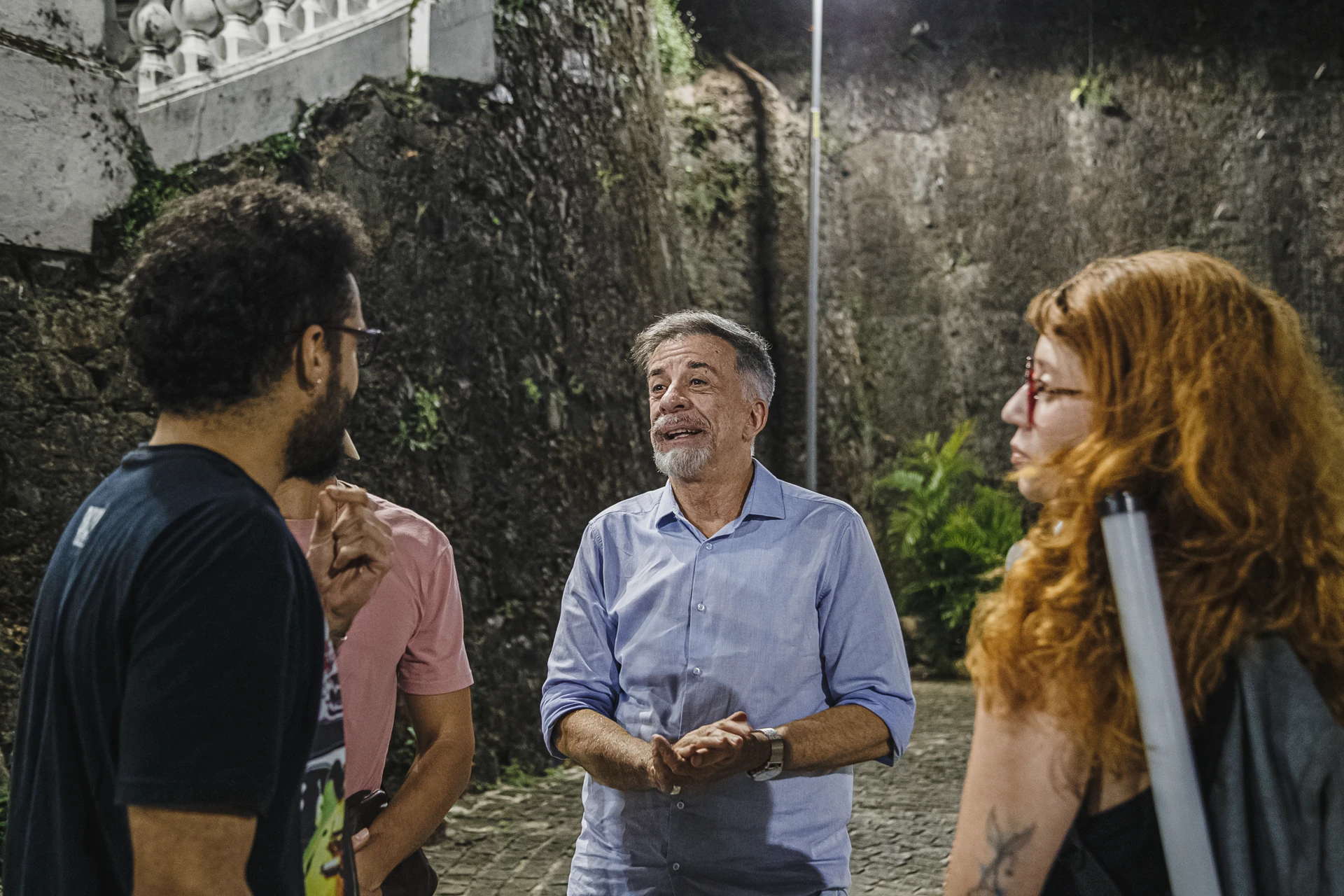
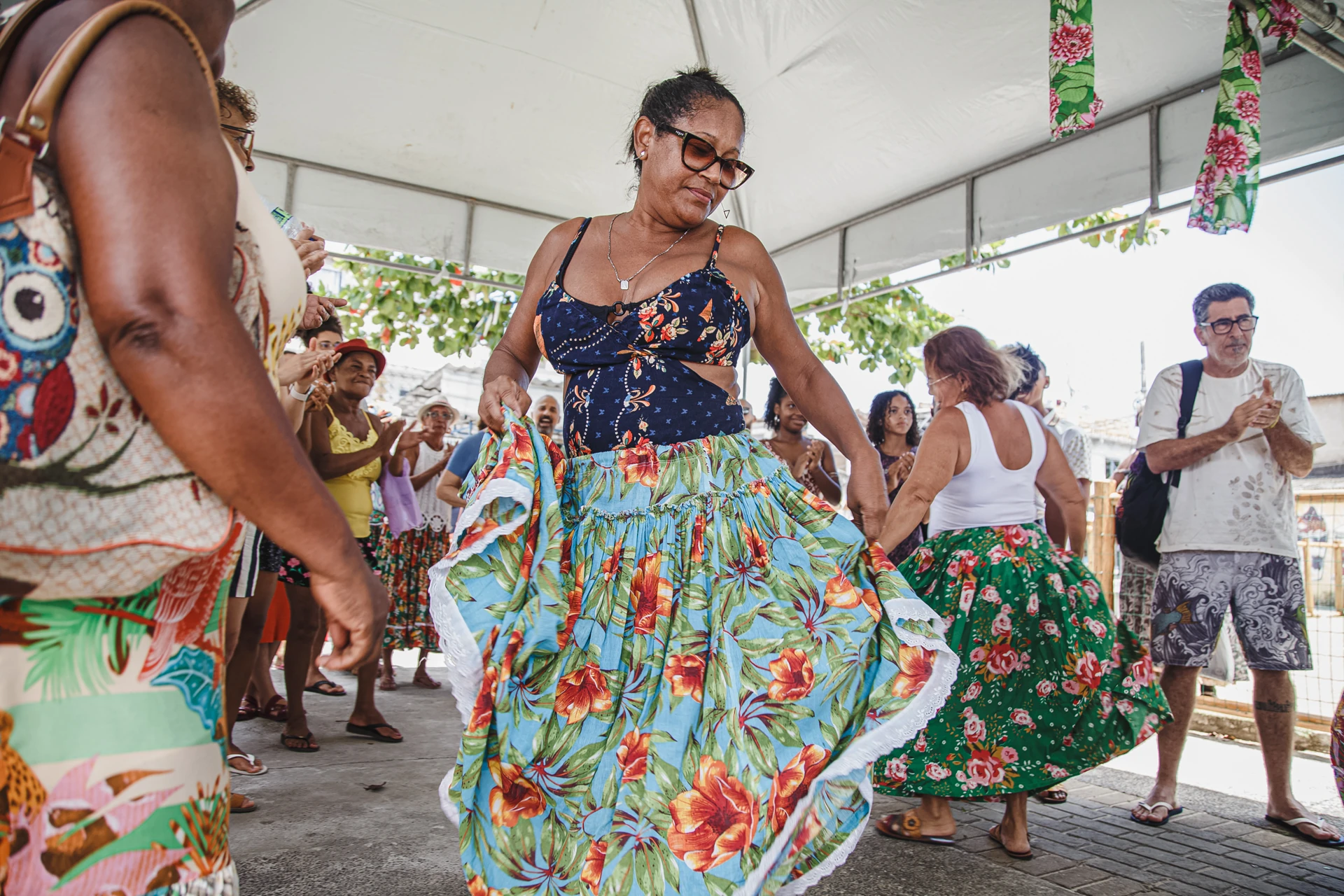
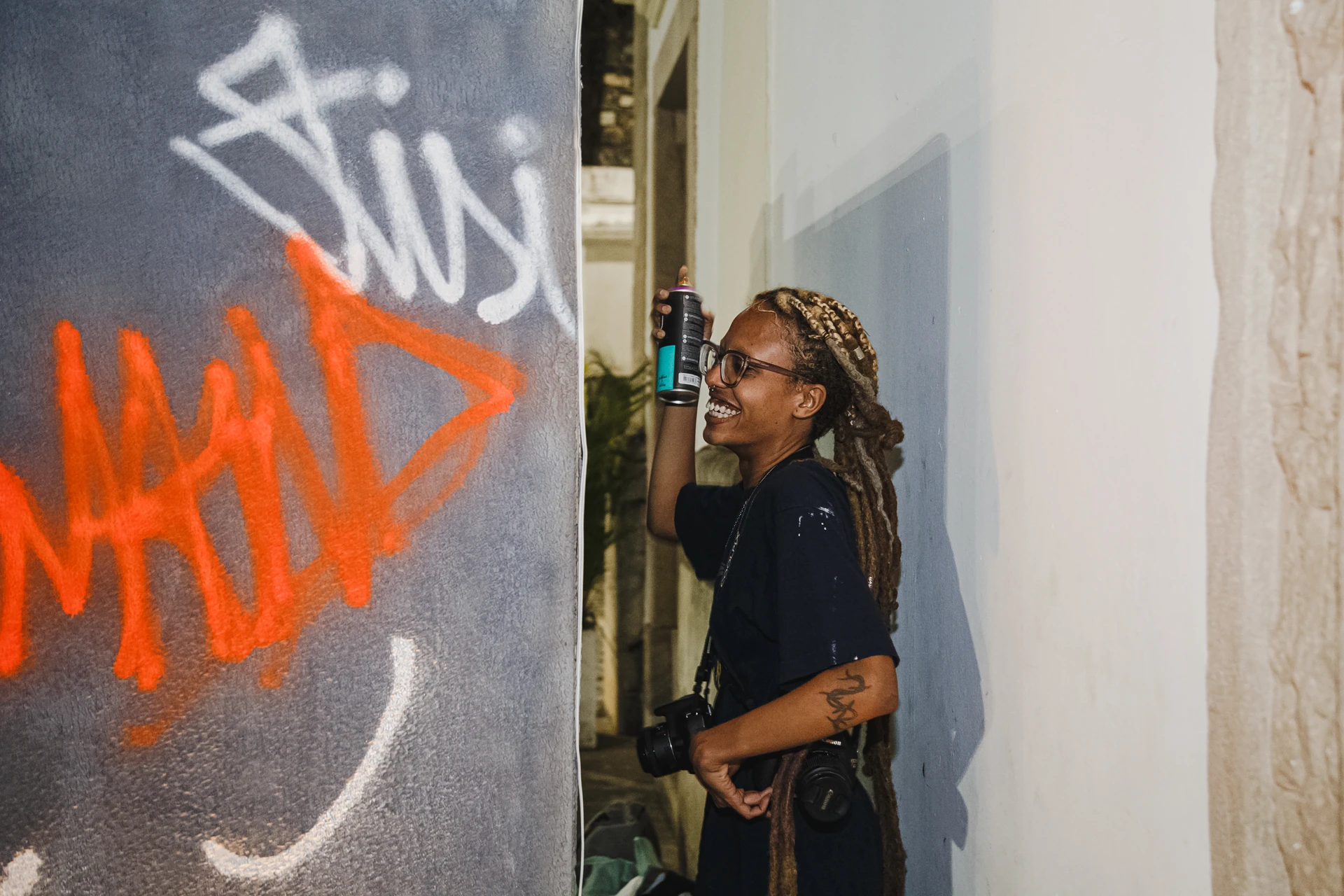
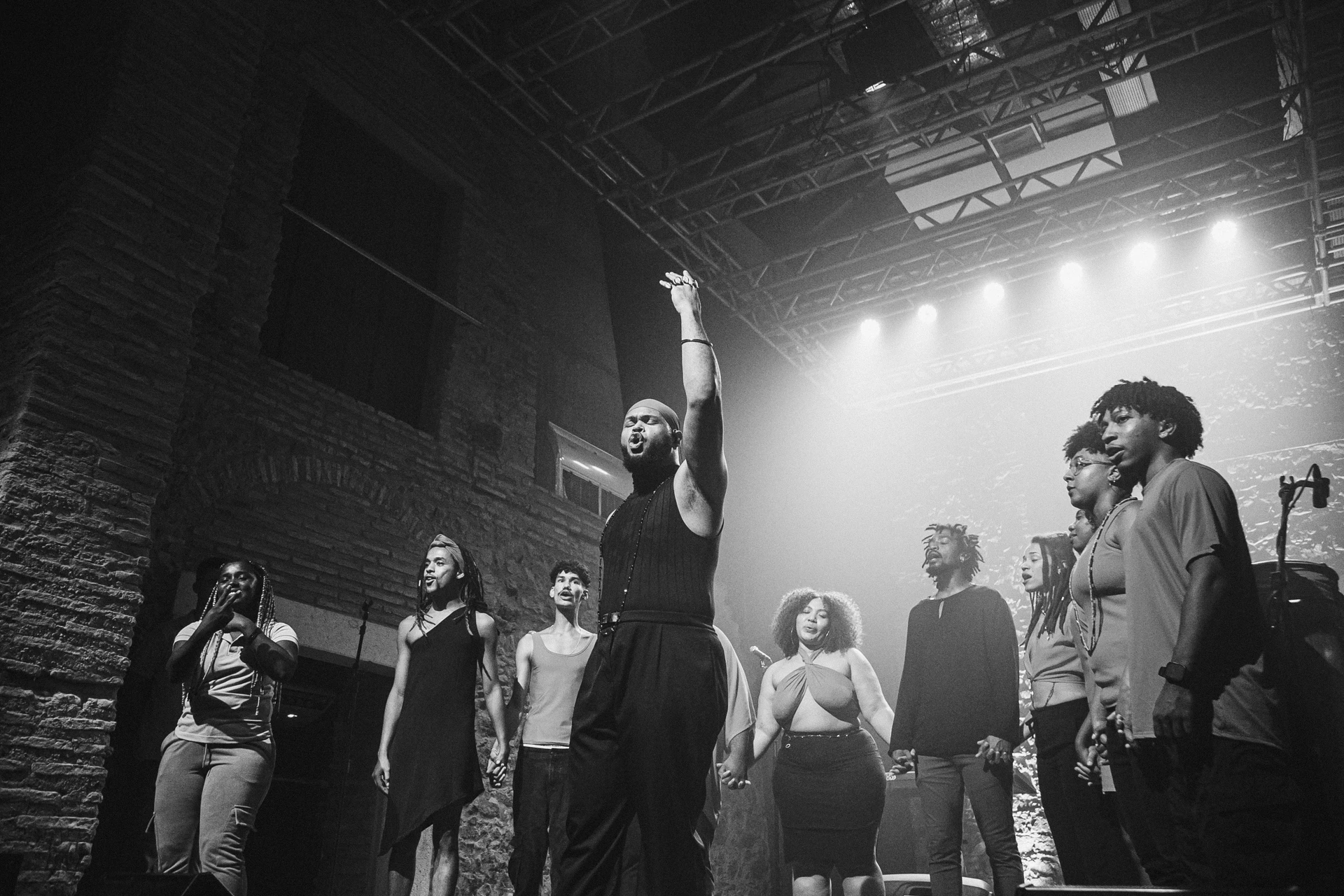
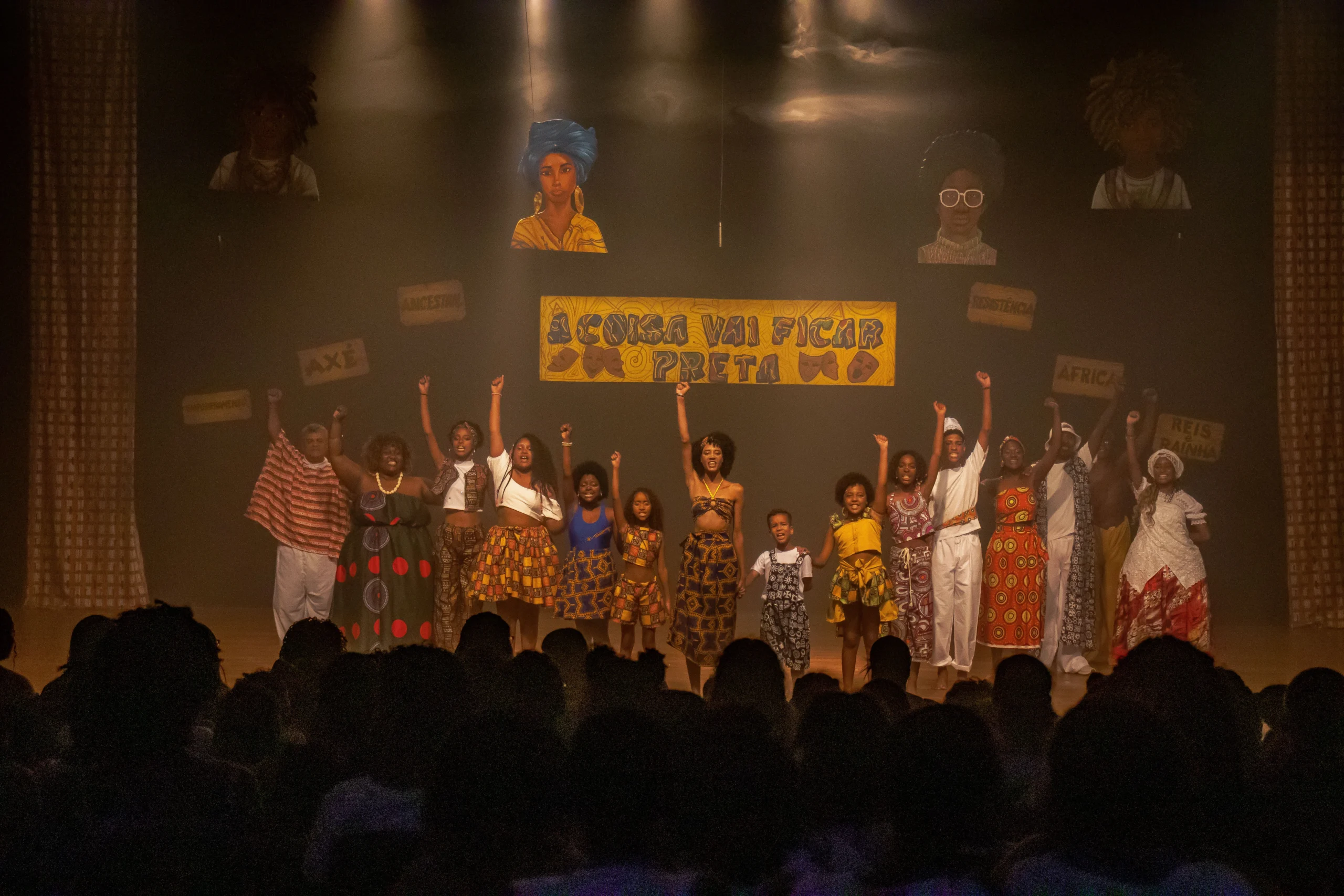
The festival turns Salvador into a stage for its peripheries with concerts, parades, and workshops from March 26 to 28.

Between March 26 and 28, the Boca de Brasa Movement takes over the Quarteirão das Artes Moraes Moreira with over 30 hours of free programming celebrating the 40th anniversary of the Gregório de Mattos Foundation (FGM) and Salvador’s 477th birthday. The event highlights how art can drive social transformation from the city’s outskirts.
Artists such as Larissa Luz, Duquesa, and ÀTTØØXXÁ join collectives like Slam das Minas and Clube Dazminina. The program features talks like “Pod Potências” with Alberto Pitta, Nildinha Fonseca, and José Eduardo, alongside performances, exhibitions, and creative labs across the Barroquinha circuit.
One of this year’s highlights is the return of the itinerant stage truck — a symbol from the project’s origins in 1986. The vehicle revives Boca de Brasa’s mission to bring culture and citizenship directly to the city’s communities.
Three days of creative encounters
The opening, on March 26, features the Feira Elabore and Larissa Luz’s “Rock in Gil”, a tribute to Gilberto Gil. On Friday (27), highlights include the ÒKÙNKÙN Performance Parade and a live show by ÀTTØØXXÁ. Saturday (28) closes with rapper Duquesa and the traditional “Côro Comeu” art occupation at Café-Teatro Nilda Spencer.
Over 500 cultural agents trained by the Boca de Brasa Creative Schools will take part. Artists like Andrezza, ODILLON, and Nega Fyah — all born from the program — show how the outskirts keep transforming Salvador’s cultural landscape.
Boca de Brasa: four decades of reinvention
Created in 1986, Boca de Brasa began as a traveling cultural initiative and evolved into a key public policy. Since its 2013 revival, it has reached over 42,000 people, trained thousands of artists, and established cultural hubs across Salvador’s neighborhoods.
In 2026, the project stands as one of Brazil’s strongest public platforms for celebrating peripheral culture, positioning Salvador as a national model for inclusion and artistic diversity.
Photo: Divulgação