The 2nd Nations Gathering brought diversity, rituals, performances and debates to the Museum of the Republic.

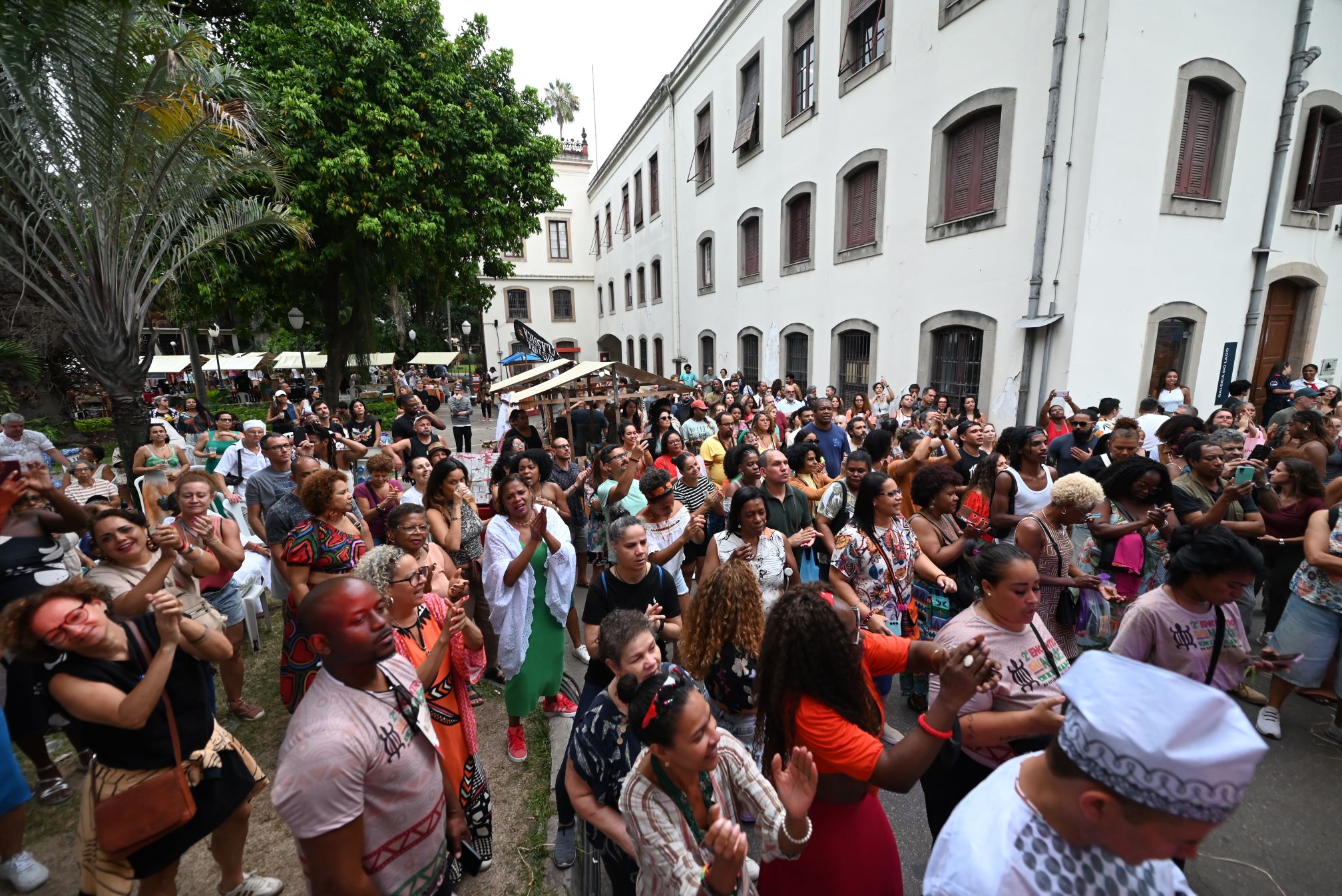
Catete Palace became a vast territory of ancestry, diversity and celebration. The event transformed the museum gardens into a vibrant meeting point for cultures, traditions and knowledge.
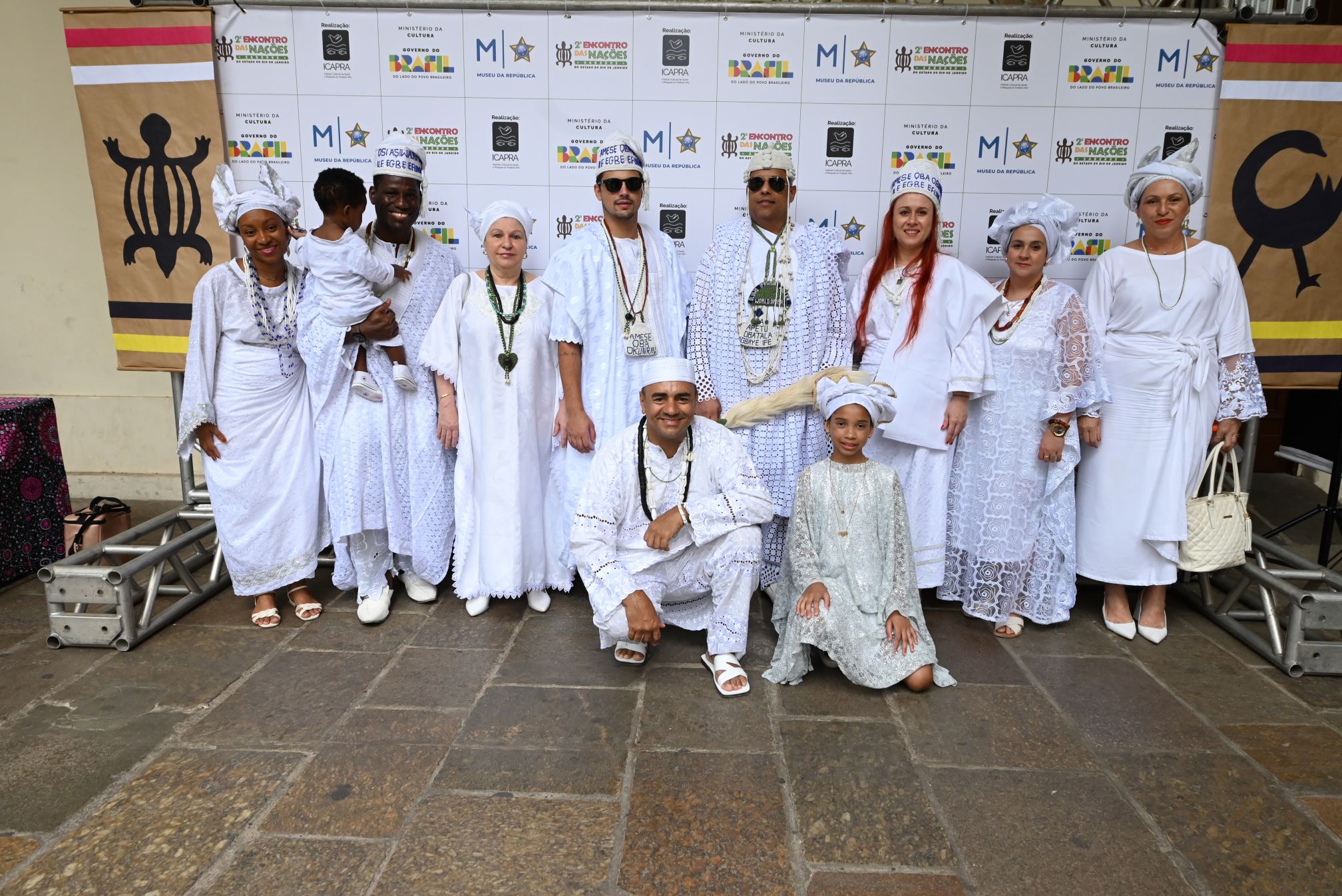
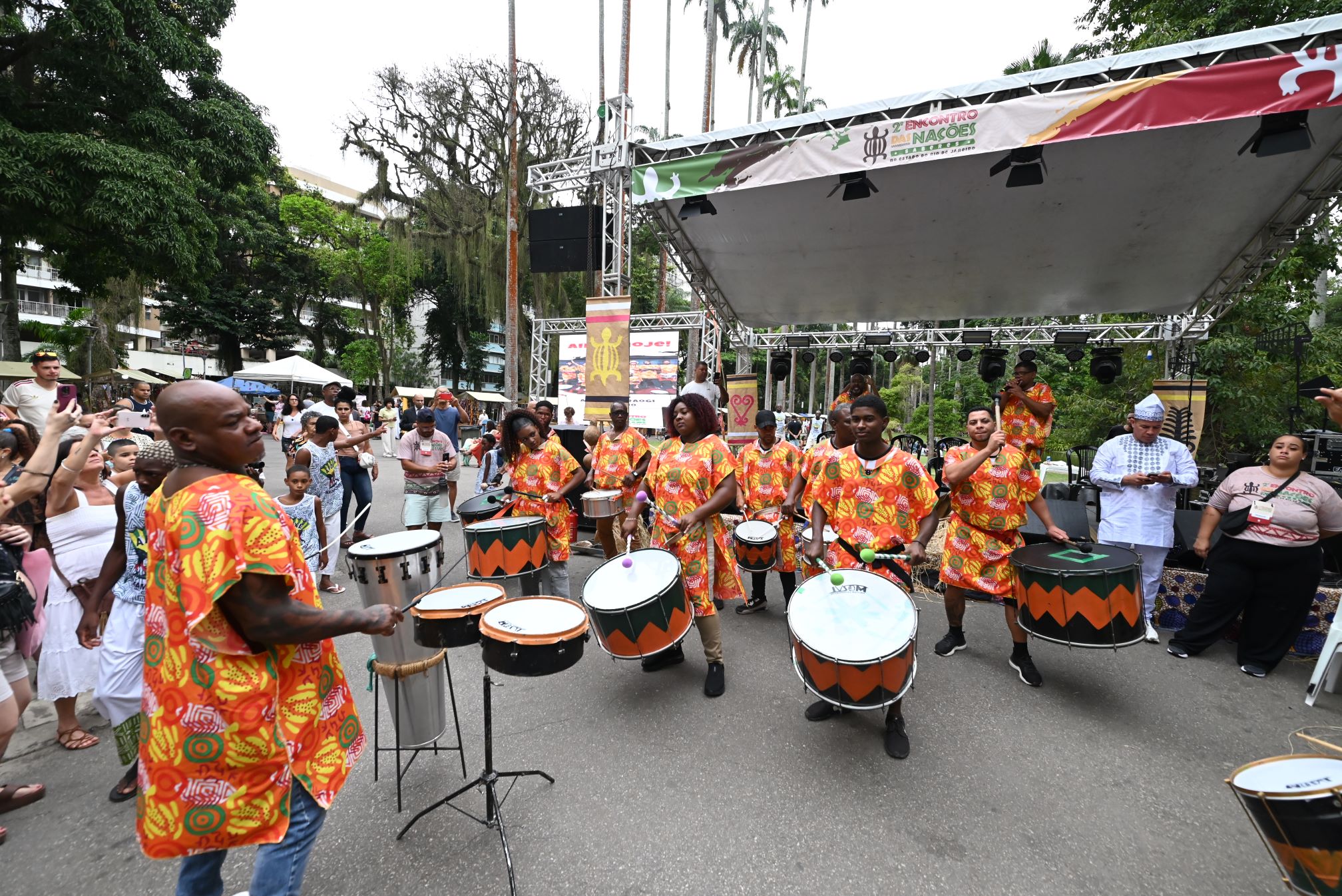
The program brought together Indigenous peoples, quilombola communities, Afro-Brazilian religious groups, artists, chefs, artisans and traditional groups such as Awurê, Cacique de Ramos, Banda Afro Tafaraogi and Portela’s drum section. Visitors experienced a profound immersion in culture and creative economy.
Throughout the weekend, masters and leaders received honors such as Baluarte of the Nations and Cultural Diffuser of the Nations. Honorees included babalawô Ivanir dos Santos, José Beniste and various religious authorities.
The gathering featured book launches, talks, debates and performances that highlighted the cultural plurality represented. Stands offering African fashion and gastronomy strengthened the connection between culture and economy.
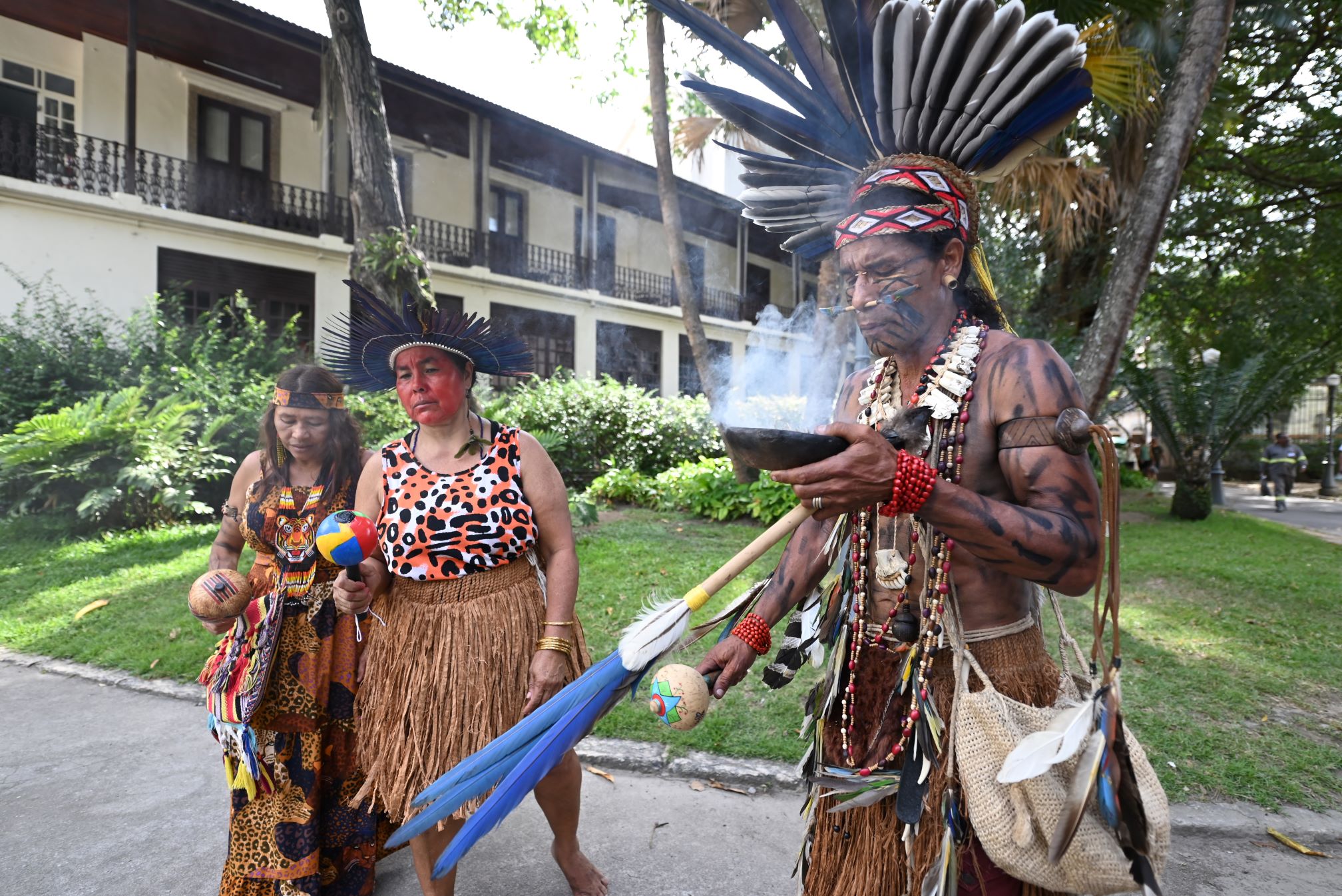
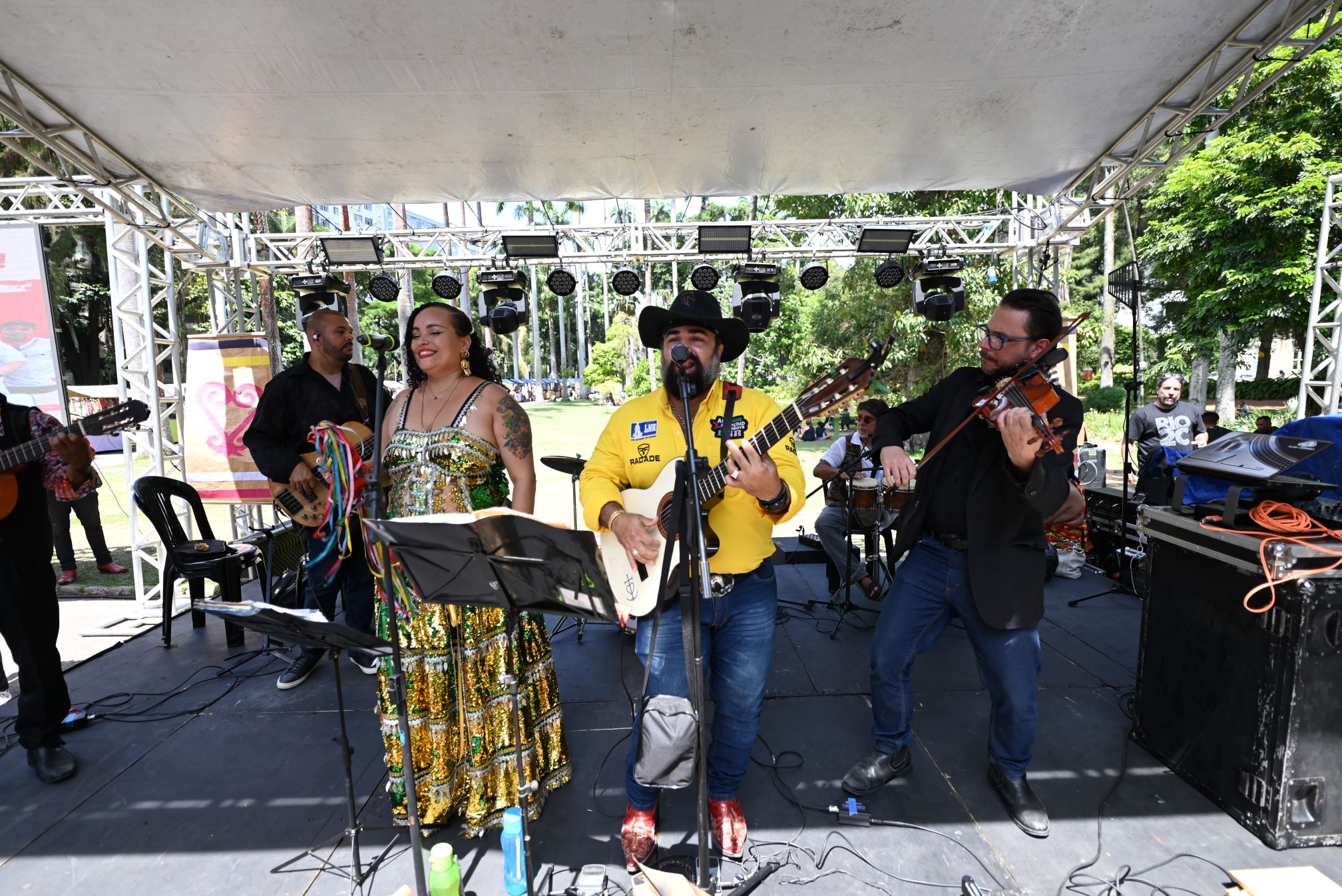
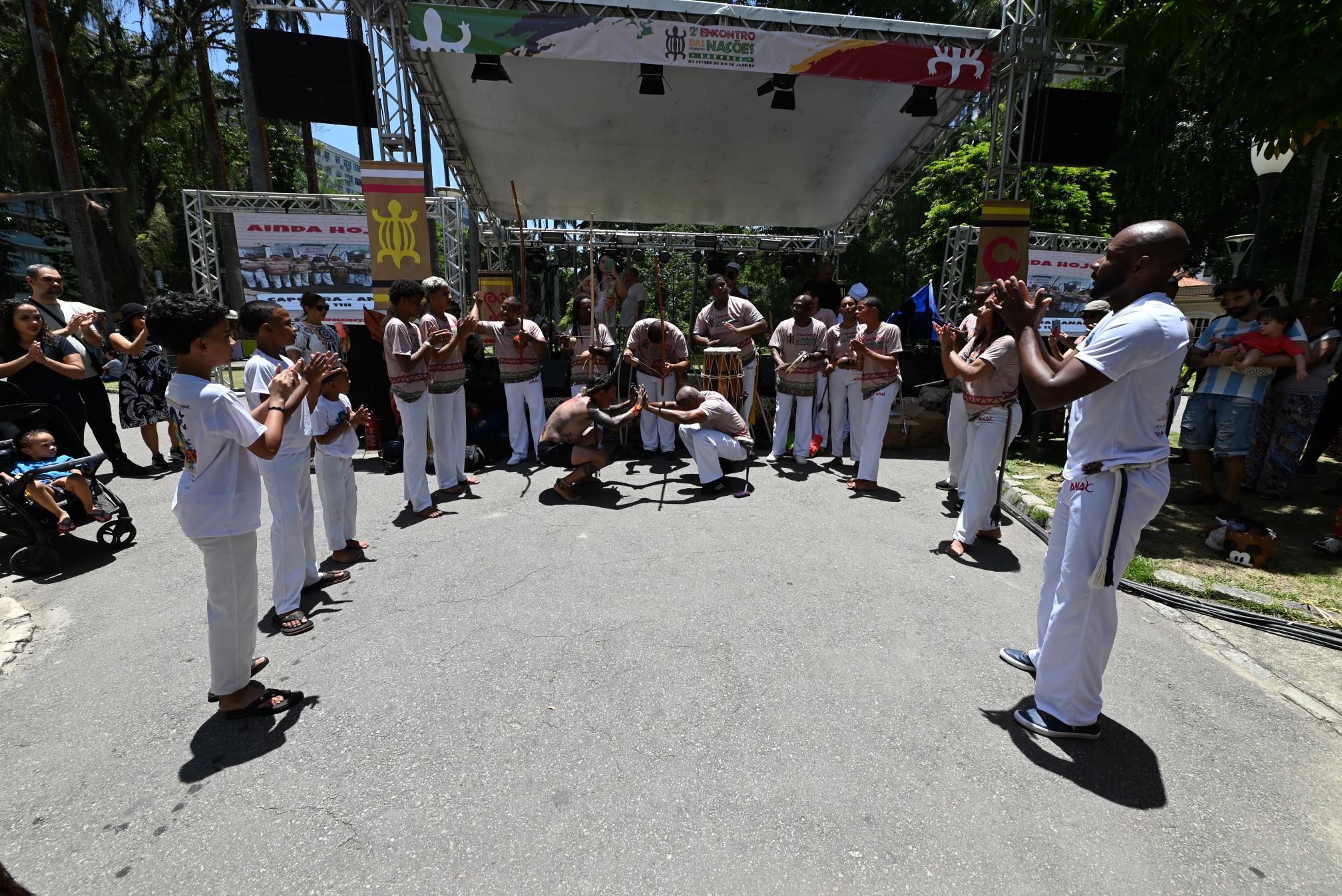
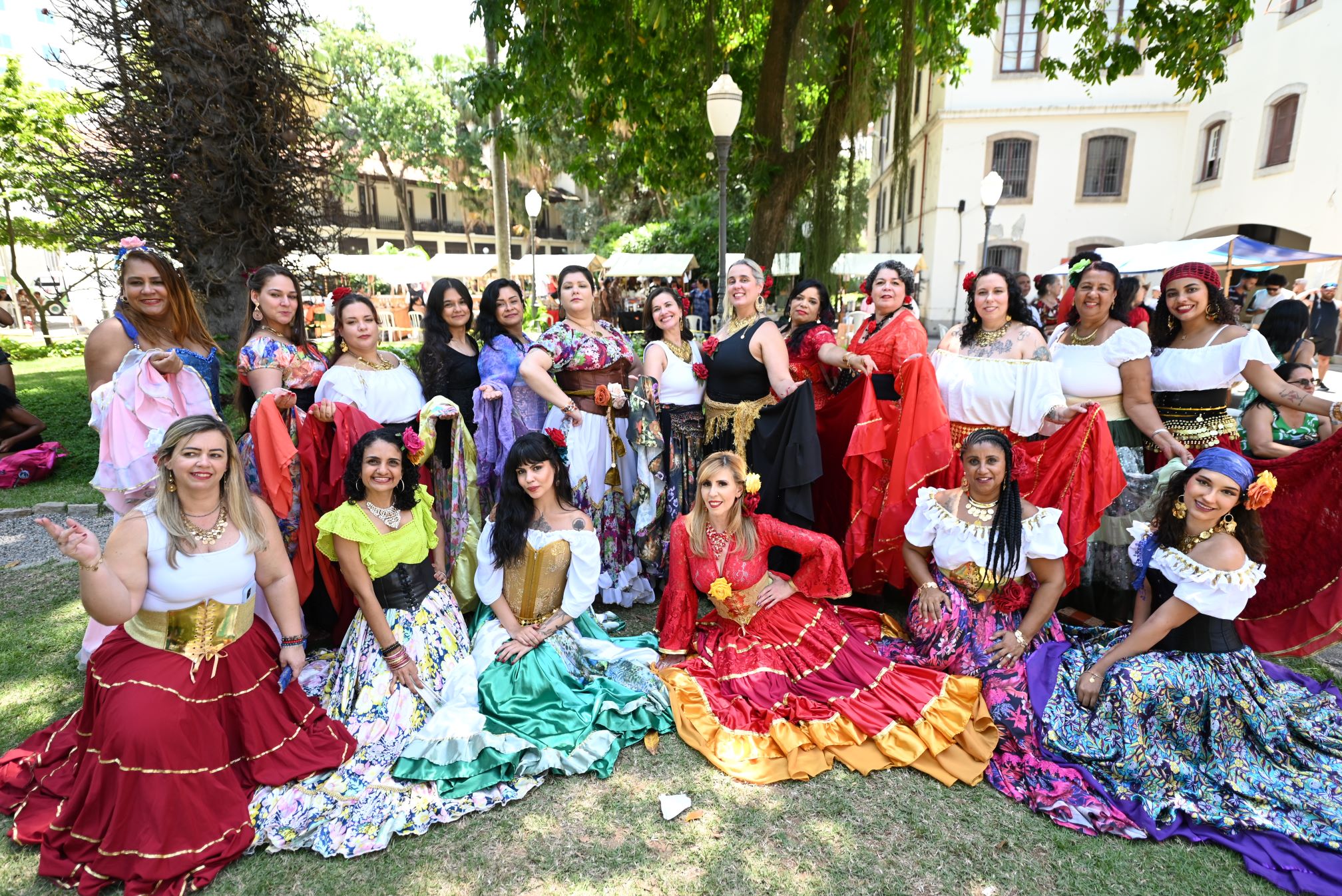
Mornings began with cleansing rituals and dances led by the Pataxó and Guajajara peoples, who also shared ancestral knowledge. Saturday included capoeira, Umbanda chants, Romani music, the energy of Cacique de Ramos and the power of Portela’s drum corps.
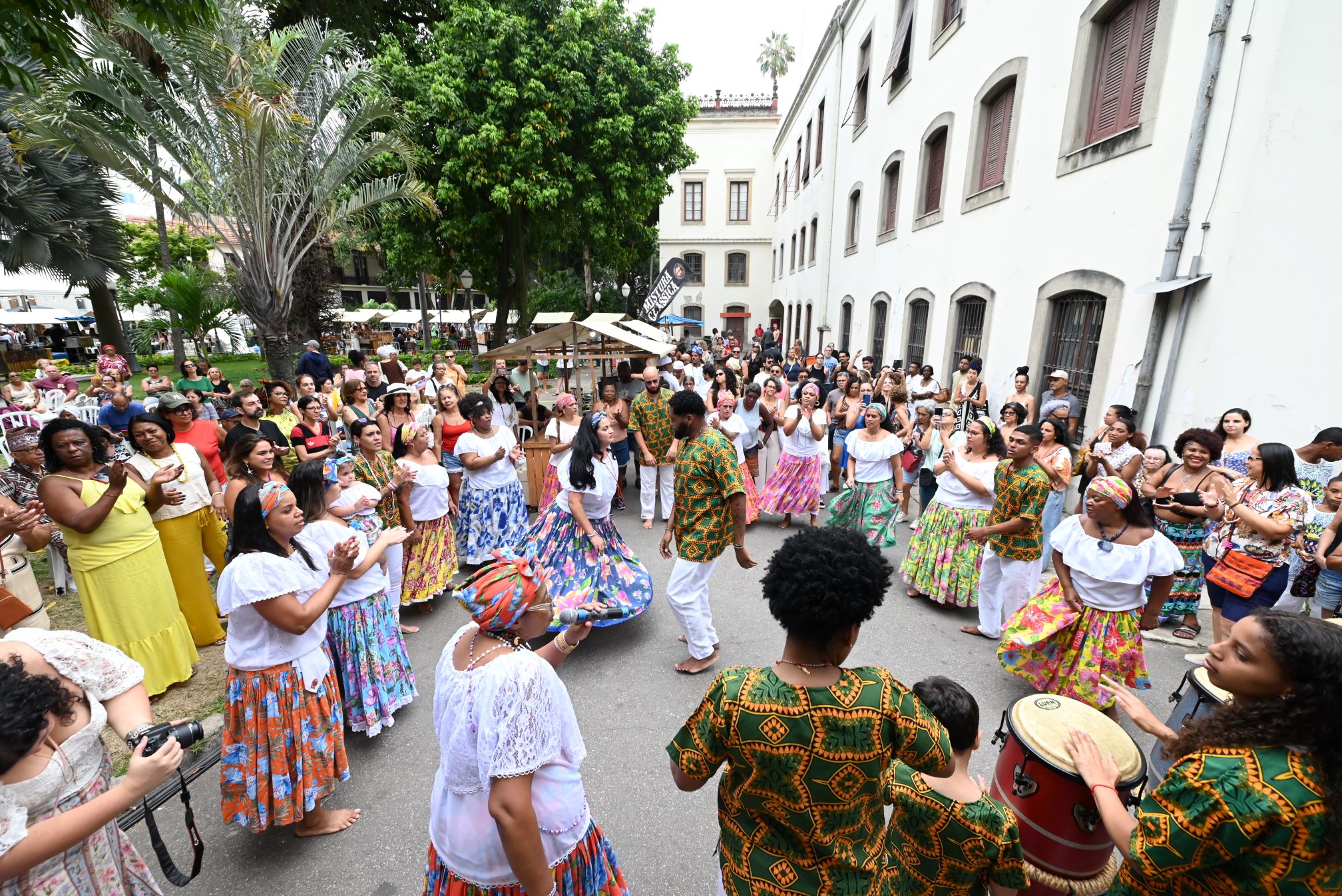
On Sunday, Afoxé Maxambomba, Jongo Filhos de Benedito, Grupo Afro Tafaraogi, Xirê das Nações and Awurê shaped a day filled with rhythm, memory and celebration.
Curator Marcelo Fritz noted that the gathering takes place at a symbolic moment during Black Awareness Month. He stated that the event strengthens identities, connects generations and shares knowledge through free workshops.
According to Fritz, the appreciation of Afro-Brazilian traditions happens through the transmission of ancestral techniques and practices, preparing new generations committed to keeping these roots alive. He explained that creative economy arises from cultural exchanges and generates innovation grounded in tradition.
He highlighted that uniting diverse cultures in one territory was a long-held dream. For him, the legacy lies in alliances, perspectives of resistance and the strengthening of new cultural leaders.
The historic palace became a stage for millenary cultures in dialogue. Songs, prayers, rituals, sambas, flavors and celebrations echoed through the gardens, making Catete a living space of Rio’s cultural identity.
Photo: Carlos Júnior