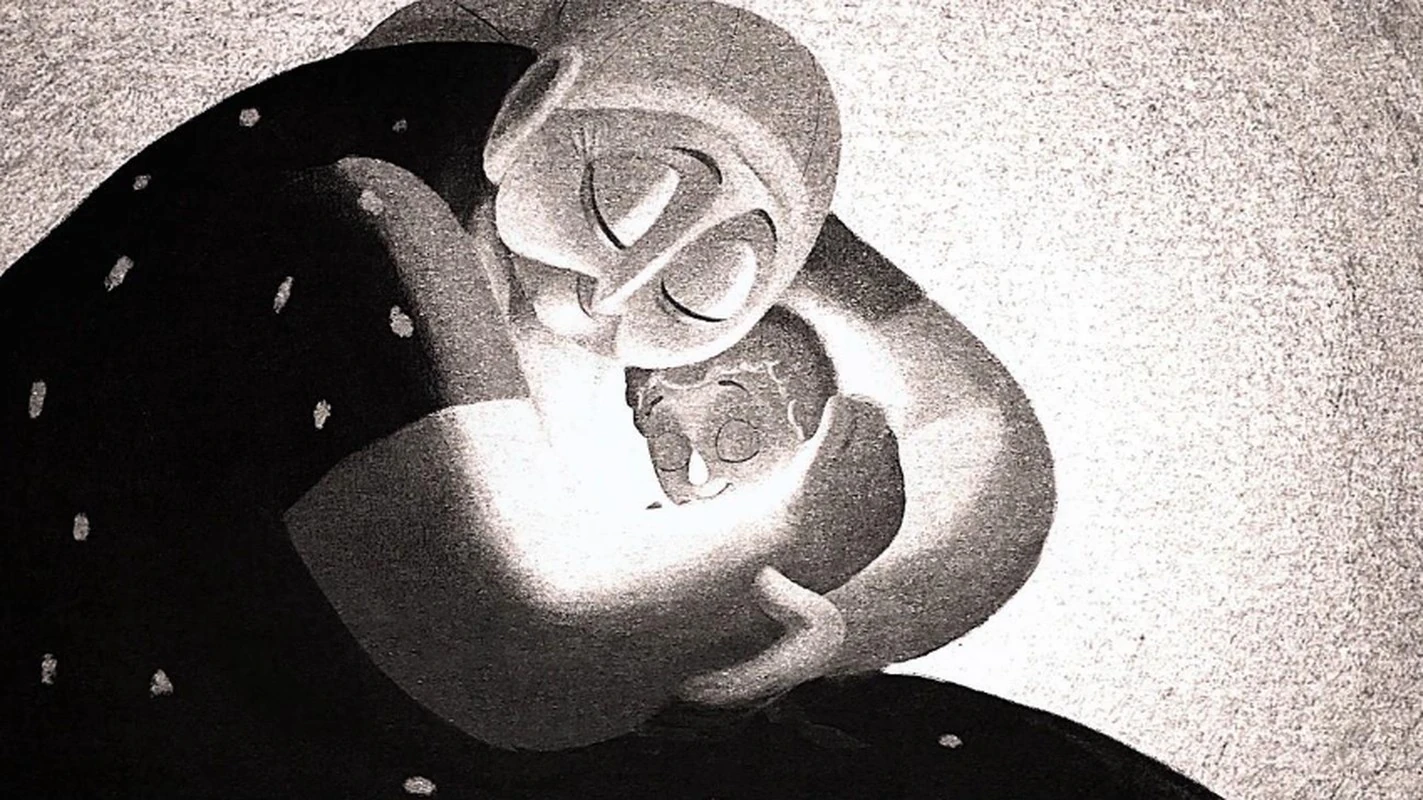
New episodes of “The Boy Who Swallowed the Sun” air on SescTV in March, weaving poetry and childhood in Brazil’s Pantanal wetlands.

SescTV brings four new episodes of the animated series The Boy Who Swallowed the Sun throughout March. Directed by Patrícia Alves Dias and narrated by celebrated Brazilian vocalist Ney Matogrosso, this 2020 production follows young Manoel’s childhood in the Pantanal, where nature, imagination, and tenderness intertwine as lessons in growing up.
The series draws inspiration from the book of the same name by Ricardo Pieretti Câmara, the poetic universe of Manoel de Barros, and the fire myths of the indigenous Guató people. It spans 13 seven-minute episodes and earned the distinction of being Brazil’s sole finalist at the Japan Prize 2020, an international competition for educational content founded in 1965.
Four episodes, one persistent longing
The fifth episode, “Ácó Tóherá” (Mar. 7), finds Manoel carefully keeping the color blue before heading to school. In the afternoon, he plays at “being a tree” — a practice of stillness and listening. But night steals his voice and fear moves in. His grandmother Donana says “we are what we eat,” and Manoel begins to crave eating light itself.
In the sixth episode, “Ákó Céne Kaéka I-rá” (Mar. 14), the backyard becomes a racetrack. Manoel and his animal and bird friends compete in a flurry of flights and stumbles. The boy invents words to keep the day from falling asleep, and asks his grandmother what shines brightest — searching, instinctively, for an antidote to the dark.
Episode seven, “Aco Dúni Kaéka I-rá” (Mar. 21), presents a Manoel who collects the silence of hot afternoons. The backyard fence stands “as tall as swallows,” and it is the swallows that carry him toward the sun. At dusk, the fences seem to chase the fading light. That night, Manoel insists again: he wants to eat the sun. Donana answers with the wisdom of someone who knows the rhythm of things: “you can’t eat the sun. The sun burns.”
Closing out the month, “Aco Cúmu Kaéka I-rá” (Mar. 28) turns dawn into a collective ritual. Frogs and creatures swallow the aurora, the sun settles over the house, and words move as if the world were talking to itself. When night returns, Manoel still holds onto his wish to save a piece of sunlight. That stubborn gesture is the series’ central metaphor: growing up means learning to live with the dark without letting go of the light.
Respecting children’s intelligence
By placing the Pantanal at the heart of childhood experience, The Boy Who Swallowed the Sun reflects SescTV’s commitment to programming that respects young viewers’ intelligence while speaking to adults through delicacy and beauty. Between backyards, rivers, and silences, the series turns fear into a question and imagination into a possible answer.
Growing up means learning to live with the dark without letting go of the light.
Screening Information
THE BOY WHO SWALLOWED THE SUN
Director: Patrícia Alves Dias
Narrator: Ney Matogrosso
Brazil, 2020 | 13 episodes, 7 minutes each | Rating: General Audiences
TV broadcast: Saturdays at 10 a.m.
Repeats: Sundays at 5:30 p.m.; Mondays at 3 p.m.; Tuesdays at 9 a.m.; Thursdays at 6:15 p.m.
March episodes:
Mar. 7 – Ácó Tóherá (Ep. 05)
Mar. 14 – Ákó Céne Kaéka I-rá (Ep. 06)
Mar. 21 – Aco Dúni Kaéka I-rá (Ep. 07)
Mar. 28 – Aco Cúmu Kaéka I-rá (Ep. 08)
Check your cable or satellite provider to tune in to SescTV.
Stream online at sesctv.org.br/noar
Follow SescTV: @sesctv
Photo: Miguel Angeo e Eduardo Duval