In Catu, Bahia, the Ed Ribeiro Studio Museum blends art, spirituality and Afro-diasporic culture, featuring works devoted to the Orixás and original sculptures.

In the Recôncavo Baiano region, the town of Catu in Bahia stands out for hosting a widely recognized artistic sanctuary dedicated to Afro-diasporic culture and African-rooted traditions: the Ed Ribeiro Studio Museum. Open to visitors, it has become one of the calling cards of the “black gold city,” in the eastern part of the state.
The venue also serves as the personal retreat of visual artist Ed Ribeiro, often referred to as the “Painter of the Orixás.” Founded about 16 years ago, the studio became known for merging the sacred with art and spirituality. As a result, it has grown into a route for travelers seeking to renew their axé and reconnect with ancestral deities.
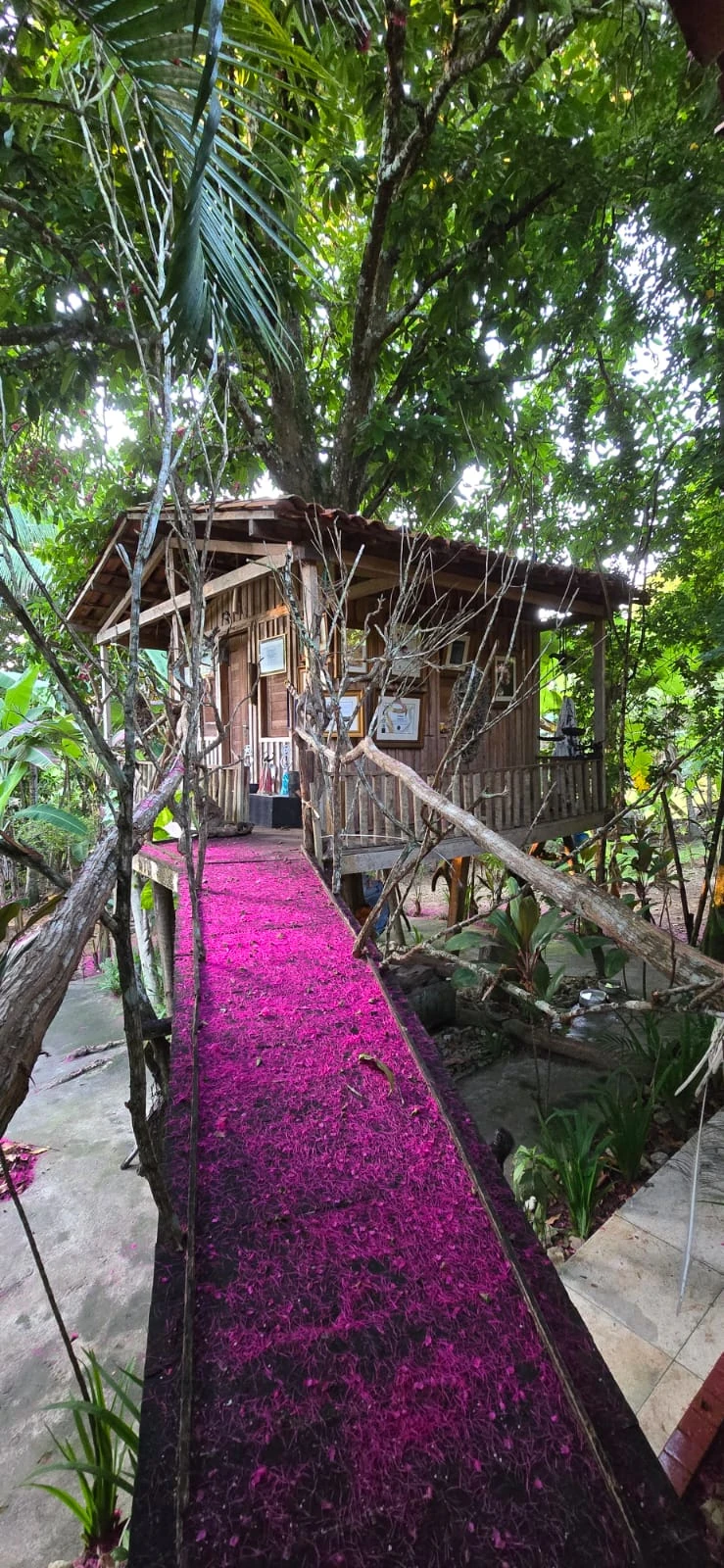
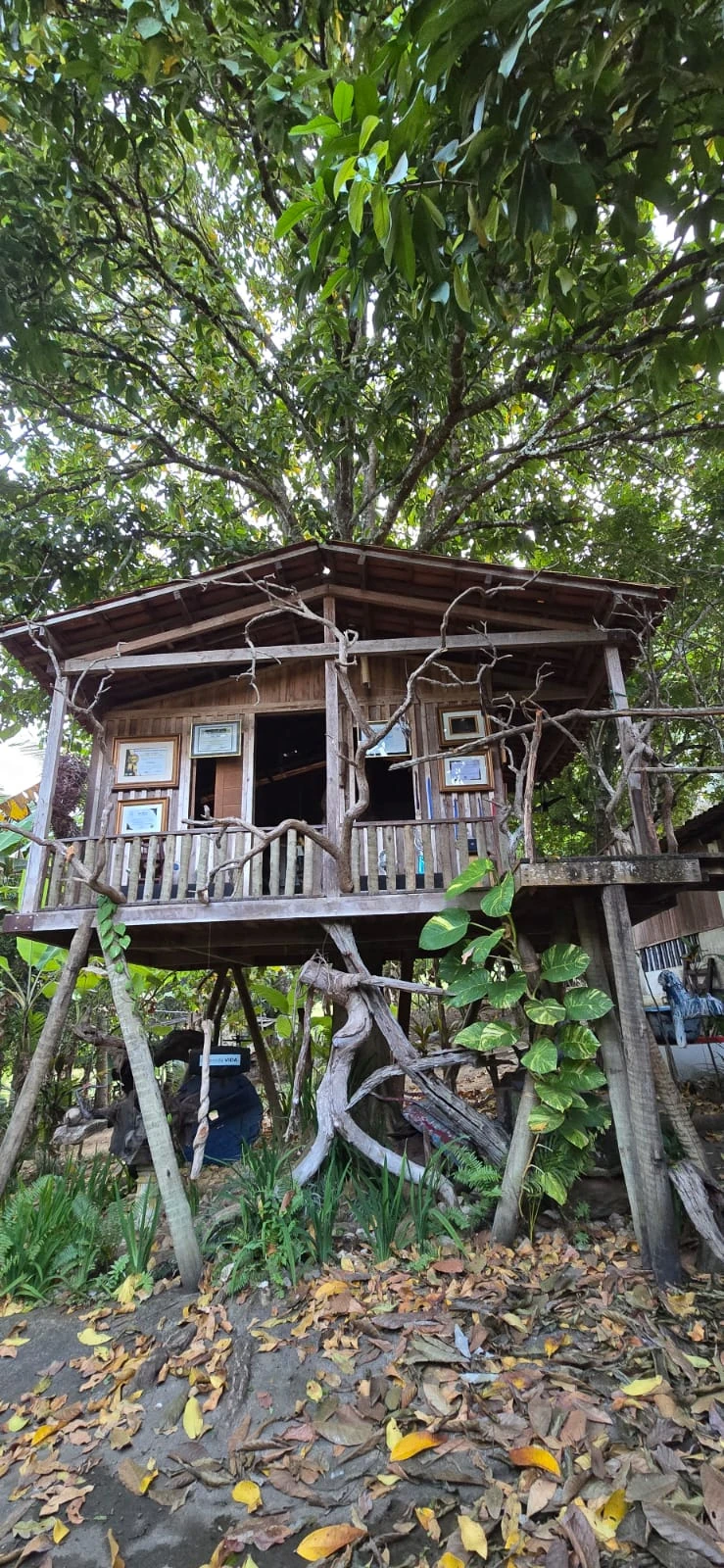
Ed Ribeiro Studio Museum in Catu
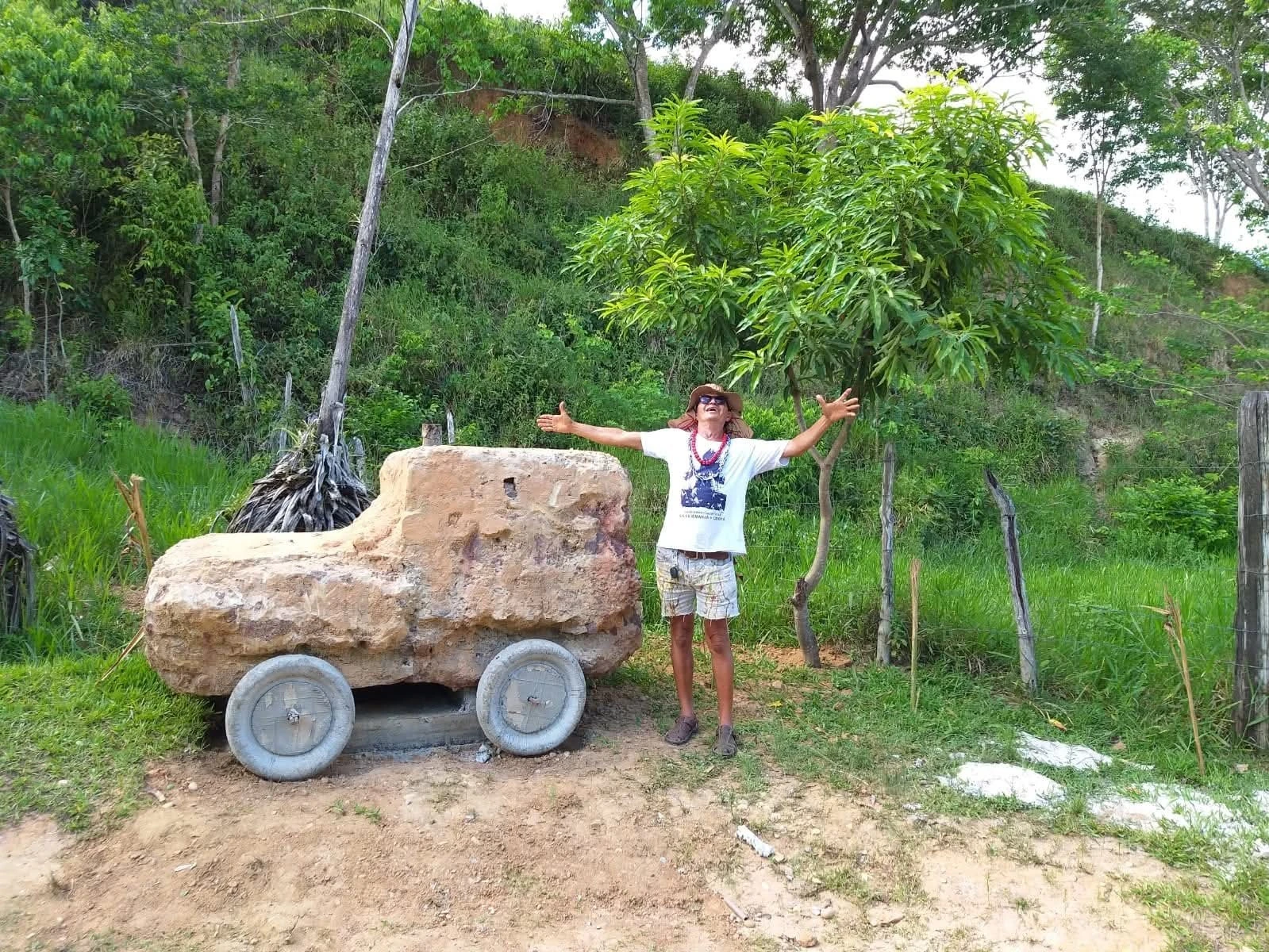
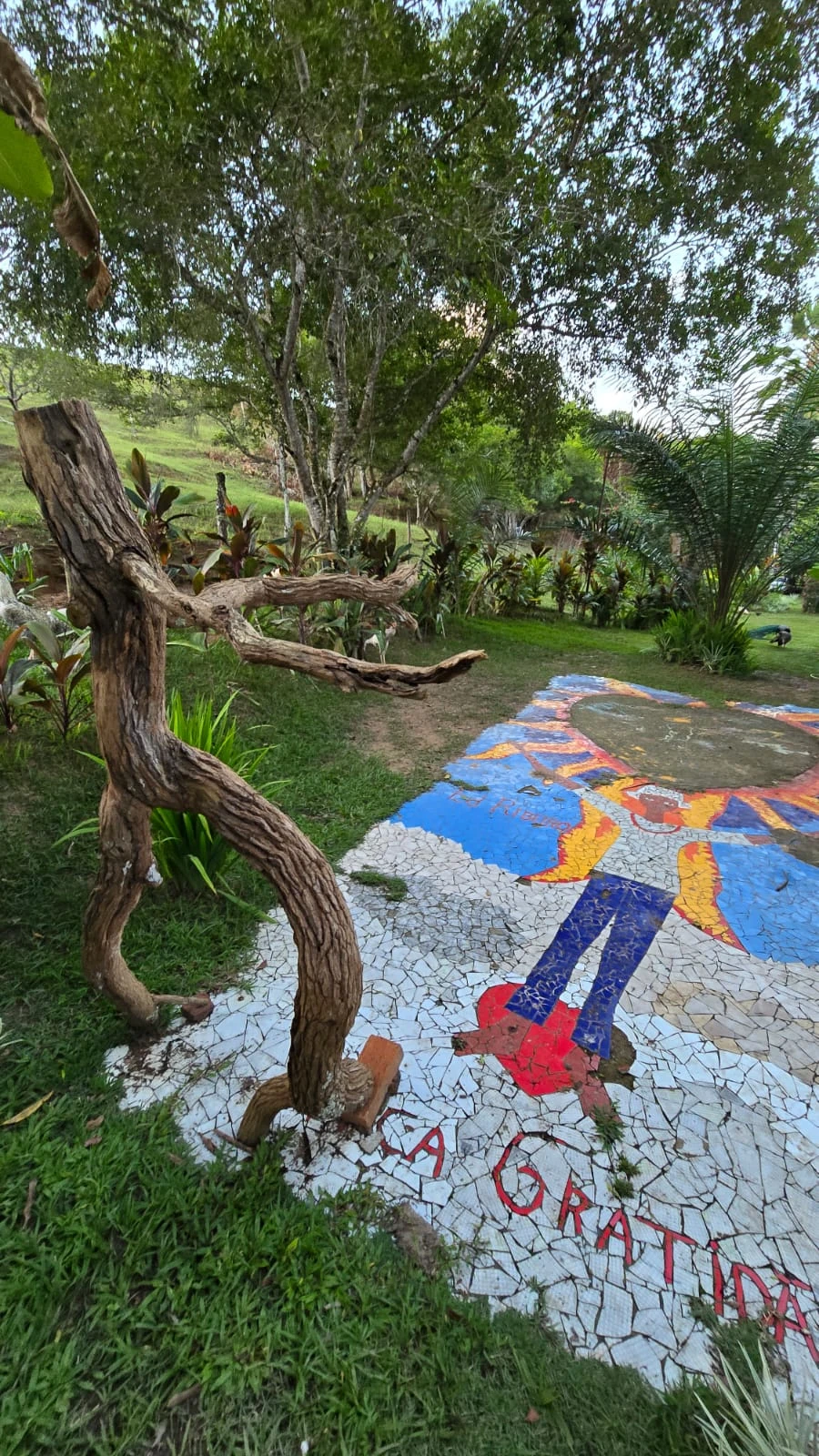
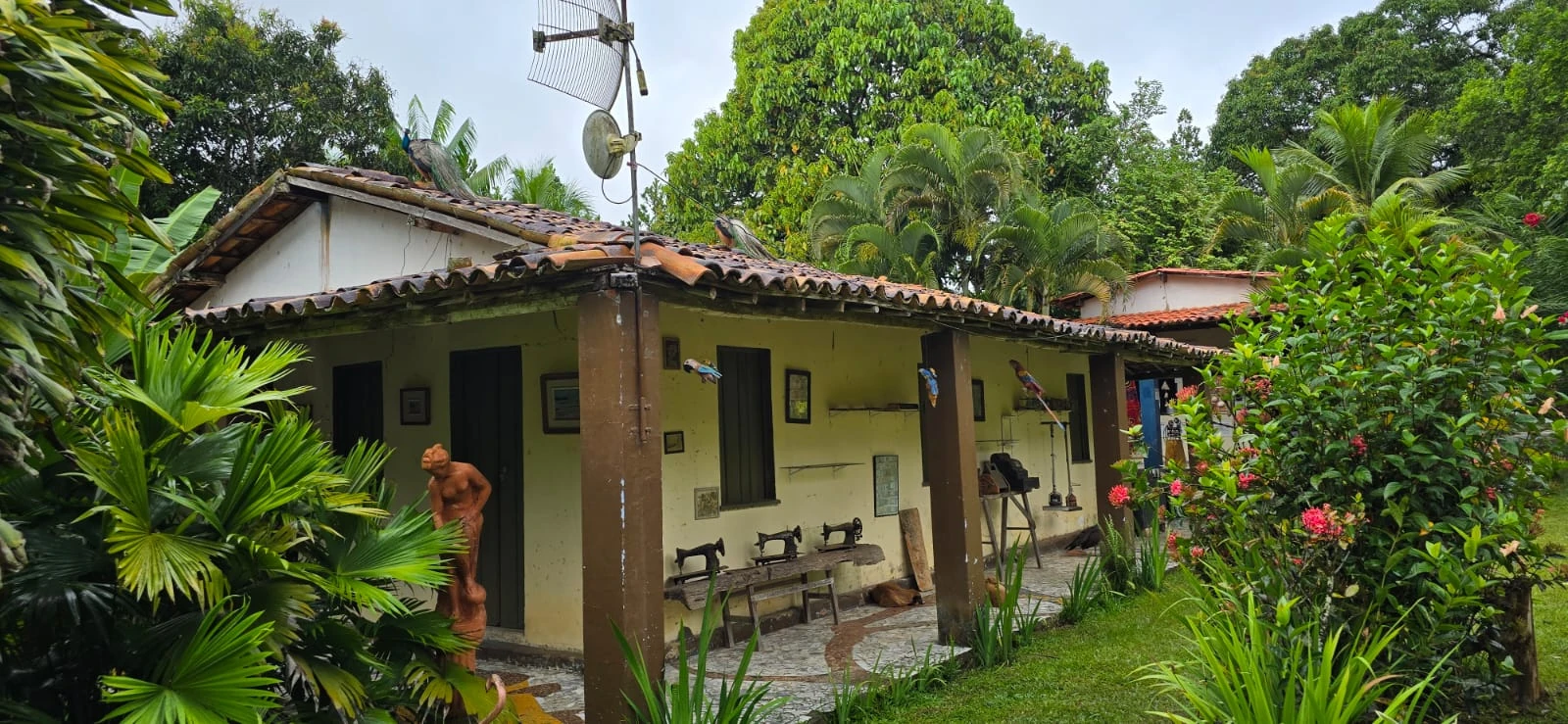
Set in Catu’s rural area, the journey to the museum is part of the experience. Turning onto Praça Gratidão, just after the “Stone Jeep” landmark—sculpted by the artist in 2019—the Studio Museum welcomes guests with works that honor African heritage.
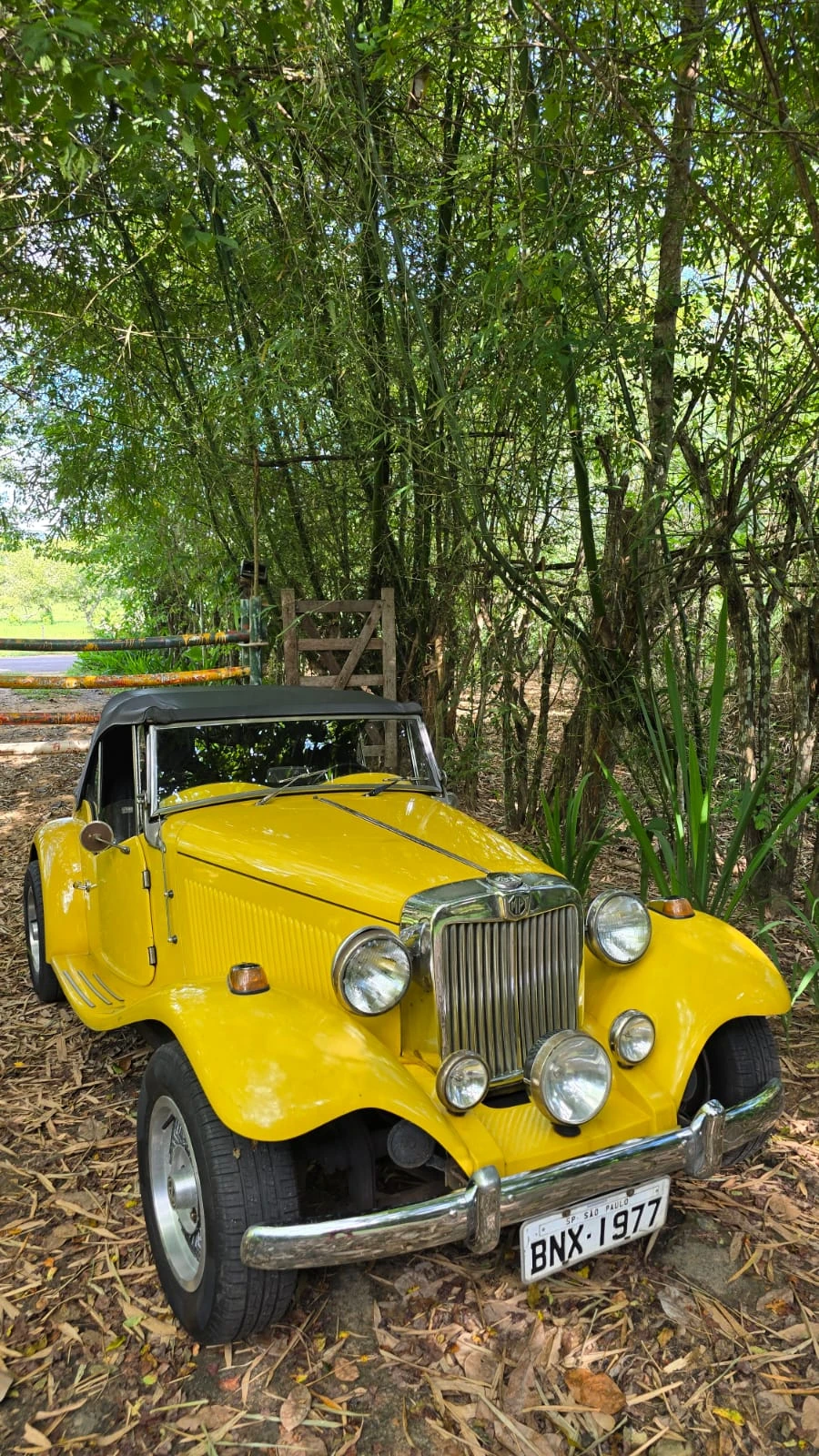
Inside, paintings created with the internationally known “Paint Pouring” technique, signed by Ed Ribeiro, depict figures such as Iansã, Oxalufã, Oxum and Oxóssi. Outdoors, near a yellow convertible, pieces of Iansã and Xangô appear by a palm tree, evoking the couple of the dendê.
Sculptures and ancestral memory
Visitors may also come across original sculptures such as “Maria Mulambo,” “Dinosaur,” and “Christ Carrying the Cross.” The works are made from dead or burned trees that gain new life through the artist’s hands, becoming part of the site’s landscaping.
“This studio is my home, my little corner. I like showing everyone who visits how art and spirituality walk together here. With the creation of this space, Catu has become an even more touristic destination, not only because of the region’s charm, but because of the spirituality connected to the Orixás in this sanctuary,” he says.
On the first floor, the studio also houses a memorial dedicated to Mãe Stella de Oxóssi. Featuring original elements from the Republic of the Congo, nine pieces representing the “Settlement of Ogum” draw attention as part of what is described as the artist’s exclusive collection.
Active in the arts for two decades, Ed Ribeiro has become known for works that highlight ancestry tied to African-rooted traditions. By creating a visitor route that connects people to the Orixás and to the cultural heritage of the Recôncavo Baiano, he frames the studio as a place of memory, creation and faith.
“Whether you call it the ‘Santuário dos Orixás’ or the ‘Ed Ribeiro Studio Museum,’ regardless of spelling, this is a territory of healing, axé and good energies. Those who come here are fascinated by the landscaping and by a heritage that spans centuries of history between Brazil and Africa. In this space of devotion to the Orixás, reconnecting with ancestry is a must,” Ed Ribeiro concludes.