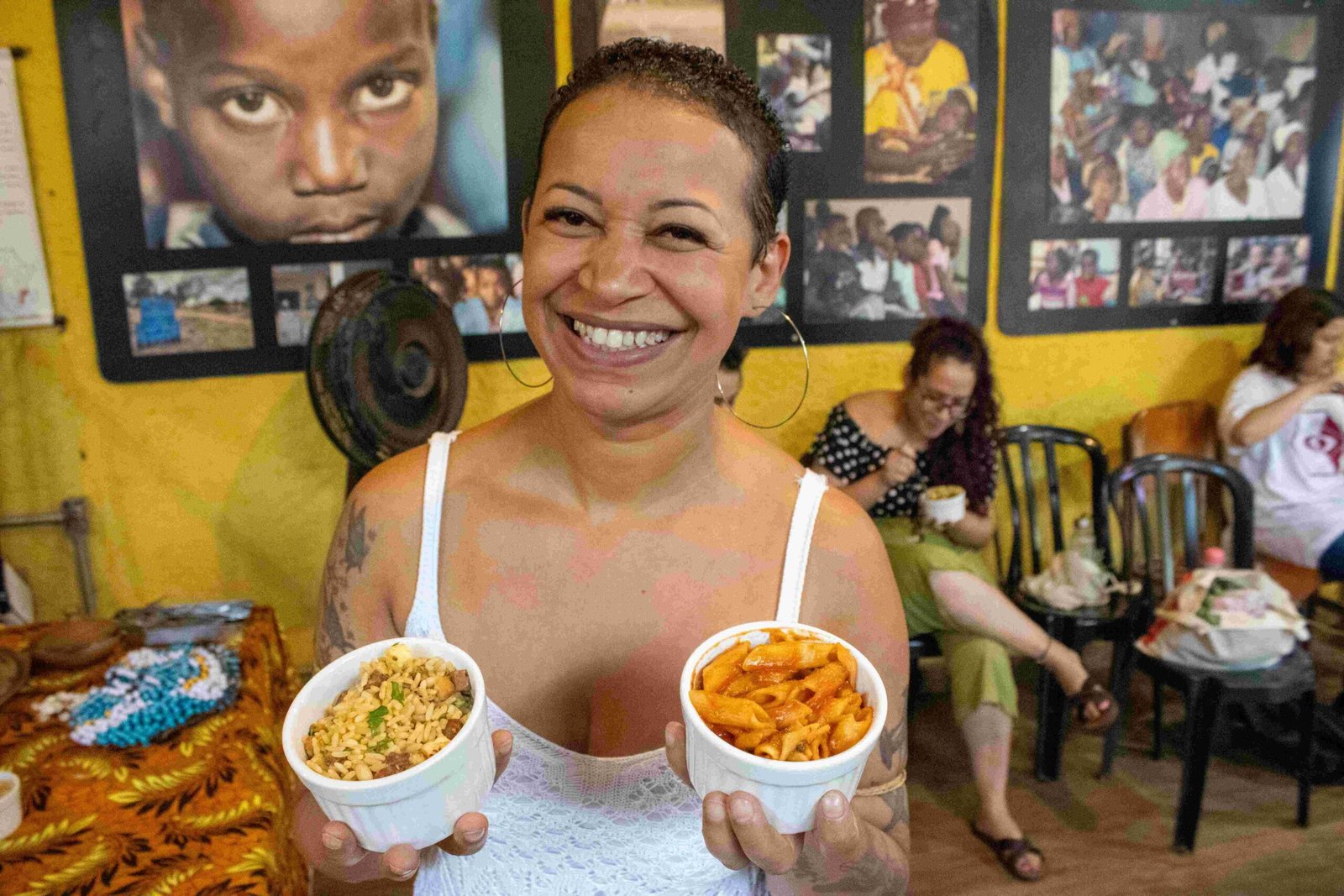
On April 18, chef Dani Souza leads a free conversation about food racism at Quilombaque Cultural Community in Perus, São Paulo.
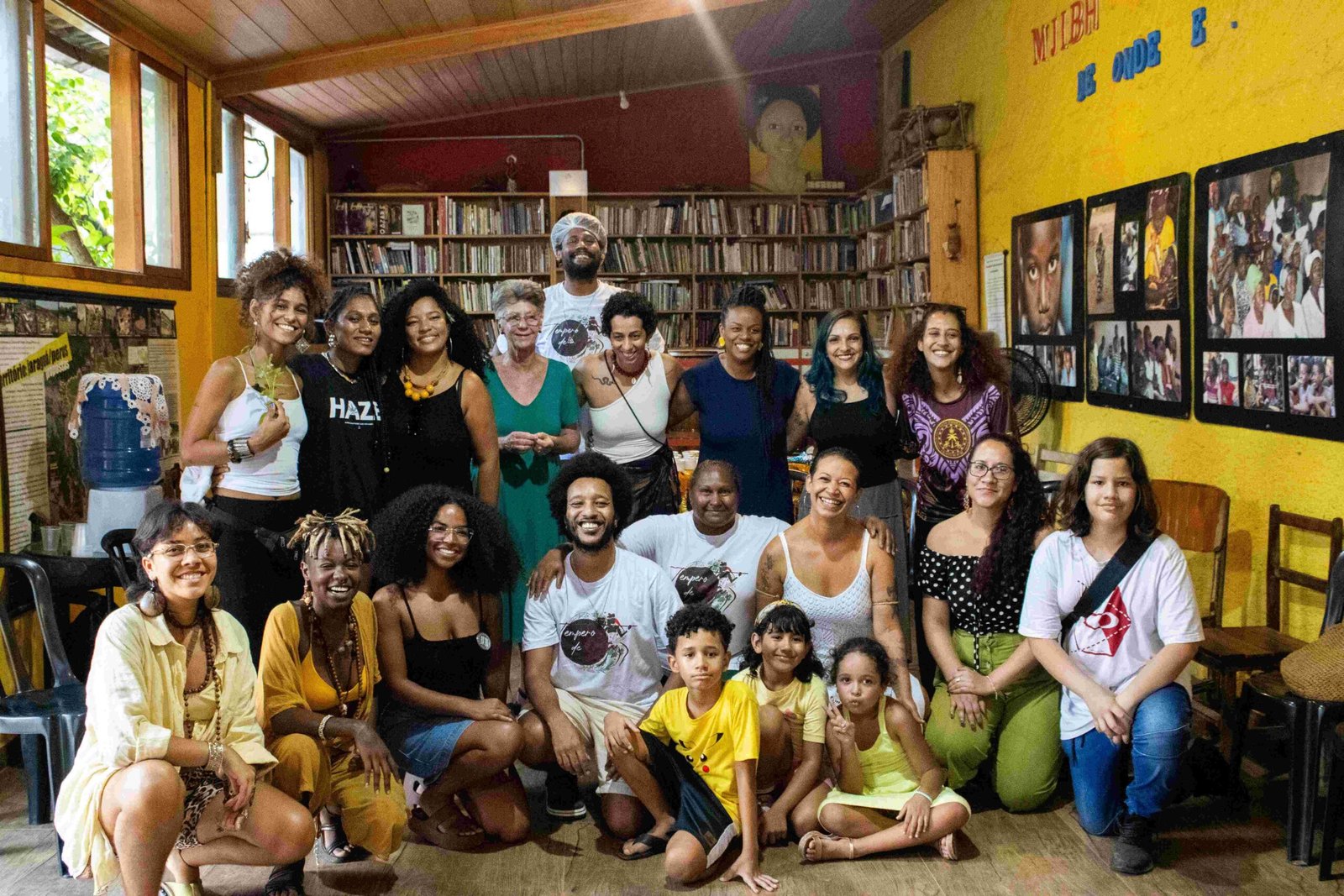
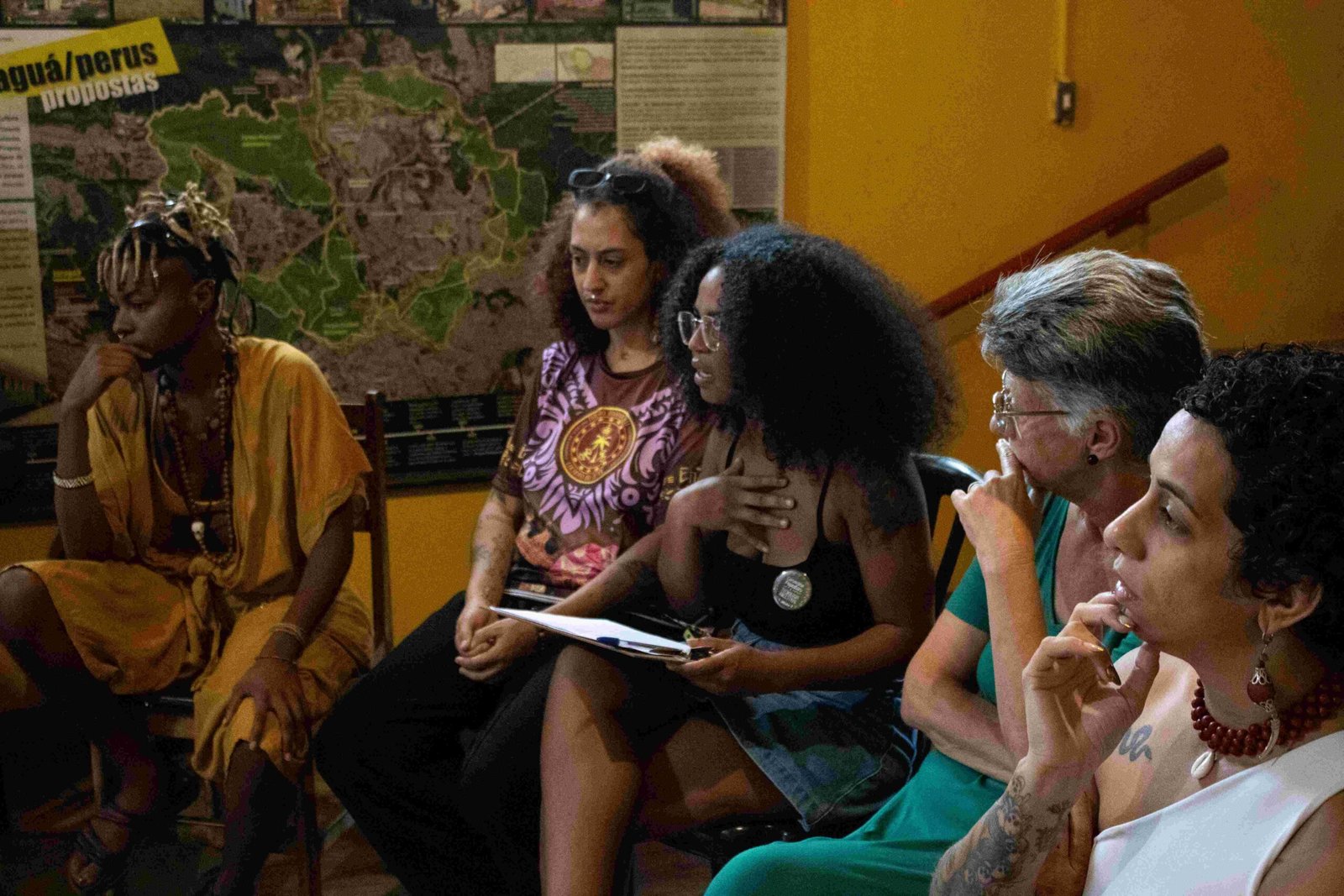
In Perus, a neighborhood in São Paulo’s Northwest Zone, the kitchen has become a starting point for reflections that reach far beyond the plate. The project Sabores do Tempo – Connections Between Knowledge and Practice, carried out by the Coletiva Tempero de Oyá, brings together residents to discuss food, territory, and social justice through free conversation circles with Brazilian Sign Language (LIBRAS) interpretation.
A growing community movement
The first two gatherings already point to the initiative’s strength. In February, 16 people joined the “Nutrition and Health” circle, led by Valéria Pássaro — a social educator with research in child and youth development and naturist-based food and health studies. The conversation drew from everyday experiences to frame food as both a right and a cultural expression.
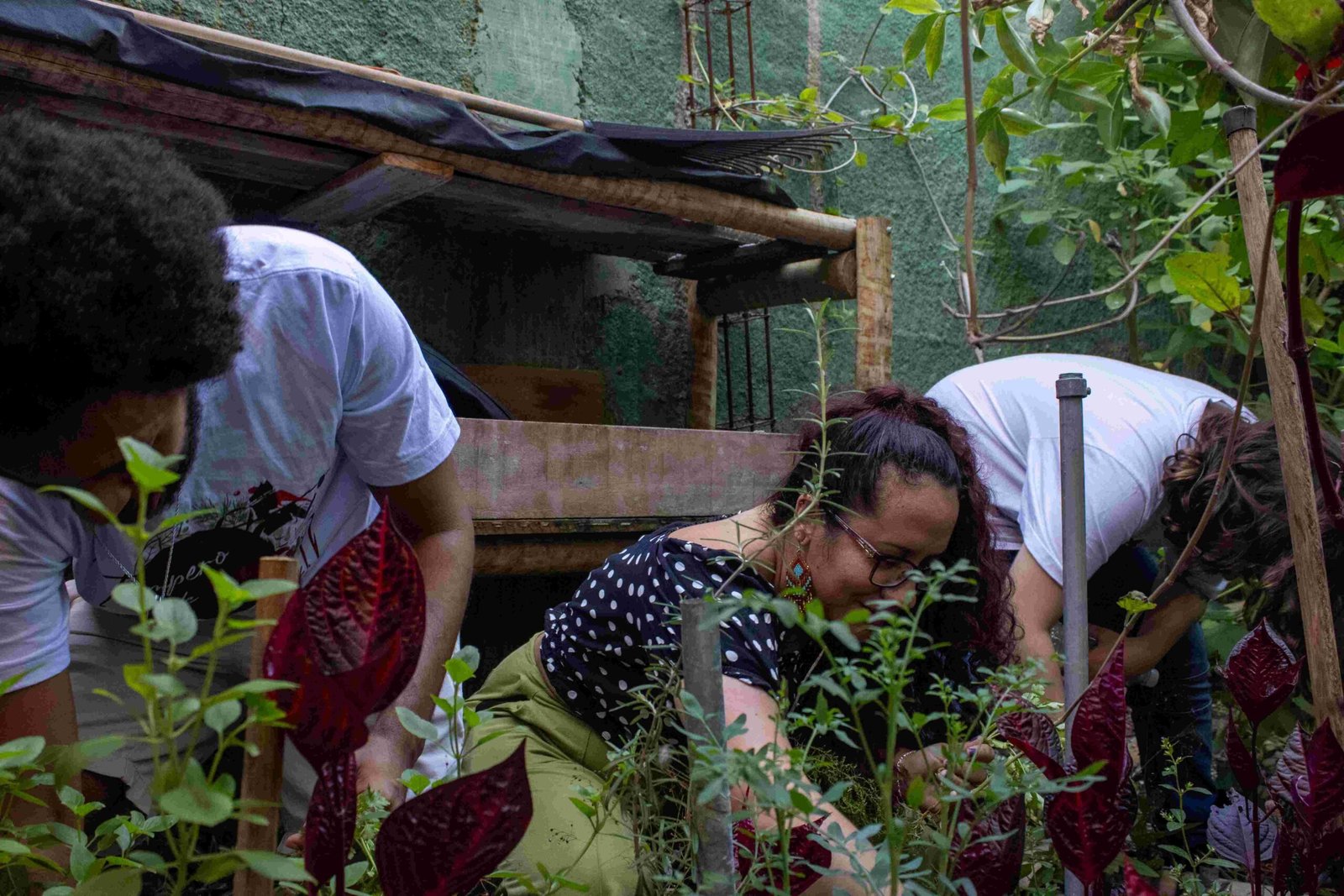
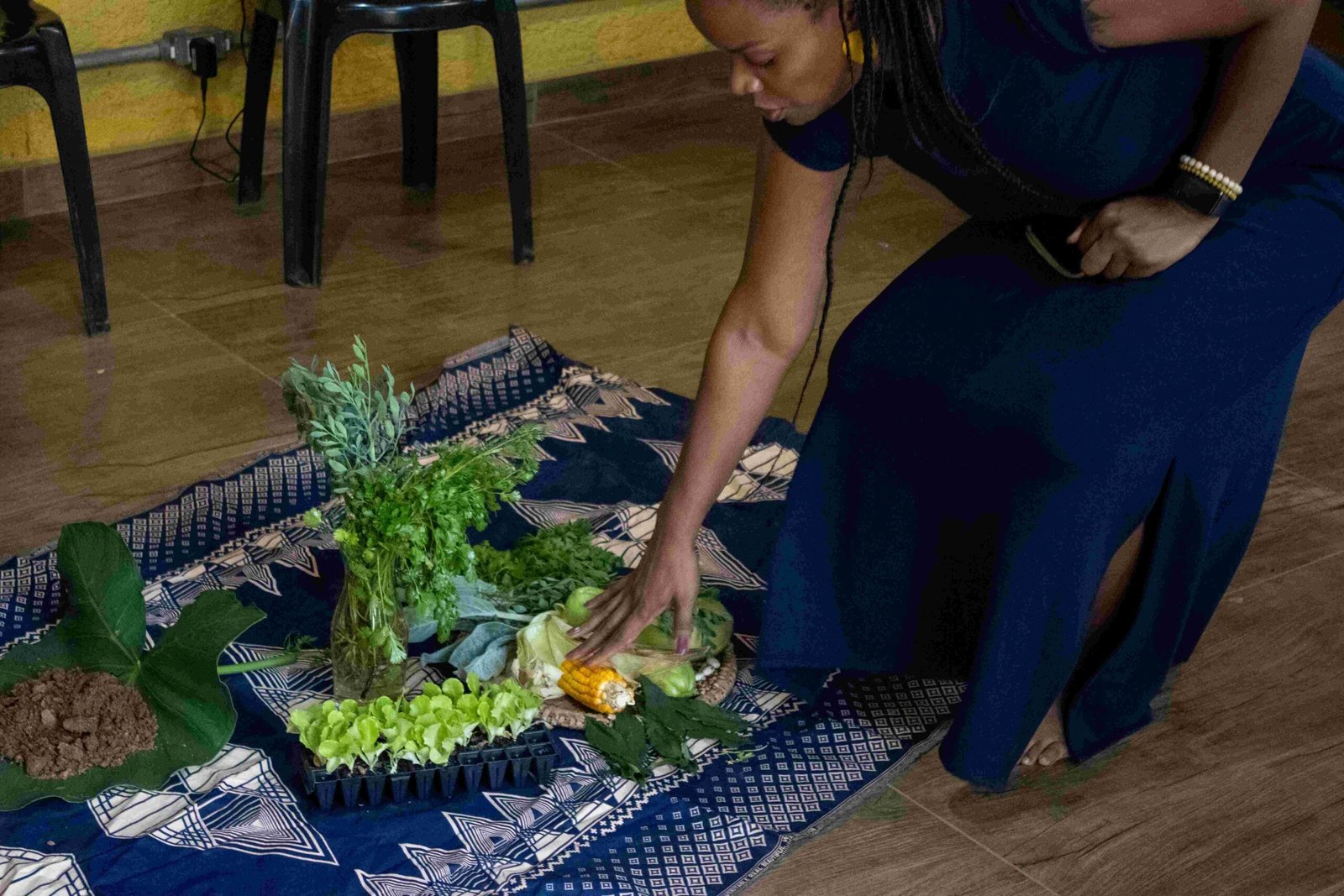
In March, participation grew to 18. The theme was “Food Sovereignty: Planting and Harvesting”, facilitated by biologist Bruna Macedo. The discussion centered on community gardens, food autonomy, and reconnecting with the natural cycles of food production. Cultivation emerged as an act of political resistance in urban peripheries.
Food racism takes center stage
The next circle takes place on April 18, 2026, at 3 PM, at the Quilombaque Cultural Community in Perus. The theme is “Food Racism”, facilitated by chef and sommelier Dani Souza. The session will explore how racial inequalities affect access to quality food, and examine representation and structural racism within the food system.
Food as an act of love and resistance
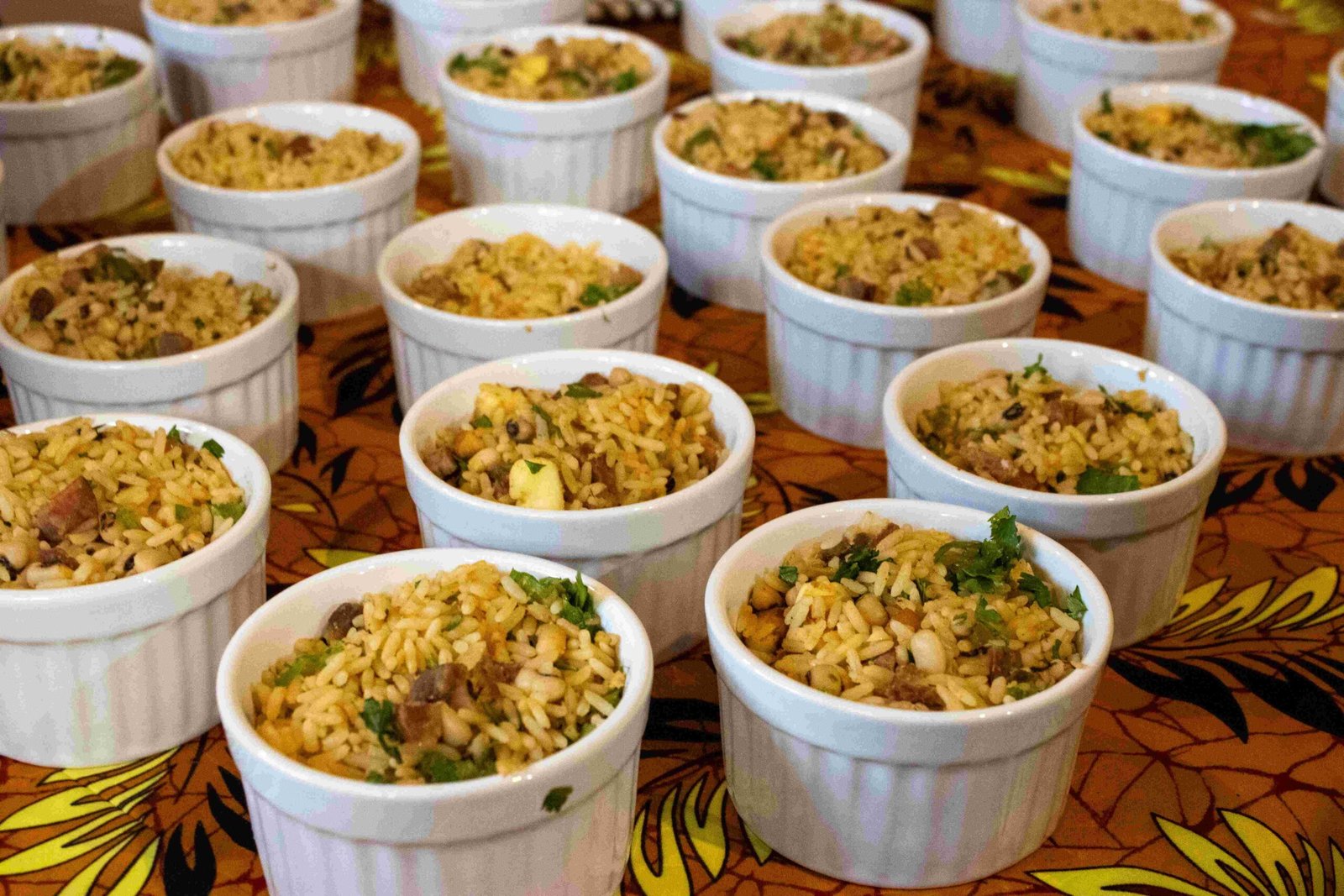
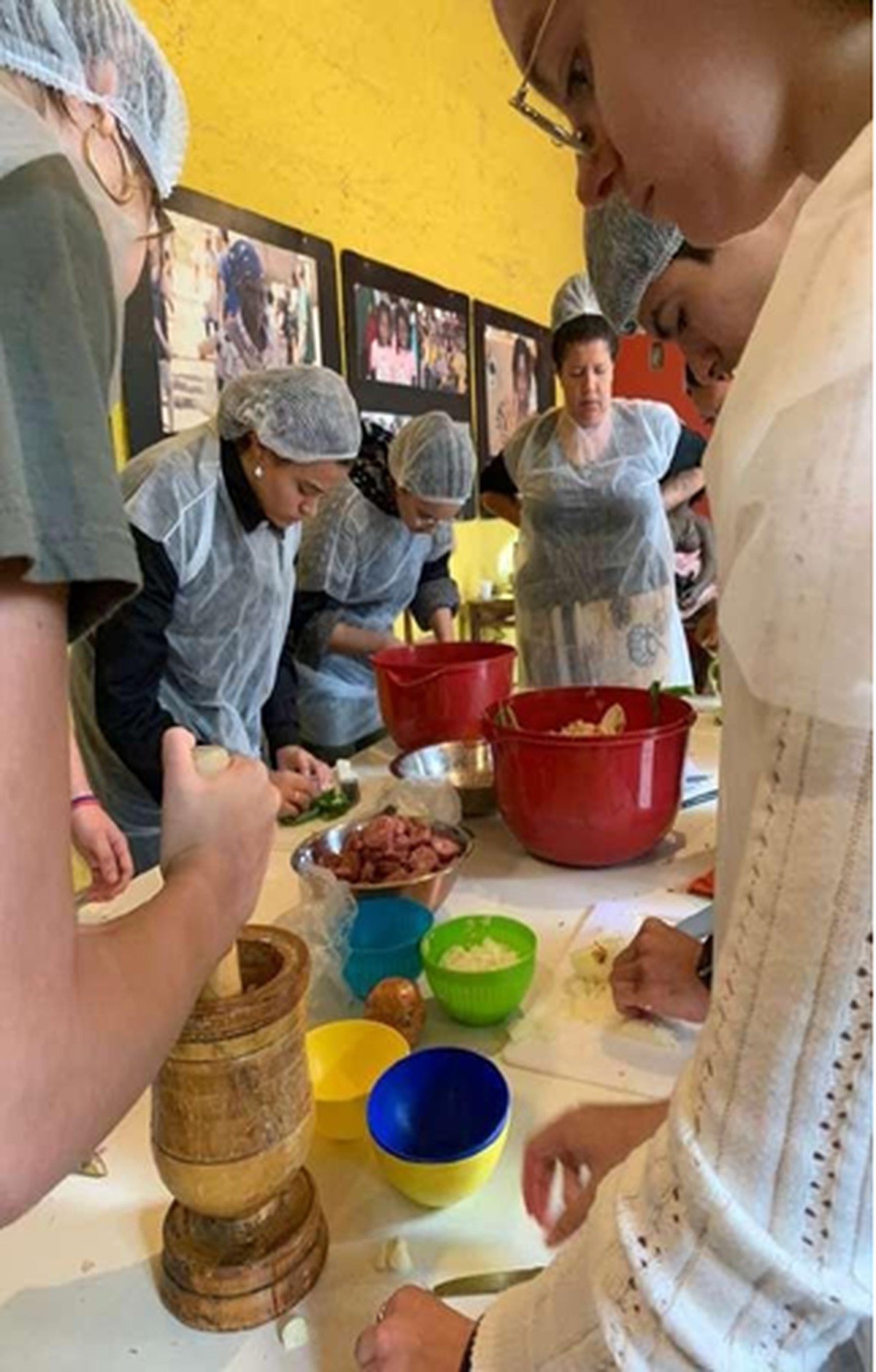
Supported by São Paulo’s VAI Program 2025/26, Sabores do Tempo centers what it calls the gastronomy of affection — a strategy for community empowerment, especially among women from peripheral neighborhoods who have historically used the kitchen as a tool for autonomy and income. By creating these spaces, the project links personal and collective experiences, turning the kitchen into an environment for education, memory, and mobilization.
At the end of the cycle, a collaborative booklet will be produced with the content and reflections developed throughout the activities, extending the reach of these conversations to other communities.
About Coletiva Tempero de Oyá
Founded in 2015 in Perus, the Coletiva Tempero de Oyá was born as a tribute to the garden of Dona Iracema and the ancestral connections to Iansã. Since then, it has developed programs that unite cooking, memory, and education — through workshops, courses, meal distribution, and community initiatives. In 2024, the project hosted the Massachusetts Institute of Technology (MIT) for a meeting on the history of Afro-Brazilian food culture.
The kitchen stops being just a place to prepare food and becomes a space for education, memory, and community mobilization.
Event Info
- Project: Sabores do Tempo – Connections Between Knowledge and Practice
- Organizer: Coletiva Tempero de Oyá
- Next event: April 18, 2026 (Saturday), 3 PM — Conversation Circle “Food Racism,” with Dani Souza
- Venue: Quilombaque Cultural Community — Tv. Cambaratiba, 05 – Perus, São Paulo – SP, 05202-010
- Admission: Free. Registration on site
- Accessibility: LIBRAS (Brazilian Sign Language) interpretation
- Instagram: https://www.instagram.com/temperode_oya/