Sidelined by white rice since colonial times, red rice is back on Minas Gerais tables — and three chefs are turning it into a symbol of memory and local identity.

From endangered ingredient to symbol of resilience
For decades, white rice dominated Brazilian tables and pushed other varieties toward oblivion. Red rice, a grain of Asian origin brought to Brazil by the Portuguese during the colonial period, adapted well to the country’s semiarid region — but was gradually abandoned due to lower productivity and market pressures.
Now it’s making a comeback in kitchens that value terroir, memory, and short supply chains. In the state of Minas Gerais, this movement is most visible in Belo Horizonte and in the village of Lapinha da Serra, driven by three chefs: Agnes Farkasvolgyi, Ju Duarte, and Marina Leite.
Research, memory, and a lasting commitment
Chef Agnes Farkasvolgyi‘s relationship with red rice began roughly 20 years ago, through a research project with Slow Food focused on the Ark of Taste — an initiative dedicated to preserving ingredients at risk of disappearing.
It was the Portuguese who brought it here, but its origins are Asian. It adapted well to our climate, but was gradually replaced by white rice, which served the colonizers’ interests better. Agnes Farkasvolgyi, chef
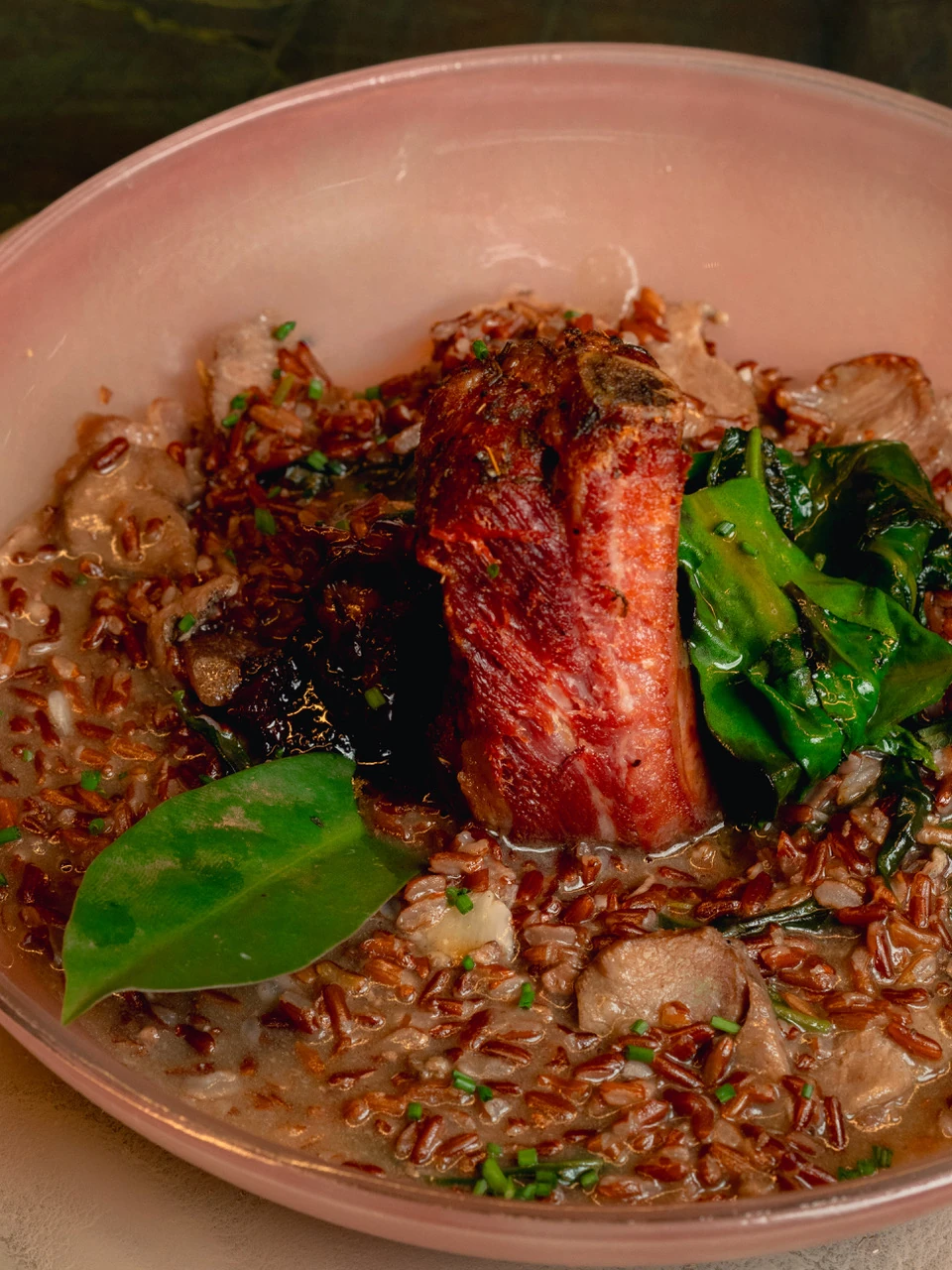
The grain’s firm texture won Agnes over, and it has been a fixture in her kitchen for about 15 years. In 2025, at the Minéra restaurant during Casa Cor, red rice anchored what would become her signature dish: a slow-cooked rice with pork cheek, smoked spare ribs, ora-pro-nóbis greens, and caramelized bacon. The recipe has since become a staple at her bistro and private events.
A grain with a story to tell
At Cozinha Santo Antônio in Belo Horizonte, chef Ju Duarte‘s path to red rice began with a historical question: why does rice occupy such a central place in Brazilian cuisine, when corn and cassava were the true dietary staples of the territory?
I see it as an ingredient that carries a story of resistance. Ju Duarte, chef at Cozinha Santo Antônio
Ju first encountered red rice in 2019, introduced by Tom Zé, father of chef Marina Leite of Casulo, who showed her the production happening in Lapinha da Serra. She later connected directly with farmers in Jaboticatubas. Her first time cooking with the grain was at the Festival Fartura, where she presented a reinterpretation of Mexeriboca — a dish documented by 19th-century British traveler Richard Burton, combining rice, chicken, pork, and beans.
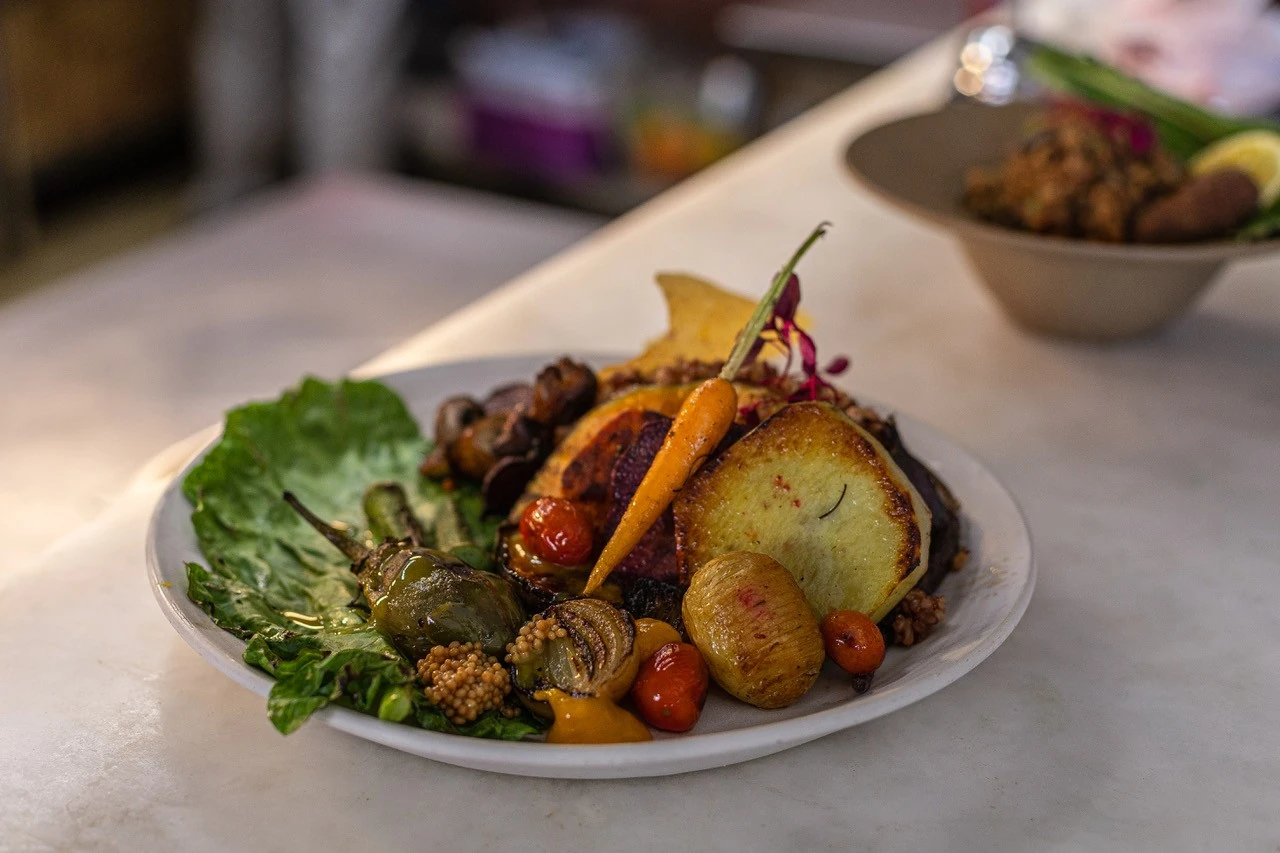
Today, red rice stars in her dish Terra à Vista (Land in Sight): rice cooked down in tomato, seasonal vegetables, and mushrooms. The plant-based recipe celebrates the grain’s nutty flavor and striking color, while its name nods to the idea of Brazil’s discovery.
Lapinha’s rice as identity
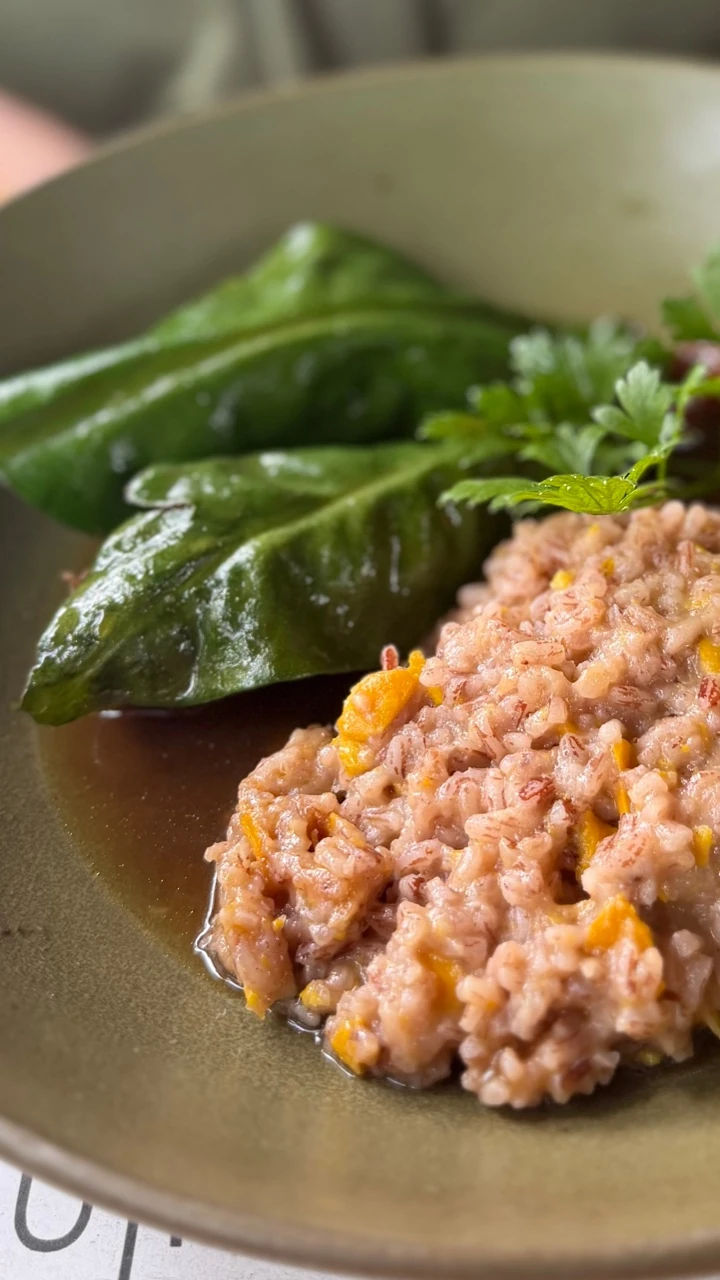
In the village of Lapinha da Serra, restaurant Casulo has placed red rice at the very heart of its concept. Chef Marina Leite, a risotto specialist, always wanted to work with the grain grown by traditional farming families in the community. The main challenge was technical: as a whole grain, red rice behaves very differently from Arborio.
At first, diners could choose between the two. Over time, Casulo began pairing local ingredients with red rice and imported products with Arborio. As the stories behind each dish were shared at the table, acceptance grew — until the team made a definitive call.
It was the moment to replace Arborio with our own ‘backyard rice’ — tastier, more nutritious, and the fruit of family farming. Marina Leite, chef at Casulo
Today, red rice is the foundation of Casulo’s menu. It anchors dishes built around local products, celebrates the identity of Lapinha da Serra, and stands as a direct counterpoint to industrial ingredients. More than a trend, its return reflects a growing movement to honor Brazilian produce and short supply chains — a path that reconnects field, kitchen, and city.
Where to go
A Casa da Agnes
Rua Paulo Afonso, 833 – Santo Antônio, Belo Horizonte
Lunch: Tuesday to Saturday, noon to 3 PM
Private events for up to 60 guests
Info and delivery: +55 (31) 98738-7066
Instagram: @acasadaagnes
Cozinha Santo Antônio
Rua São Domingos do Prata, 453 – Santo Antônio, Belo Horizonte
Tuesday to Friday, noon to 3 PM
Saturdays, Sundays, and holidays, 12:30 PM to 5 PM
Thursday and Friday evenings, 7 PM to 11 PM
Instagram: @cozinhasantoantonio
Casulo – Restaurant and experiences
Rua Olhos d’Água, 01 – Lapinha da Serra, Santana do Riacho
Open Tuesday to Sunday
Reservations: +55 (31) 98408-0368 | casulolapinhadaserra@gmail.com
Instagram: @casulolapinhadaserra
Photo: Press release