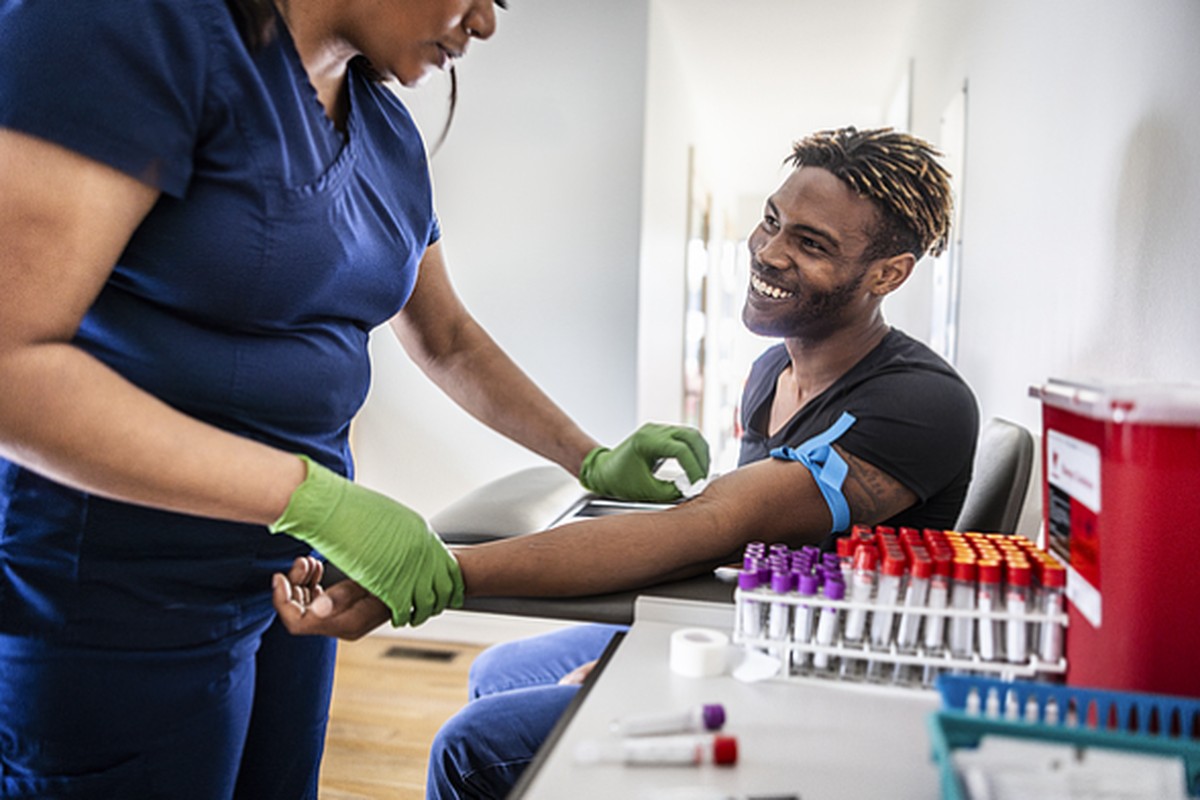
IBGE data shows 70% of Brazilians skip routine exams. A CEJAM specialist highlights the importance of medical check-ups at the start of the year.

With the arrival of 2026, health care usually tops many New Year’s resolution lists. However, data from the Brazilian Institute of Geography and Statistics (IBGE) reveal a worrying scenario: 70.6% of the population does not undergo regular medical check-ups. This neglect compromises the early diagnosis of diseases that could be managed or even prevented.
Dr. Felippe Scorsioni, a preventive physician at the Regional Hospital of Assis — a unit managed by CEJAM in partnership with the São Paulo State Health Secretariat — reinforces that periodic exams are fundamental pillars for longevity.
Essential exams for adults
Medical assessment should be personalized, but there are basic procedures recommended annually. According to the specialist, checking blood pressure is mandatory in every consultation.
“For adults, it is important to perform laboratory tests at least once a year, such as a complete blood count, fasting glucose, cholesterol and triglycerides, renal function evaluation, and liver function,” guides Scorsioni.
These tests allow for the identification of silent chronic diseases, such as hypertension, type 2 diabetes, and dyslipidemia. Screening is also vital for early detection of thyroid problems and various types of cancer, including breast, prostate, and colon cancer, significantly increasing the chances of a cure.
Post-holiday signs and mental health
After the year-end celebrations, the body may send warning signals such as excessive tiredness, rapid weight gain, and sleep disturbances. The doctor warns that stress and poor diet directly impact laboratory results, potentially causing glucose spikes and inflammatory processes.
Mental health is also part of this global assessment. During the consultation, the professional investigates symptoms of anxiety and depression, referring the patient to psychologists or psychiatrists when necessary.
Return to physical activities
For those planning to start or resume exercise in 2026, medical evaluation is indispensable to prevent injuries and cardiovascular events.
“We recommend a clinical evaluation, basic laboratory tests, an electrocardiogram, and, depending on age and training intensity, an exercise stress test,” concludes the doctor.
Photo: Getty Images