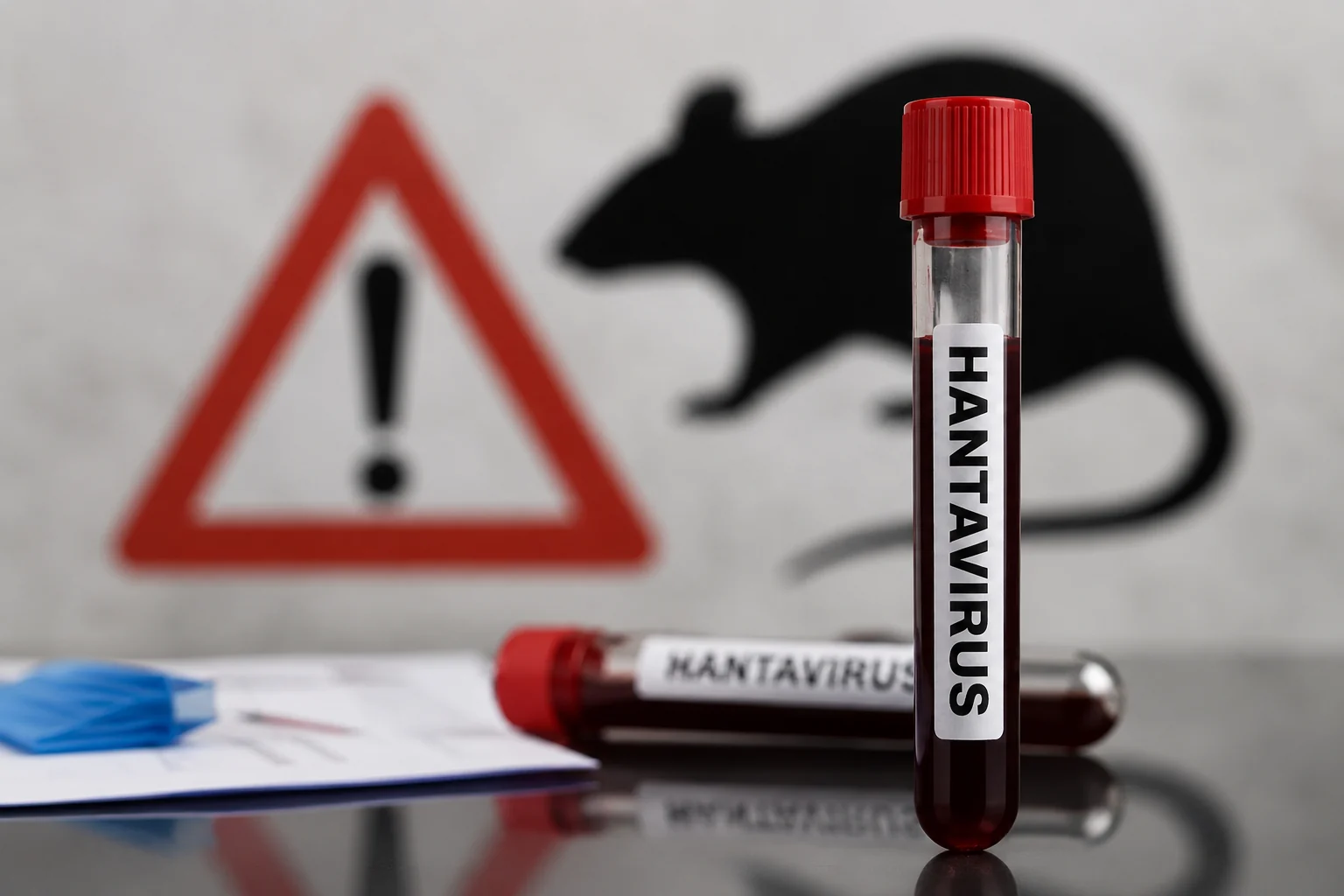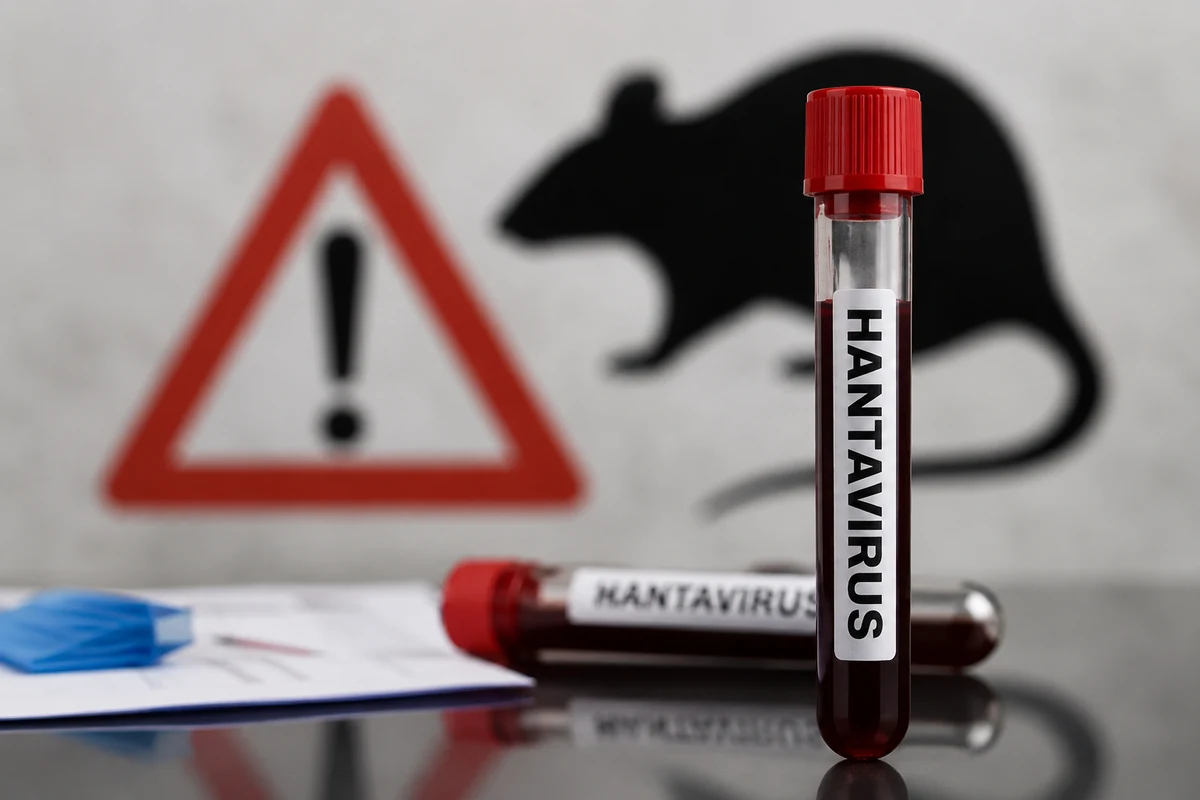
With a fatality rate of up to 40%, hantavirus can escalate from flu-like symptoms to fatal respiratory failure in hours — and there’s no specific antiviral treatment.
It starts like the flu — fever, fatigue, muscle aches. But for some patients, the clinical picture deteriorates fast. Within hours, fluid fills the lungs, blood pressure drops and breathing becomes impossible without medical support. Hantavirus, caused by viruses in the Hantaviridae family and primarily spread by wild rodents, has drawn renewed global attention following an outbreak on a cruise ship and sporadic confirmed cases in Brazil.
How the virus reaches humans
The most common route of infection is inhaling aerosols containing particles from the urine, feces or saliva of infected rodents. This typically occurs in poorly ventilated, enclosed spaces — barns, silos, basements or rural properties left unoccupied for extended periods.
Transmission can also happen through direct contact with contaminated surfaces, rodent bites, or — in rare cases — person-to-person contact. That last route is uncommon for most strains, but the Andes strain, found in Chile and Argentina, is known to spread between people through prolonged physical contact.
From flu symptoms to organ failure
The incubation period ranges from one to six weeks. Early symptoms — fever, exhaustion, nausea, diarrhea — are easily mistaken for a common respiratory infection. In severe cases, the disease progresses without warning into Hantavirus Cardiopulmonary Syndrome (HCPS): the virus increases vascular permeability, flooding the lungs with fluid and triggering acute respiratory failure.
The fatality rate is estimated between 33% and 40% even with intensive hospital care — and can be significantly higher without rapid medical attention.
No cure, only critical care
There is no specific antiviral drug or approved vaccine for hantavirus. Treatment is entirely supportive and carried out in the ICU: mechanical ventilation, blood pressure management and careful fluid balance. Early diagnosis remains the most critical factor in a patient’s chances of survival.
Prevention starts at home
Health authorities emphasize that prevention hinges on avoiding contact with rodents and their droppings. Key recommendations include keeping yards free of debris, sealing cracks and gaps in buildings and never dry-sweeping dusty areas in at-risk environments — that action disperses viral particles into the air.
Before cleaning spaces that have been closed for a long time, open windows and ventilate for at least 30 minutes. Always use wet cleaning methods with bleach or disinfectant, and wear gloves and a mask throughout.
Pandemic risk remains low
Despite its severity, the World Health Organization (WHO) and infectious disease experts consider the risk of a global hantavirus pandemic to be low. Unlike influenza or COVID-19, hantavirus does not spread easily in public spaces or through casual social contact. Transmission requires very specific, prolonged exposure — either to an infected person or directly to a rodent habitat.
Event Info
- If you suspect hantavirus infection, seek emergency medical care immediately
- Hantavirus is a notifiable disease — suspected cases must be reported to local health authorities
- More information: World Health Organization — www.who.int