
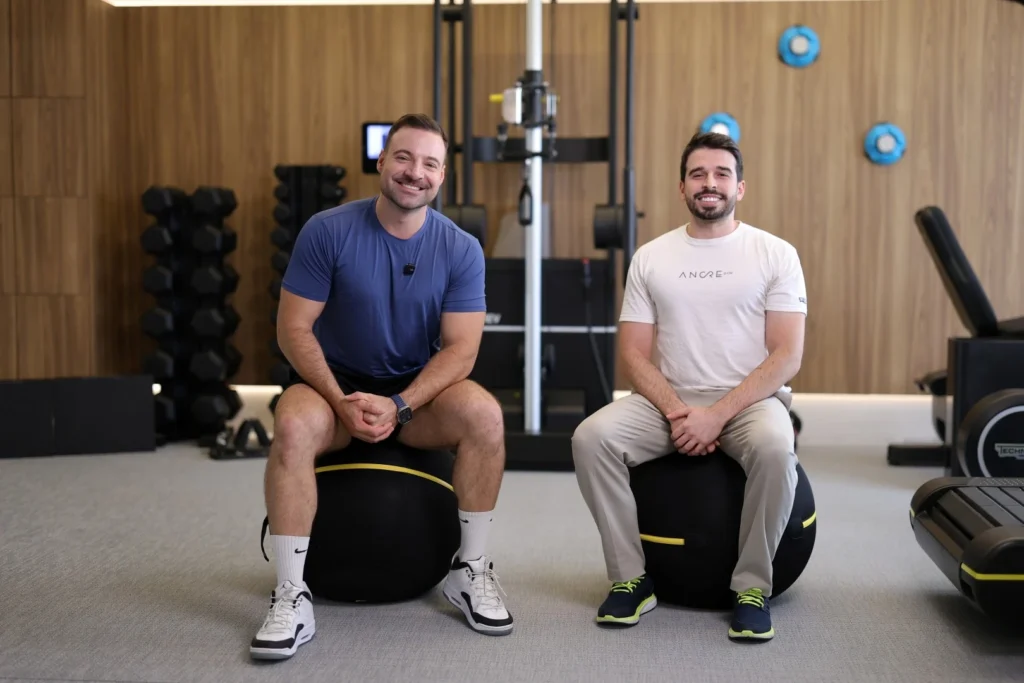
Studies show 20–30% of weight lost with semaglutide may be muscle. Experts warn against unsupervised use of GLP-1 medications.
The rise of GLP-1 weight loss drugs
The growing popularity of GLP-1/GIP receptor agonists — weight loss medications such as semaglutide and tirzepatide — is reshaping the way people approach obesity treatment in Brazil and worldwide. Promises of losing 10, 15, or even 20 kilograms within months have drawn a rapidly expanding user base. However, specialists warn that rapid weight loss without proper guidance can come with serious health consequences.
How these medications work
According to nutrologist Dr. Rennan Bertoldi, GLP-1/GIP analogs reduce appetite, increase satiety, and slow gastric emptying, resulting in significantly lower caloric intake. This mechanism creates a substantial energy deficit that, without proper nutritional support, can lead to fatigue, nutrient deficiencies, and declining health over time.
Weight loss induced by GLP-1/GIP analogs is not made up of fat alone. A significant portion can come from lean mass, and that demands close attention. — Dr. Rennan Bertoldi, nutrologist
The muscle loss problem
Recent studies indicate that between 20% and 30% of total weight lost by users of these medications may involve muscle tissue. This finding underscores the need for medical supervision, nutritional support, and guidance from a certified fitness professional throughout the treatment.
Henrique Noal, technical coordinator at Ancre Gym, notes that without a structured strength training program, the body simply does not prioritize preserving muscle mass during a period of significant caloric restriction.
Losing muscle is not just an aesthetic issue. It means losing strength, independence, and functional capacity — and that increases the risk of falls and injuries, especially in the long run. — Henrique Noal, technical coordinator at Ancre Gym
Strength training as a non-negotiable
Noal argues that anyone using GLP-1/GIP analogs must treat resistance training as a core component of the process — not an optional add-on. A well-structured program featuring progressive overload and compound movements is essential to signal to the body that lean mass must be preserved.
He also cautions against excessive aerobic exercise. Prolonged cardio sessions, combined with a caloric deficit, can accelerate muscle loss even further.
The dangers of unsupervised use
Dr. Bertoldi emphasizes that these medications should always be prescribed and monitored by a qualified healthcare provider, including regular assessments of nutritional status and body composition. Purchasing these drugs online without medical supervision significantly raises the risk of adverse effects.
When correctly indicated for patients with overweight or obesity, the benefits are clearly supported by scientific evidence. However, in every study, safety and good outcomes depended on a combination of structured diet and physical exercise. This reinforces that using the medication alone tends to yield worse results — including greater muscle loss. — Dr. Rennan Bertoldi, nutrologist
Quality of weight loss matters
Both experts agree: these medications can be a valuable starting point for people who struggle to begin their weight loss journey, but they are not a replacement for medical follow-up, nutritional support, and guided strength training.
True, sustainable results come from losing body fat while preserving muscle, strength, and quality of life — and that requires a team effort.
Photo: Disclosure
Gostou do nosso conteúdo?
Seu apoio faz toda a diferença para continuarmos produzindo material de qualidade! Se você apreciou o post, deixe seu comentário, compartilhe com seus amigos. Sua ajuda é fundamental para que possamos seguir em frente! 😊