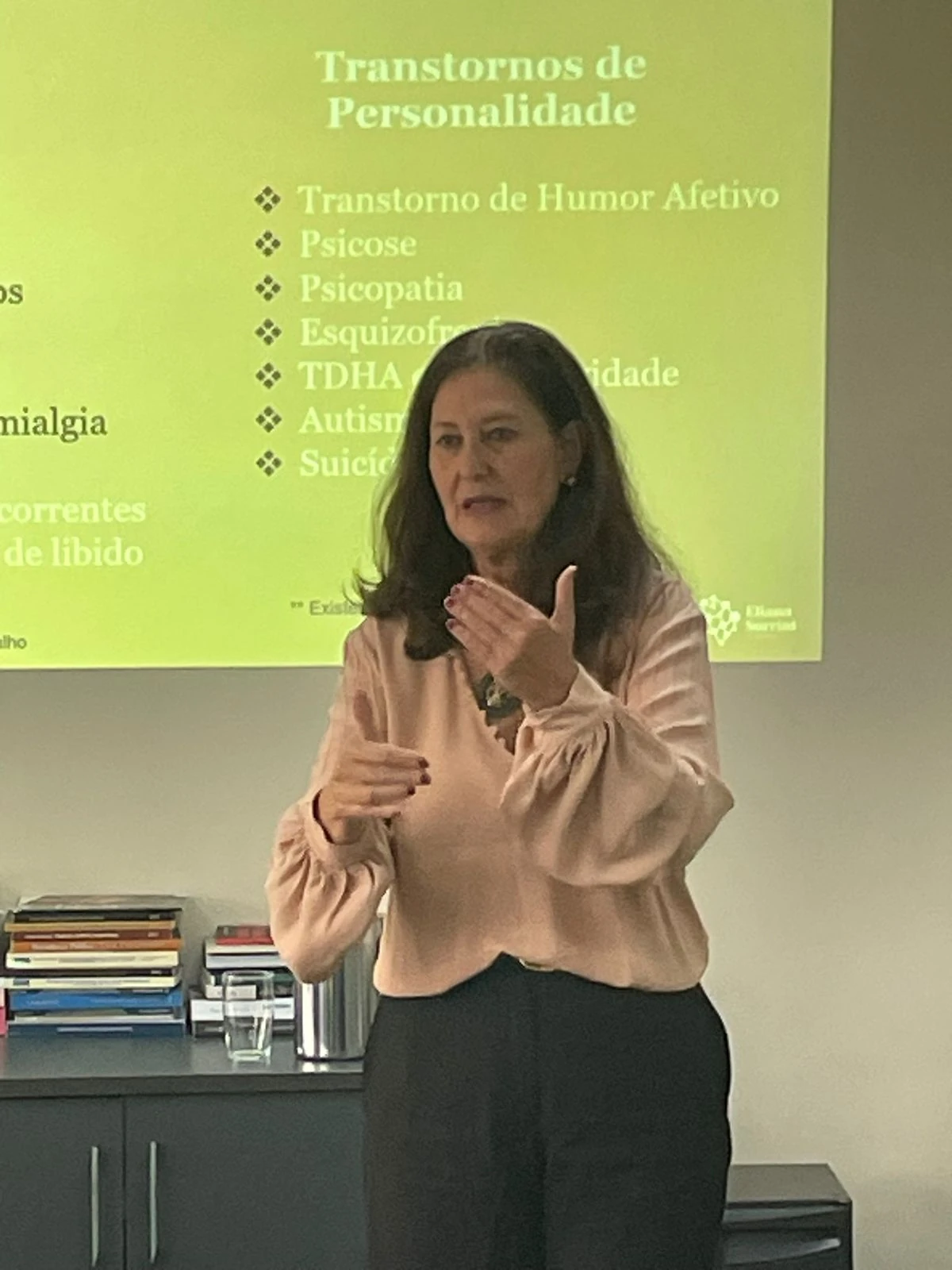
Brazil is the world’s most anxious country. Psychologist Eliana Sorrini reveals how toxic positivity is silently collapsing the workplace.

Brazil is globally celebrated for its Carnival spirit, warmth, and resilience. Yet behind the doors of its corporations, a starkly different reality unfolds. Recent data from the World Health Organization (WHO) and studies from the Institute of Psychiatry at the University of São Paulo (IPQ-USP) paint an uncomfortable picture: Brazil is the most anxious country in the world and the most depressive in Latin America.
The Cordiality Myth and the Performance Trap
Understanding this collapse requires looking at Brazil’s cultural roots. Historian Sérgio Buarque de Holanda described Brazilians as the “cordial people” — a term rooted not in mere politeness but in cor (heart). Brazilians are driven by emotion and affection, which in the workplace creates a culture where personal and professional boundaries blur easily.
Historically, joy was a survival tool for Brazilians. Over the past decade, however, that joy has been hijacked by what Sorrini calls a “tyranny of positivity.” Workers feel they have no right to be struggling. They perform Instagram-filtered happiness while facing aggressive targets and relentless connectivity — a cognitive dissonance that drains energy before the workday even ends.
From Physical Injury to Mental Collapse
In 1994, managers worried primarily about repetitive strain injuries (RSI). By 2024, the pain had shifted inward. Research from Unifesp shows that deteriorating labor relations and a lack of social support are eroding the resilience Brazilians once took for granted. The body healed; now it is the mind that is breaking.
Burnout, now formally recognized by the WHO as an occupational phenomenon (ICD-11), is not a personal failure. It is the symptom of management that ignores psychosocial risks. When an employee goes on government-mandated medical leave, they are not simply “tired” — they are evidence that organizational culture has failed in its duty to protect human capital.
Mental Health as Strategic Investment
As a strategic consultant, Eliana Sorrini is blunt with executives: mental health cannot be solved with yoga sessions or free fruit in the break room. These are band-aids on structural wounds. Genuine mental health management means identifying risk factors such as stress-driven leadership styles, workplace harassment, and lack of employee autonomy.
A single mental health-related absence costs a company, on average, three times the employee’s monthly salary. It is an invisible drain that erodes profit margins and destroys workplace culture. Healthy companies are, without exception, more profitable and more resilient over time.
We need to reclaim our joy — but it must be genuine, grounded in psychological safety and respect for human limits. It is time to stop masking symptoms and start treating causes. I invite managers, HR leaders, and decision-makers to engage with the evidence from ARTMED’s literature and clinical research to build a new path for work in our country. — Eliana Sorrini, Social and Occupational Psychologist and Strategic Mental Health Consultant
Photo: Press Release