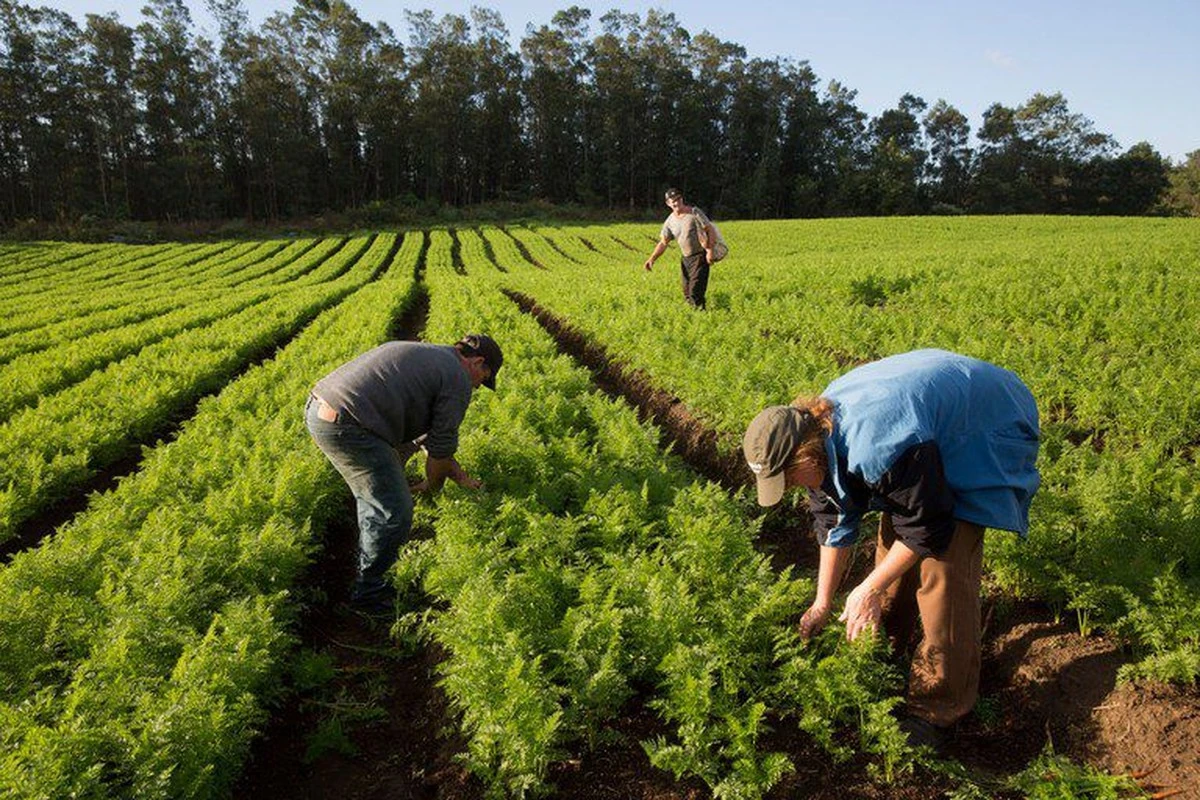
Rural microcredit hits R$338.7M in North and Midwest
Redação
In just one week, 1,084 families joined: rural microcredit has moved R$338.7 million and now totals 27,356 active contracts.
Rural producers, family farmers, traditional communities, and small-scale growers are renewing contracts under the Microcrédito Produtivo Orientado (MPO), a public policy coordinated by Brazil’s Ministry of Integration and Regional Development (MIDR) in partnership with Caixa Econômica Federal. Since its launch in December 2024, the initiative has moved R$338.69 million across the North and Midwest regions.
Contract renewals are a key driver of the program’s growth. In the first week of January alone, 1,084 additional families gained access to MIDR’s rural financing. With these new participants, MPO now totals 27,356 active contracts across the two regions.
On-time payment bonus can cut up to 40%
One of MPO’s strongest draws—within Pronaf (Brazil’s National Program to Strengthen Family Farming)—is its differentiated repayment conditions. The model offers an on-time payment bonus for beneficiaries who keep installments up to date, with discounts ranging from 25% to 40% depending on location and the activity financed.
In the North region, the discount can reach 40% of the contracted amount. In practice, that lowers the total cost of financing and encourages repeat borrowing for those who need to reinvest to grow production and income.
Cactvs expands access in low-banking areas
The program is implemented with the support of Cactvs, a payment institution accredited by Caixa and responsible for executing MPO in territories with limited banking presence. According to the release, Cactvs manages the full credit cycle, from outreach and beneficiary service to contract formalization, technical follow-up, and settlement.
Beyond financing, MPO stands out for ongoing technical assistance. Each producer receives support from Cactvs credit agents, who help plan how funds are used, structure investments, and track results, with an emphasis on economic efficiency and sustainability.
“Often the producer arrives intending to invest in a single item, but through dialogue we can structure a more balanced project—one that reduces costs, increases productive capacity, and improves income.”
The statement comes from Vlademir Junior, Cactvs’ microfinance coordinator in Pará. He argues that technical guidance is decisive for the program’s performance because it helps fine-tune priorities and avoid choices that raise costs over time.
He also highlights impacts beyond economics. “In different regions, especially hard-to-reach ones, guided credit has enabled solutions that address historical vulnerabilities, such as lack of electricity. Solar energy projects, for example, promote inclusion, improve production conditions, and bring more dignity to the families served,” he says.
By combining credit, technical guidance, and on-the-ground presence, the guided rural microcredit model is positioned as a strategic tool to strengthen family farming and expand financial inclusion across Brazil’s North and Midwest—executed in a way that matches the realities of those producing in rural areas.
Photo: Divulgação