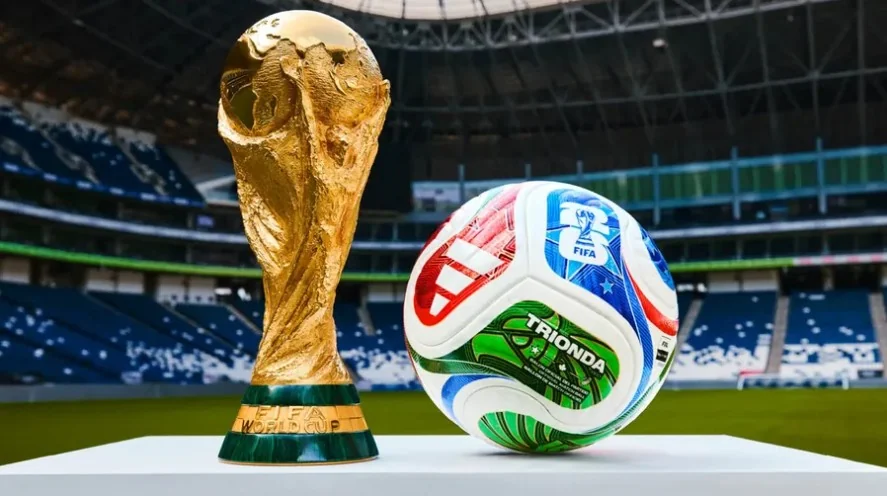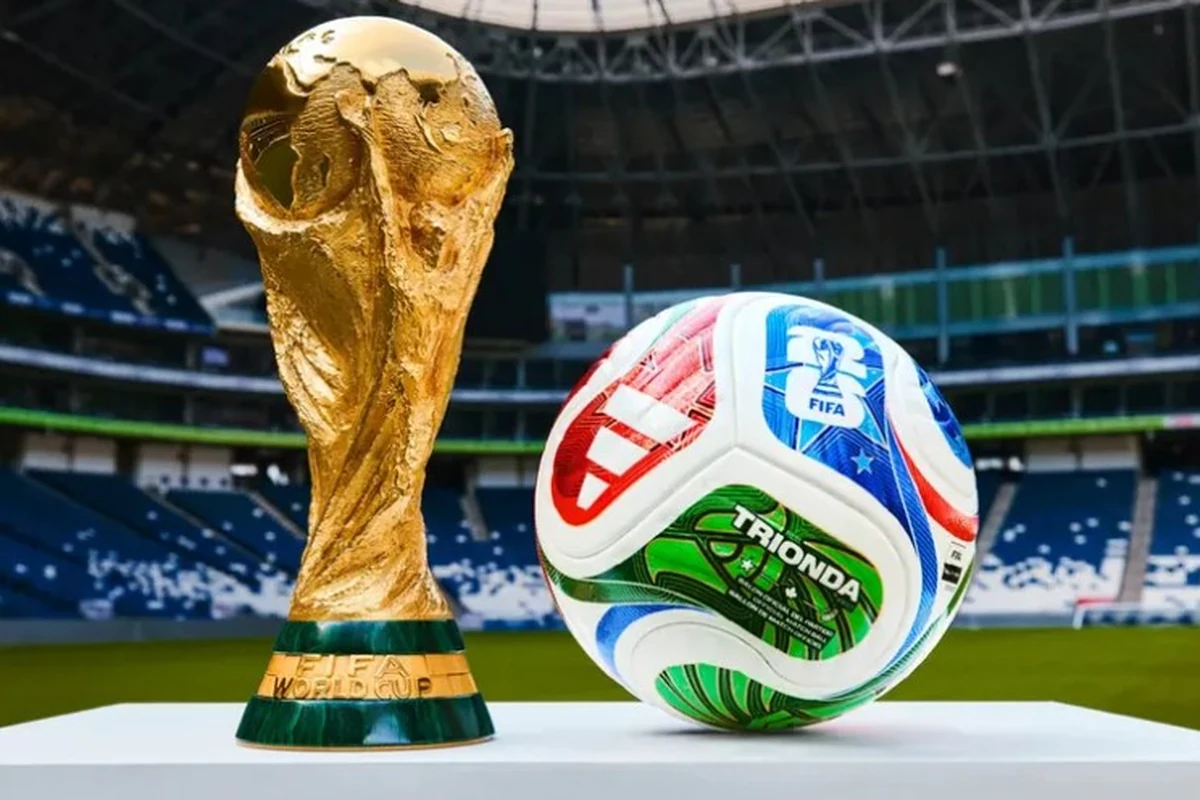
Before kickoff, World Cup 2026 is set to drive $10.5B in ad spend and reshape how brands measure impact and sales
The 2026 World Cup hasn’t started yet, but the battle for attention is already underway. With an estimated $10.5 billion in global advertising investment, the tournament stands as one of the most powerful media events worldwide.
However, the landscape has changed. Audiences are fragmented, consumption is digital, and measuring effectiveness is more complex than ever. For brands, that means rethinking everything.
Late entry costs more
Interest in the World Cup is already surging months ahead of kickoff. FIFA reported over 500 million ticket requests early on, while search trends and related consumption are rising steadily.
This early demand drives competition for premium ad inventory, pushing prices up and forcing brands to plan well in advance.
“The World Cup is no longer a concentrated media event. It’s a distributed attention ecosystem,” says Bruno Almeida, CEO of US Media.
Reach is no longer enough
With the potential to reach 6 billion viewers, the tournament highlights a key shift: reach alone doesn’t equal results anymore.
Consumers move across screens seamlessly. They watch games, engage on social media, search on mobile, and convert later — often elsewhere.
According to Data-Makers, 54% of Brazilian fans use multiple screens during matches, turning the experience into a continuous journey.
As a result, brands now focus on metrics like brand lift, purchase intent, and actual sales impact instead of just impressions.
“The question is no longer how many saw your ad, but how many moved forward in the journey,” Almeida explains.
TV leads, but can’t carry alone
Broadcast TV still dominates, with 85% of Brazilians watching matches that way, according to Kantar. Yet it no longer supports a full strategy on its own.
Audiences are split across pay TV (39%), streaming (31%), and social media (23%), requiring integrated campaigns.
While TV delivers scale, digital channels offer precision and measurement. Social platforms extend engagement, turning viewers into active participants.
Meanwhile, niche platforms and fan-driven ecosystems gain relevance by capturing audiences in emotionally charged moments.
Event Info
- Event: FIFA World Cup 2026
- Estimated ad spend: $10.5 billion globally
- Potential reach: Up to 6 billion viewers
- Key trend: Early audience growth and media fragmentation