The Cayo District represents Belize’s green heart and the country’s main hub for adventure, archaeology, and ecotourism. Unlike coastal areas and famous Caribbean cays, the region is located in western Belize, near the Guatemala border, standing out for its mountainous geography, preserved tropical forests, mighty rivers, and an impressive concentration of Mayan civilization vestiges [Divulgação/Belize Tourism Board].
More than a complement to Caribbean beaches, Cayo District reveals a Belize deeply connected to nature, ancestry, and conscious exploration, transforming the region into one of the most fascinating destinations in Central America [Divulgação/Belize Tourism Board].
San Ignacio and Santa Elena: adventure gateway
The cities of San Ignacio and Santa Elena form the region’s main urban center. Located about 108 kilometers from Belize City, San Ignacio is Cayo District’s largest city and connects to neighboring Santa Elena via Hawkesworth Bridge, a suspended bridge over Macal River considered the only such bridge in the country [Divulgação/Belize Tourism Board].
With ample adventure tourism accommodation, the region serves as a strategic base for exploring Mayan temples and western Belize cave systems. Beyond outdoor experiences, San Ignacio stands out for its welcoming atmosphere and diverse gastronomy, ranging from sophisticated restaurants to small family businesses and traditional market stalls [Divulgação/Belize Tourism Board].
Other unforgettable Cayo District destinations
Benque Viejo del Carmen: where history meets nature
Under the motto “Where history and nature meet”, this charming Spanish-influenced town sits just 1.5 km from the Guatemala border. Surrounded by rivers, small shops, and local restaurants, it offers a tranquil rhythm and authentic experiences for those seeking to slow down and explore the region’s daily life [Divulgação/Belize Tourism Board].
Belmopan: world’s youngest garden city
Founded in 1970 after a devastating hurricane, Belmopan is one of the world’s youngest and most tranquil capitals. Known as “Garden City,” it combines green areas and architecture inspired by Mayan culture. Beyond hosting Belize’s administrative and university institutions, the city occupies a strategic position for exploring natural reserves, underground rivers, and historical caves [Divulgação/Belize Tourism Board].
Key attractions include Market Plaza and Independence Plaza, where the National Assembly building stands, designed as a reference to a Mayan temple [Divulgação/Belize Tourism Board].
Mayan world archaeological treasures
Cayo District is Belize’s primary destination for travelers interested in pre-Columbian history. The region harbors some of Central America’s most important Mayan settlements [Divulgação/Belize Tourism Board].
Caracol: Belize’s largest archaeological zone
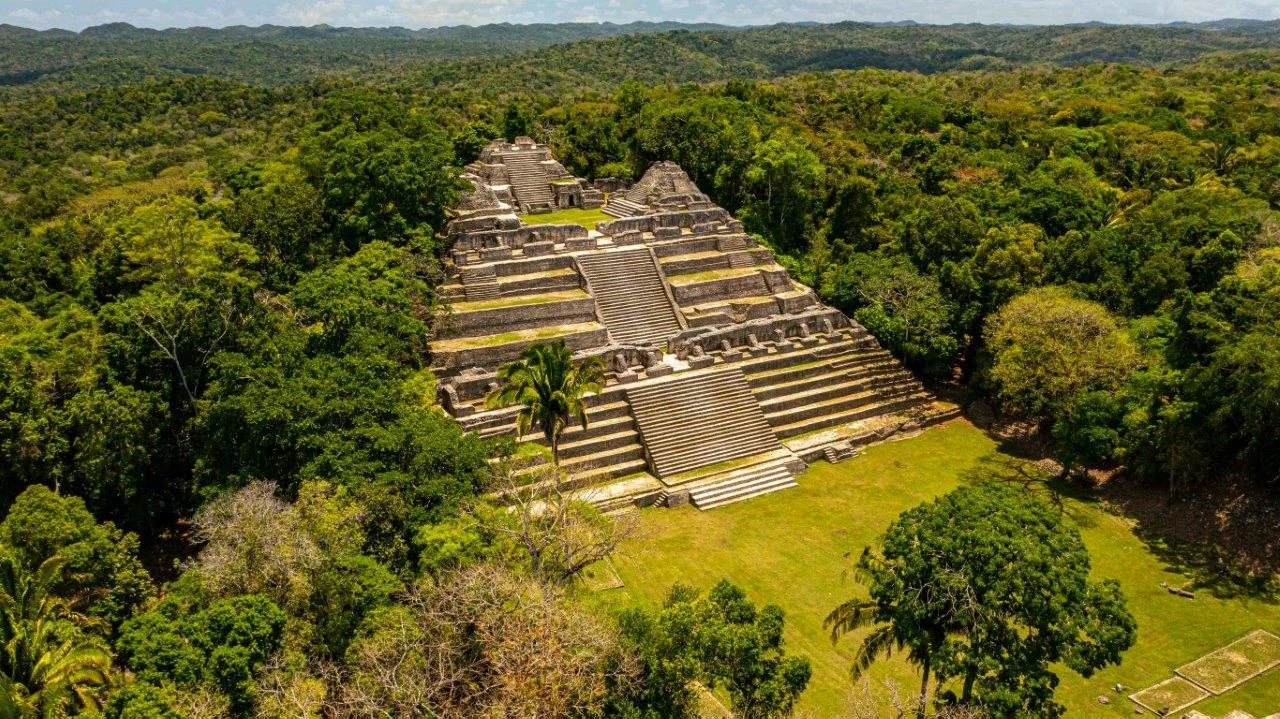
Located inside Chiquibul Forest Reserve, Caracol is Belize’s largest archaeological zone, covering about 10,000 hectares. The complex features a sophisticated agricultural system and advanced urban planning for its time. Its main structure, Caana (“Sky Palace”), remains one of the country’s tallest constructions. During its political peak, Caracol reportedly housed nearly 100,000 inhabitants [Divulgação/Belize Tourism Board].
Xunantunich: Mayan city on a hill
Erected on a hill in San José Succotz village, the ancient Mayan city is accessed after crossing Mopán River via a manual ferry. Its main structure, El Castillo reaches about 40 meters high and stands out for stone-sculpted friezes. On clear days, you can spot Guatemala and Mountain Pine Ridge Forest Reserve areas [Divulgação/Belize Tourism Board].
Cahal Pech: panoramic views over San Ignacio
Situated on a hill overlooking San Ignacio and Santa Elena, this archaeological site was an important Mayan ceremonial center. The location gathers temples, palaces, and a ball game court, plus offering panoramic views of Belize River valley. It also holds great historical relevance for vestiges of the region’s earliest Mayan settlements [Divulgação/Belize Tourism Board].
El Pilar: excavation ongoing
With dimensions up to three times larger than Xunantunich, El Pilar remains under archaeological excavation. The complex gathers ceremonial and administrative areas distributed across 15 plazas, indicating regional importance during the Late Classic period. Estimated to have been inhabited between 800 BC and 1000 AD, it reportedly housed more than 20,000 inhabitants [Divulgação/Belize Tourism Board].
Underground adventures and water experiences
The region’s limestone formation created some of Belize’s most impressive cave systems, uniting nature, Mayan spirituality, and adventure [Divulgação/Belize Tourism Board].
Actun Tunichil Muknal (ATM Cave): sacred cave
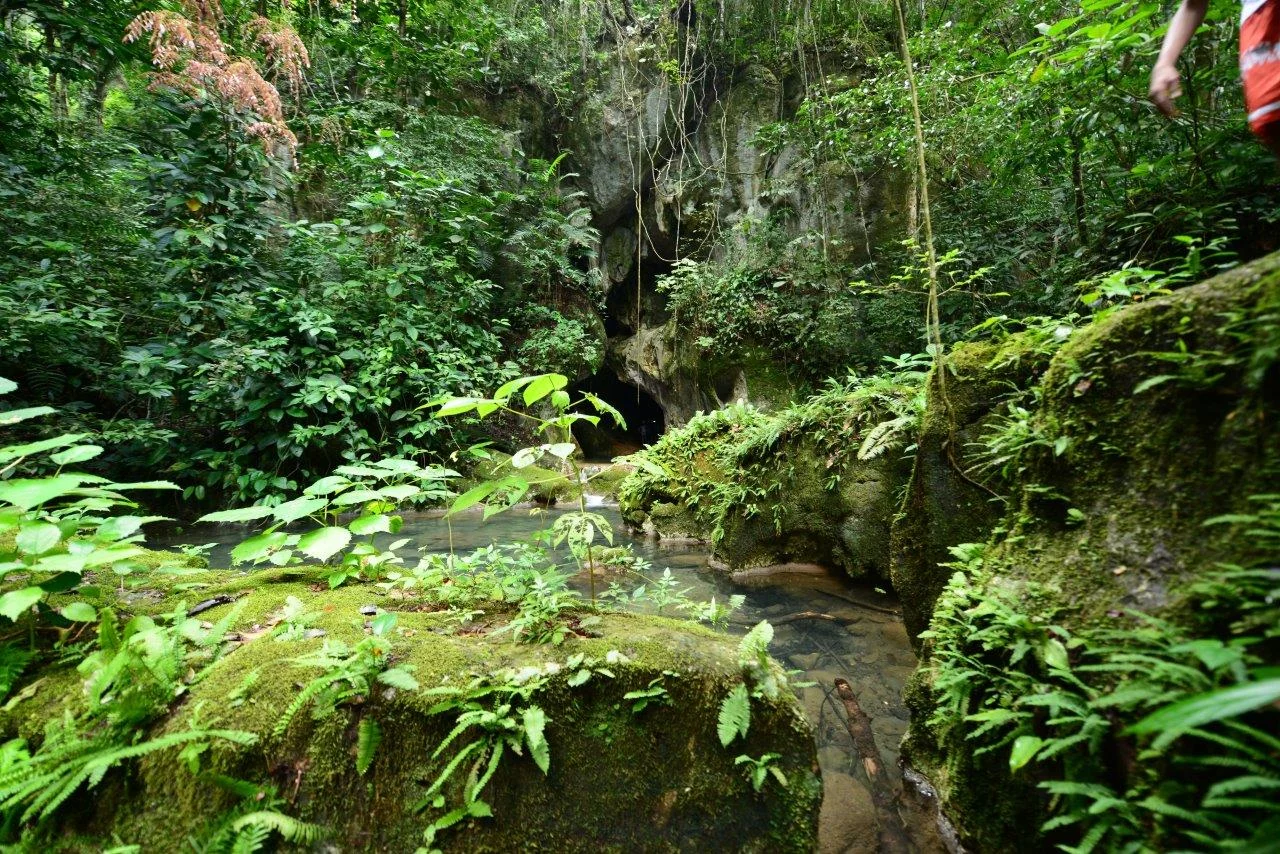
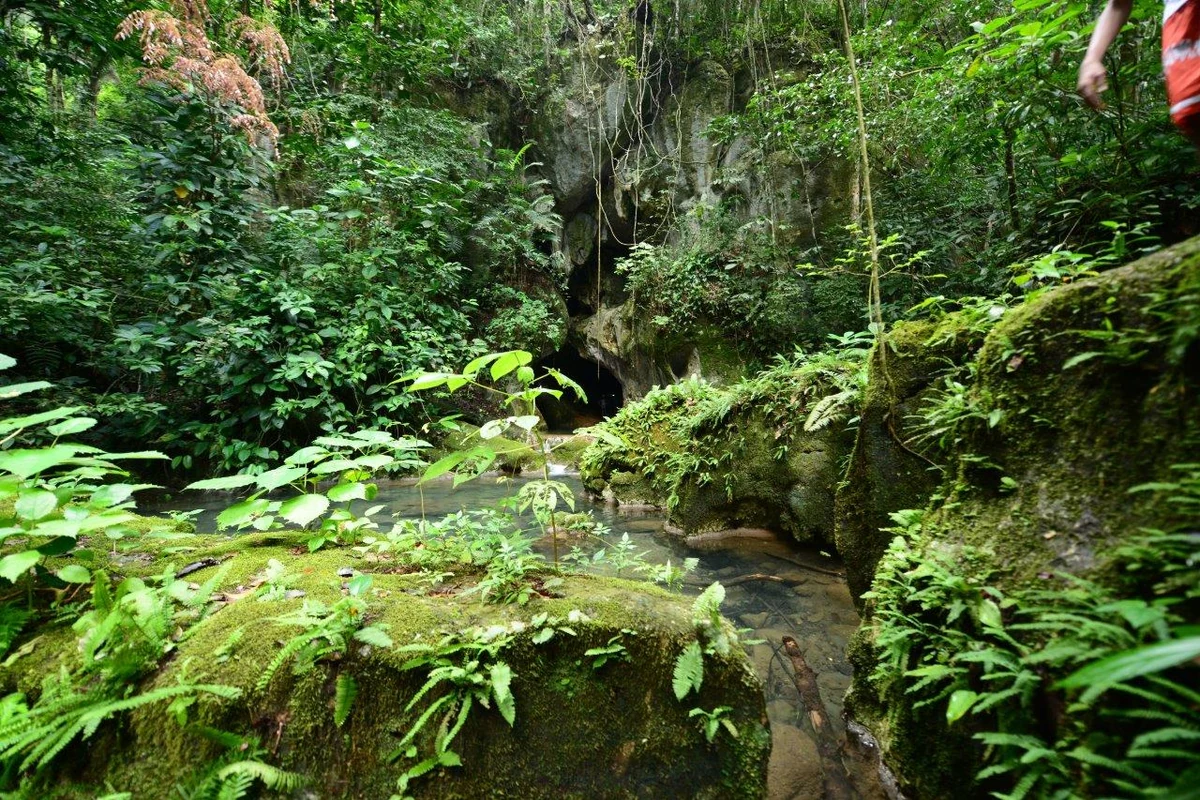
Considered one of the world’s most fascinating sacred caves, ATM Cave lies amid Belize’s forests. The tour combines trails, water crossings, and underground exploration, allowing observation of ceramics and human remains used in ancient Mayan rituals, including the famous “Crystal Maiden,” calcified skeleton of a teenager [Divulgação/Belize Tourism Board].
Barton Creek Cave: canoe exploration
Hidden in Mountain Pine Ridge region, the cave can be explored by canoe in a more contemplative experience among stalactites, rock formations, and Mayan archaeological vestiges [Divulgação/Belize Tourism Board].
Rio Frio Cave: accessible impressive system
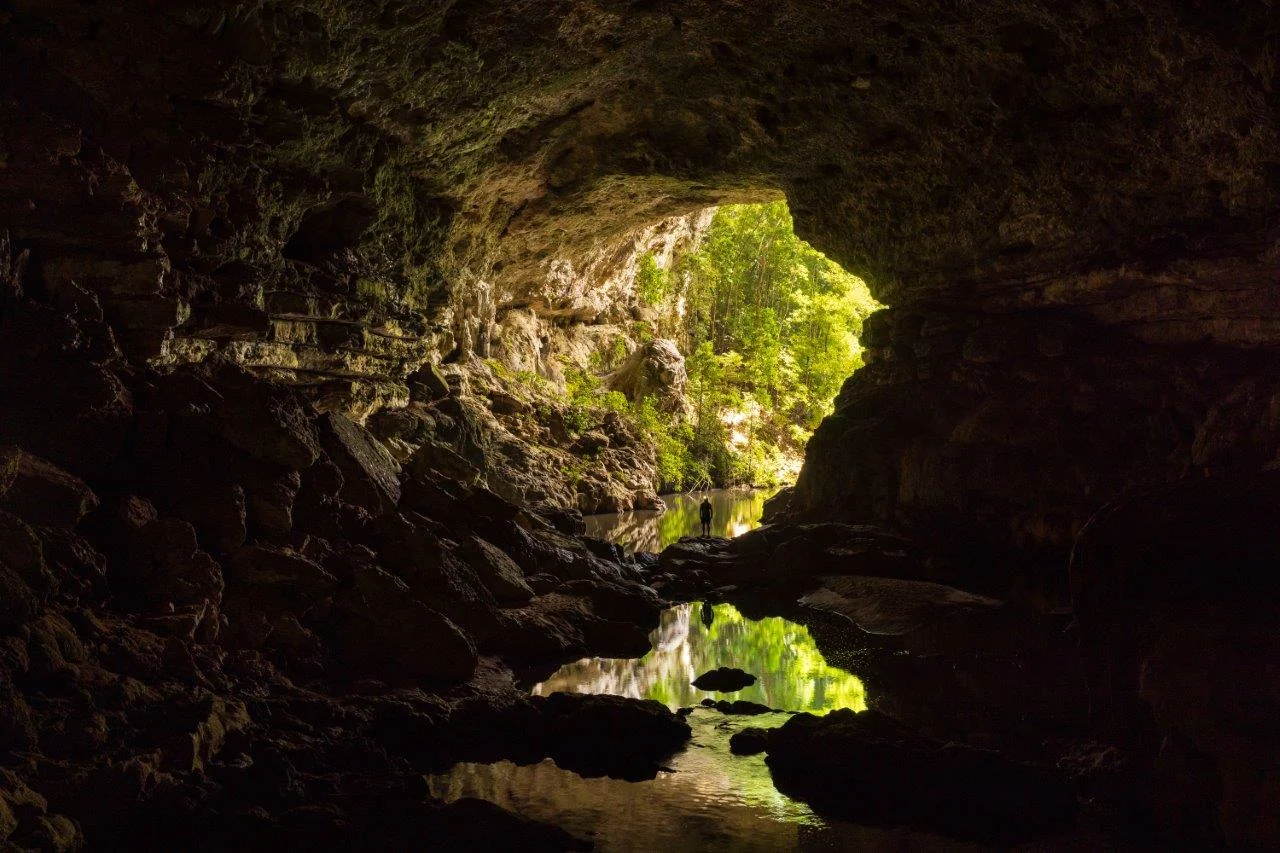
Considered one of Belize’s most accessible and impressive cave systems, it spans approximately 400 meters, plus natural pools, small waterfalls, and stalactite formations. Its monumental entrance, about 20 meters high, is an attraction alone [Divulgação/Belize Tourism Board].
Event Info
- How to reach San Ignacio: From Belize City or Philip S.W. Goldson International Airport, the journey takes about two hours by road via Western Highway (George Price Highway). Domestic air connections operated by local companies to Maia Flats airstrip also exist
- Flights from Brazil: Copa Airlines via Panama (company hub)
- Flights from United States: American Airlines (Miami and Dallas), United Airlines (Houston), Delta Airlines (Atlanta)
- Official website: https://www.travelbelize.org/br/