Sipadan caps daily entries to safeguard reefs and marine life, making diving in Malaysia one of Southeast Asia’s most sought-after experiences.

Surrounded by tropical waters from the South China Sea and the Celebes Sea, Malaysia offers some of Asia’s healthiest underwater scenery. Just as important, the country has been pushing more responsible travel across its marine hotspots. For travelers chasing world-class scuba and snorkeling, the payoff is vivid both on land and beneath the surface.
Diving in Malaysia: what sets Sipadan apart
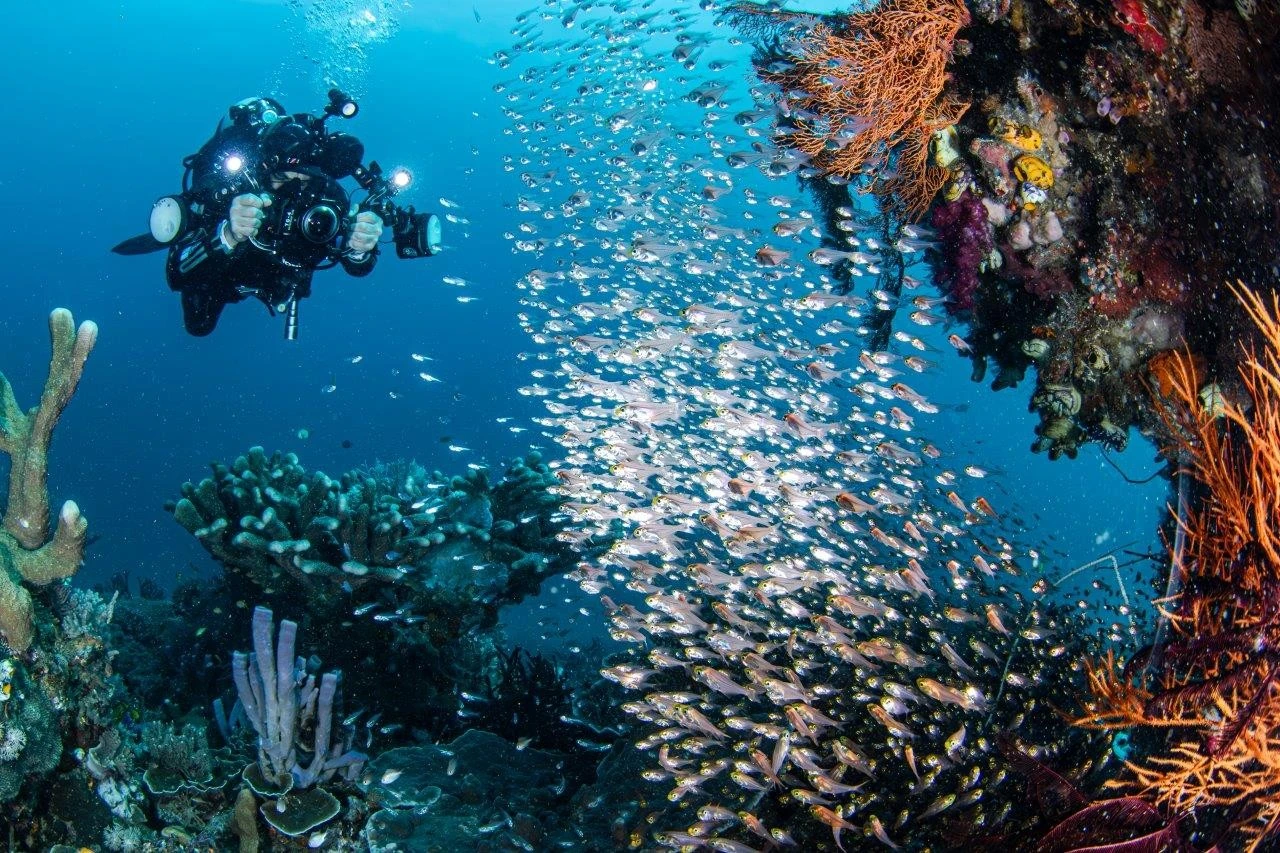
Off Sabah on Borneo, Sipadan is widely regarded as a top-tier dive site worldwide. Access is strictly controlled and highly protected, a model designed to keep its ecosystem resilient and its reefs thriving.
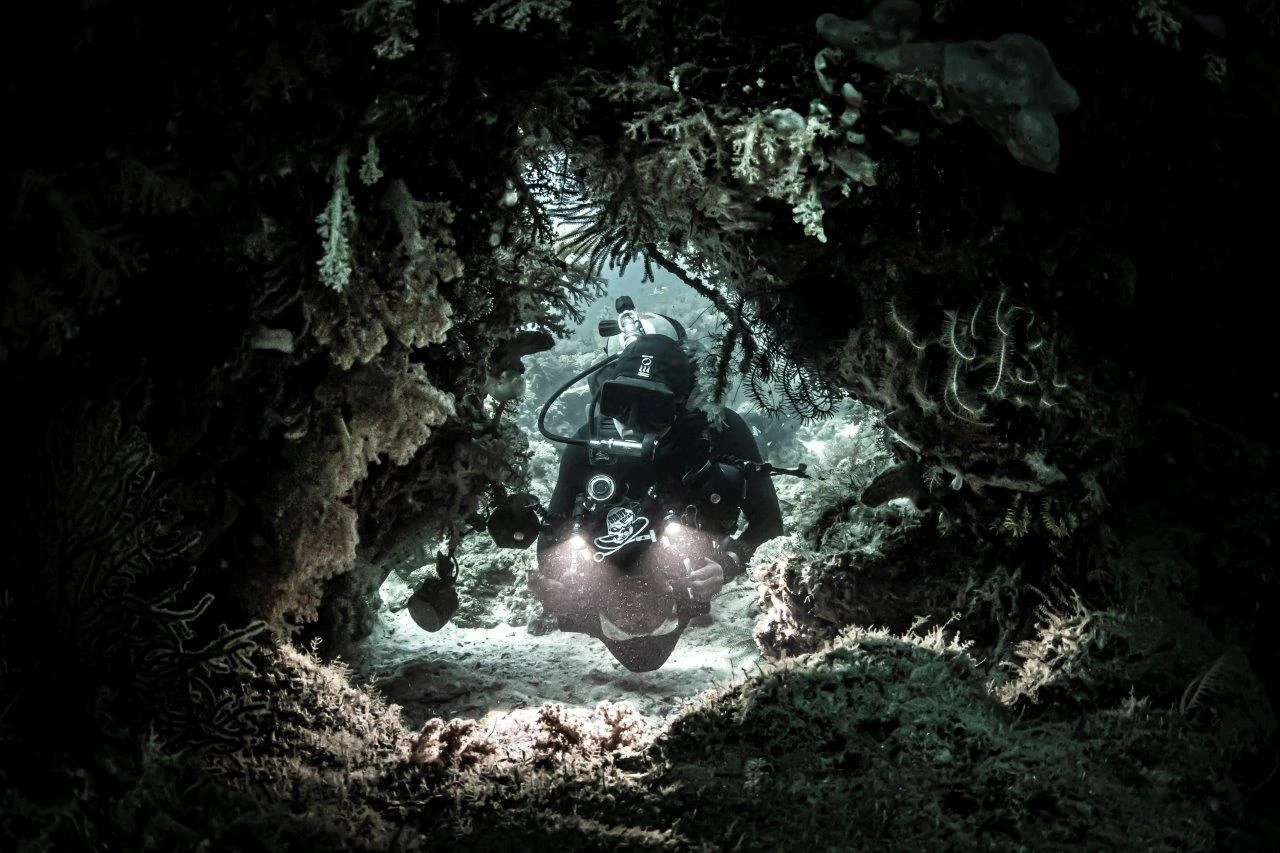
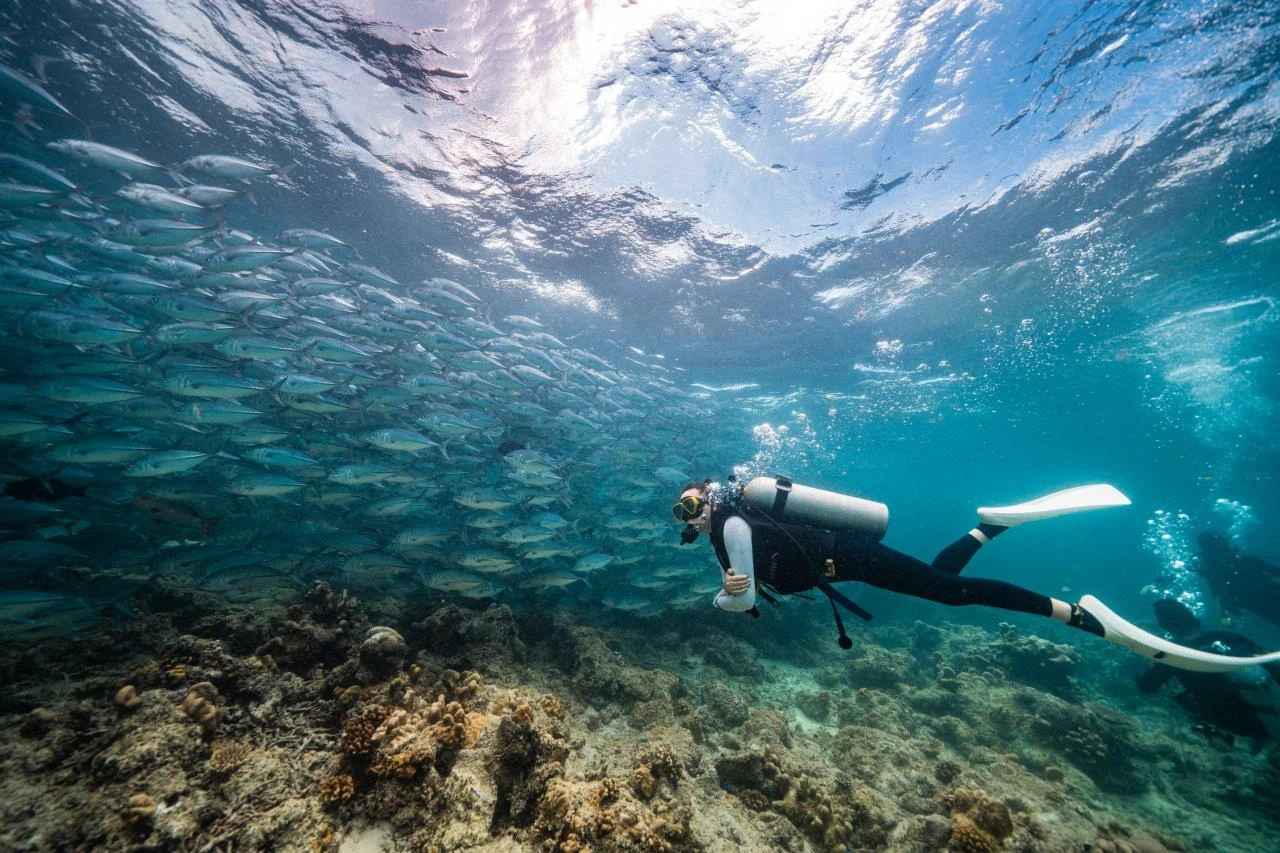
Vertical walls plunge hundreds of meters into deep blue water, creating dramatic drop-offs and dense marine activity. Divers commonly spot green and hawksbill turtles, barracudas, large jack schools, and bright corals. Daily permit limits also make the experience feel more exclusive for certified divers.
Mabul: snorkeling and macro life up close
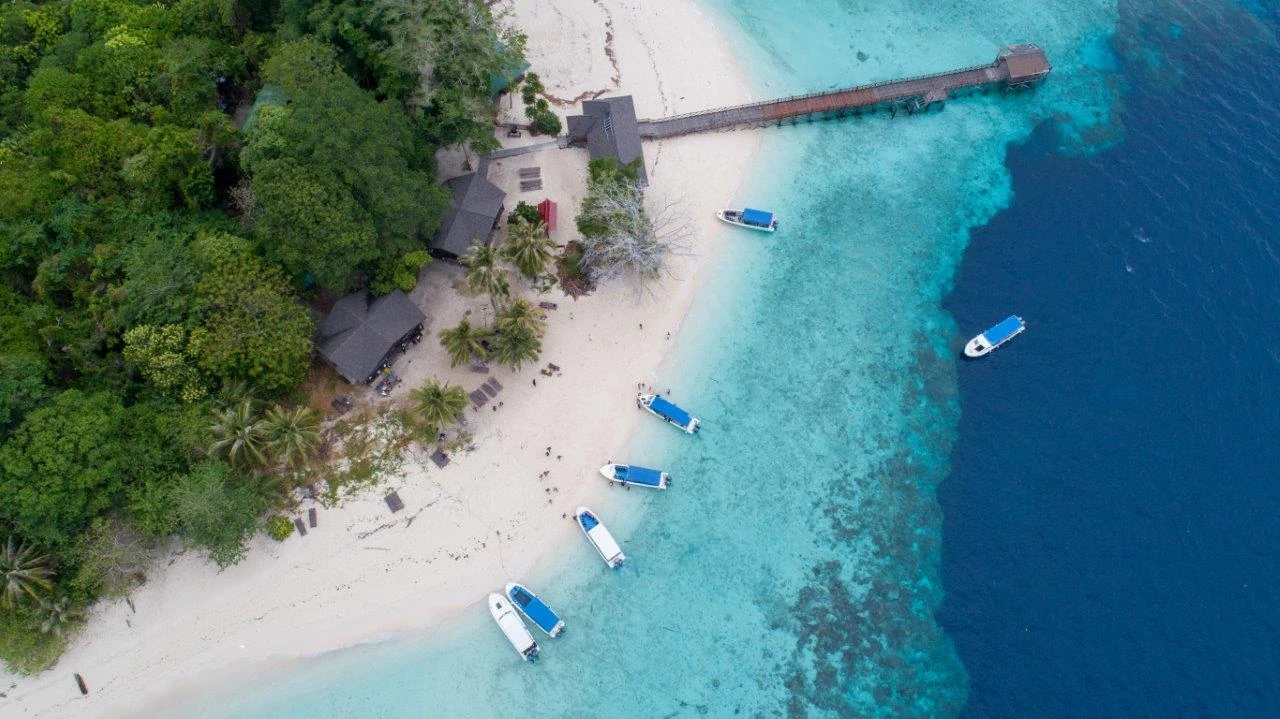
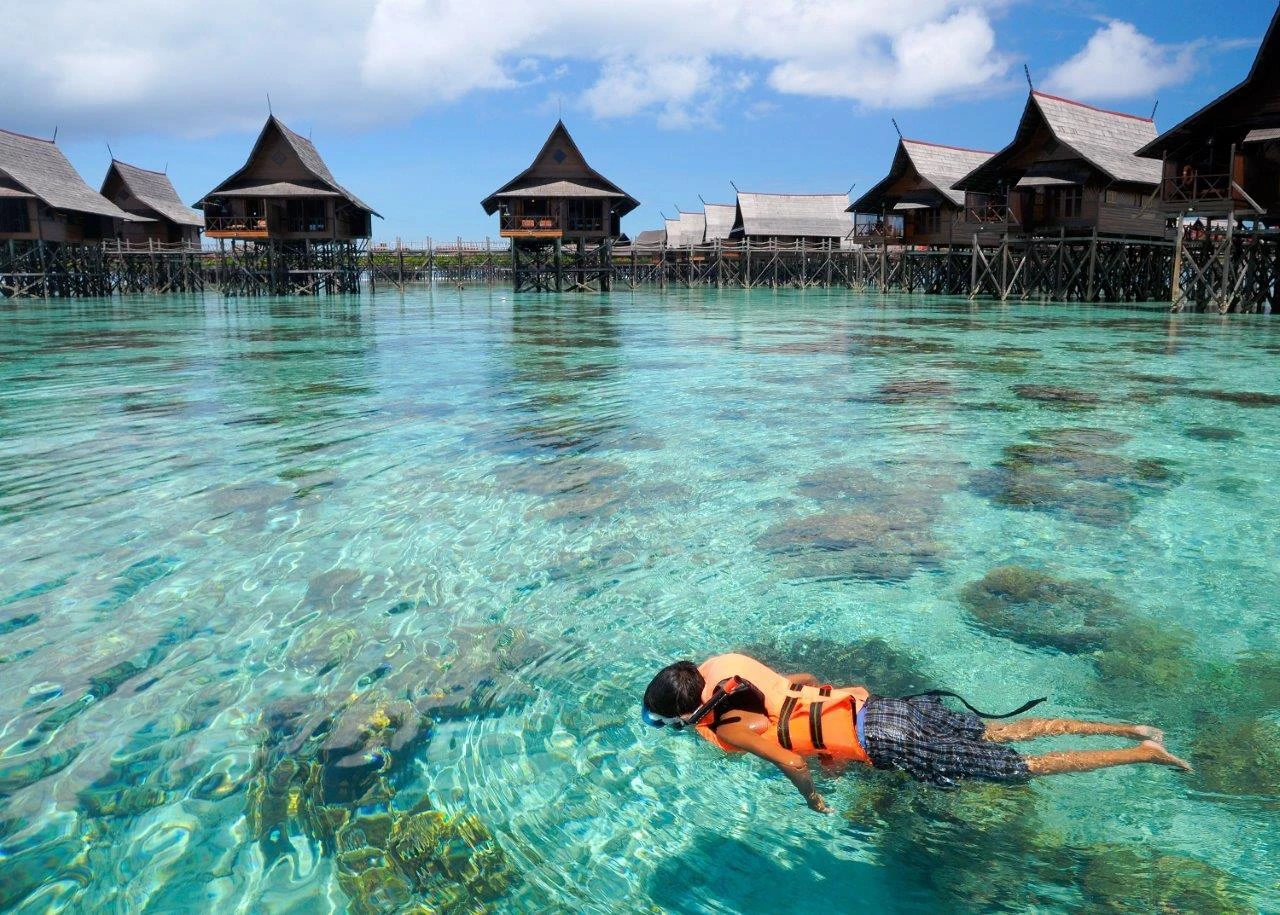
Very close to Sipadan, Mabul is ideal for snorkeling and for divers who love macro photography. Shallow reefs make it easier to scan the bottom slowly and notice tiny, intricate organisms that many destinations hide in plain sight.
Frogfish, seahorses, octopuses, and other small species turn each dip into a detailed exploration. In addition, the island is known for accommodation options that highlight sustainable practices and for its proximity to local communities, which can add a more grounded feel to the stay.
Redang: crystal-clear water in a marine park
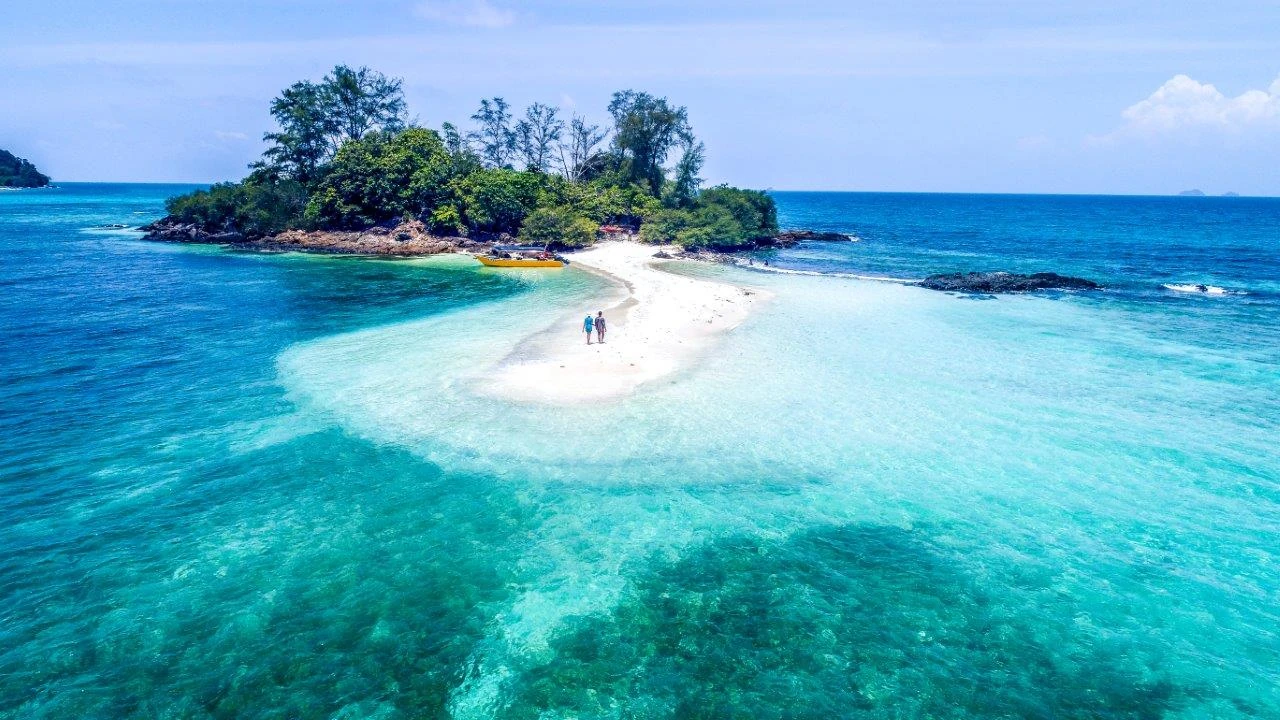
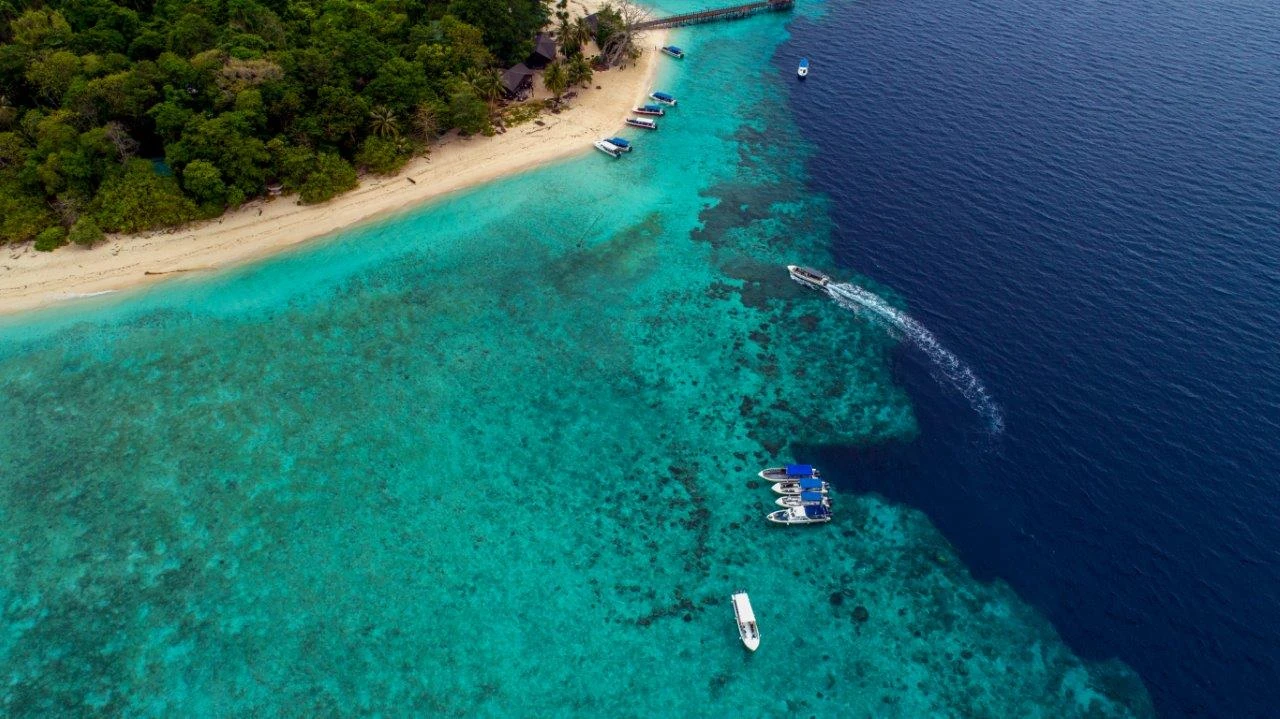
On Peninsular Malaysia’s east coast, off Terengganu, Redang belongs to a protected marine park made up of nine islands. Think turquoise water, white-sand beaches, and lively reefs suited to snorkeling and recreational diving, often with excellent visibility.
Because conditions can be approachable, Redang works well for first-timers and for anyone who wants easy reef time without complicated logistics. Hard and soft corals, tropical fish, and sea turtles help balance relaxation with genuine marine encounters.
Perhentian Islands: slow travel, strong marine life
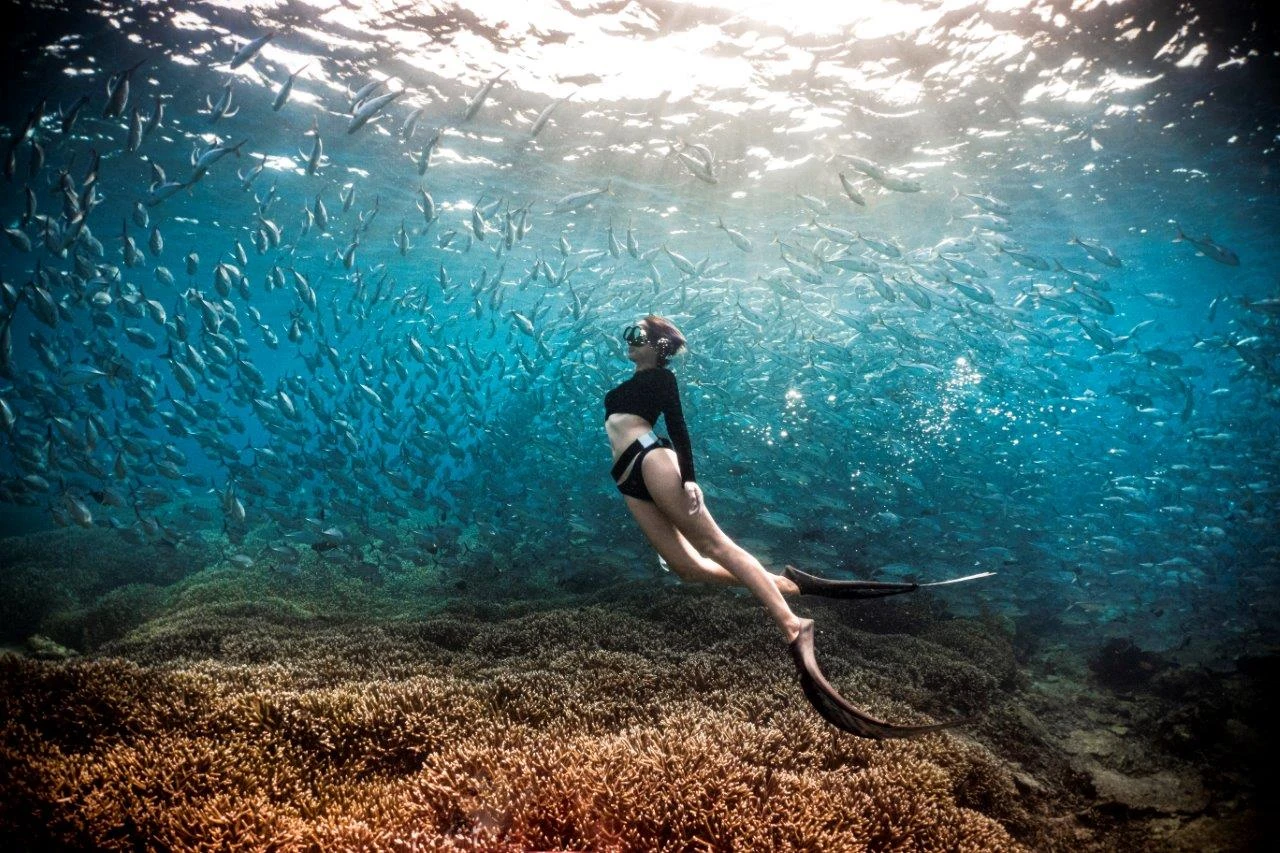
Also on the east coast, the Perhentian Islands are known for their laid-back vibe and rewarding sea life. Snorkeling straight from the beach can bring turtle sightings and swirling fish schools, while dive sites often feature well-kept reefs and gentle currents.
As a result, the area appeals to younger travelers, backpackers, and ocean lovers who prefer an unhurried connection with nature. Instead of big crowds, the focus stays on time in the water.
Sustainability: simple habits that protect reefs
Malaysia actively promotes responsible tourism across its marine destinations. Many islands sit within protected marine parks and encourage low-impact behavior that helps keep corals and wildlife healthy over time.
Common best practices include: never touching or stepping on corals; maintaining proper buoyancy while diving; using reef-safe sunscreen; not feeding or handling marine animals; and choosing dive operators committed to environmental conservation.
Service
Key destinations: Sipadan and Mabul (Sabah, Borneo), Redang Island (Terengganu), Perhentian Islands (east coast)
Activities: certified scuba diving, recreational diving, snorkeling, underwater macro photography
Responsible tips: don’t touch corals; control buoyancy; use reef-safe sunscreen; don’t feed wildlife; pick conservation-minded operators
More info: https://www.malaysia.travel/?utm_source=chatgpt.com
Photo: Handout