
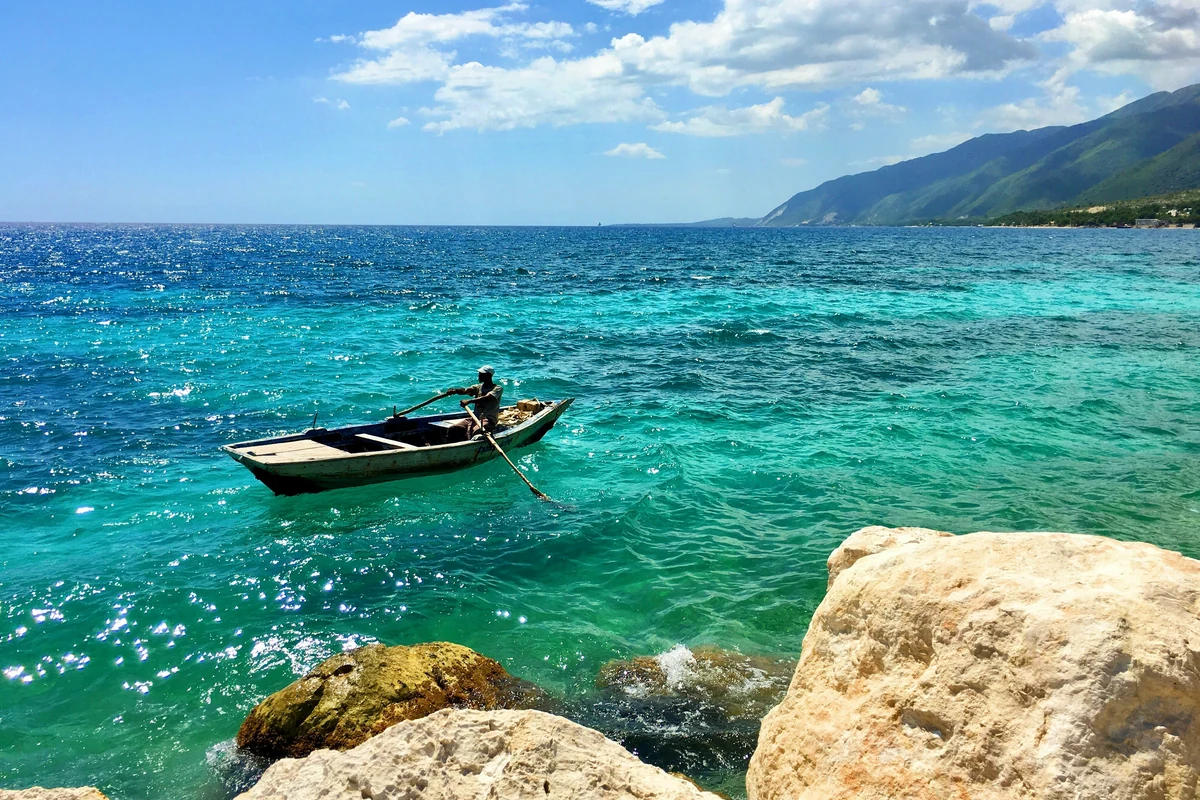
Haiti, Brazil’s next opponent in the 2026 World Cup, arrives with more than a football story. The Caribbean nation carries one of the most intense and symbolic histories in the Americas, shaped by revolution, resistance, and lasting global impact.
After a 1–1 draw against Morocco, Brazil returns to action this Friday (19) at Lincoln Financial Field in Philadelphia. On the other side stands a team playing only its second World Cup, more than 50 years after its debut in 1974.
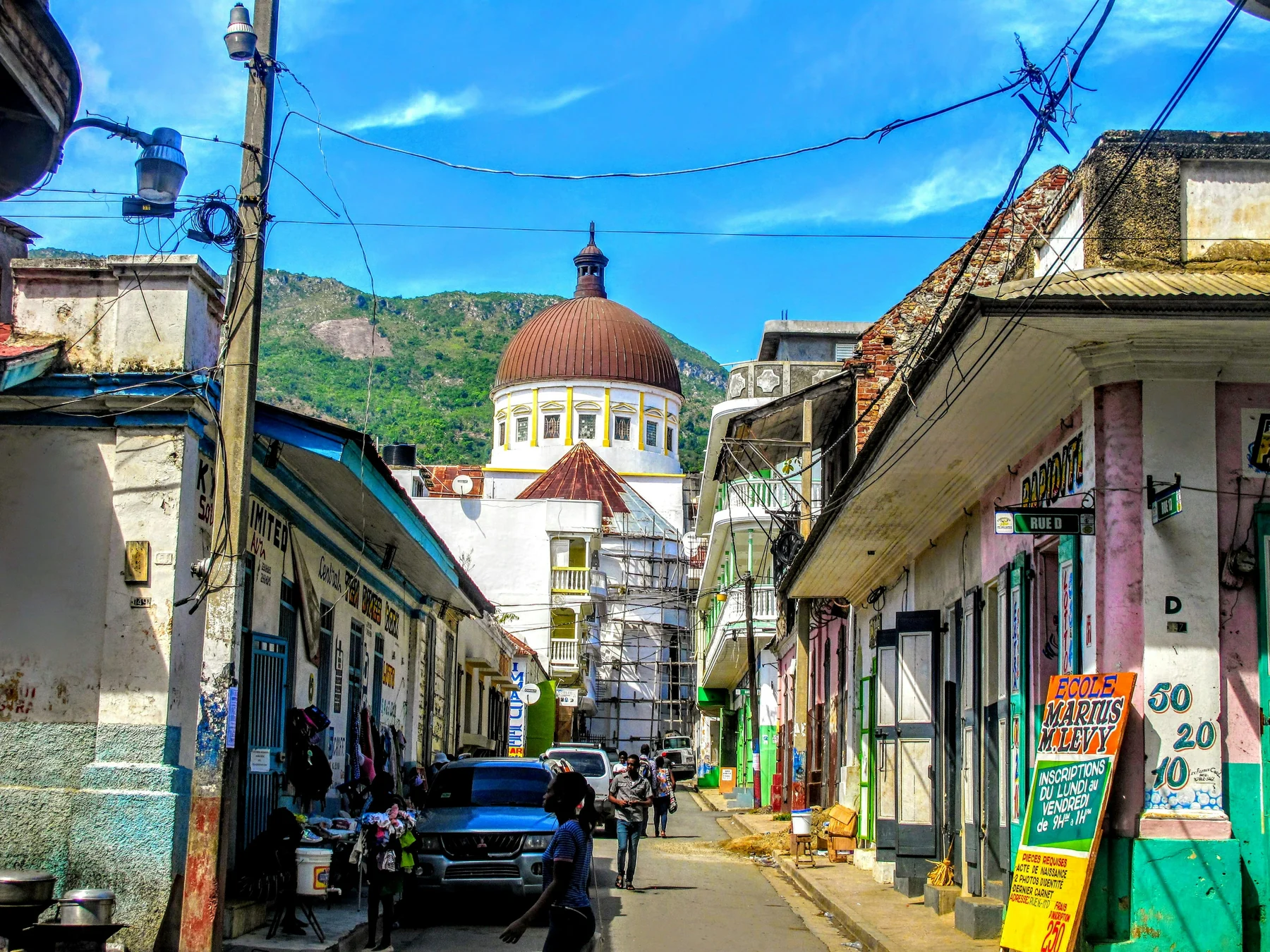
Beyond the pitch, Haiti reveals a country of striking contrasts. “This is a nation with deep layers of resistance, spirituality, and cultural identity,” says historian Juliano Costa.
Abolition that changed history
Haiti holds a unique place in global history as the first country in the Western Hemisphere to permanently abolish slavery. The process began in 1793 but was only solidified with independence on January 1, 1804.
The victory came at a cost. In 1825, after years of economic blockade, Haiti agreed to compensate France. The debt drained national resources for decades, limiting development in infrastructure, health, and education.
This historical burden resurfaced in April 17, 2025, when French President Emmanuel Macron announced a bilateral commission to assess its long-term impact, though no repayment has been promised.
A historic battle and a modern controversy
The past unexpectedly resurfaced during the 2026 World Cup when FIFA required changes to Haiti’s kit due to a graphic deemed political.
The image referenced the Battle of Vertières, fought on November 18, 1803, a decisive victory against Napoleon’s forces that paved the way for independence.
The design also sparked confusion online, with some mistaking it for Poland’s flag. Manufacturer Saeta clarified it depicted an early version of Haiti’s flag, adjusted for visual contrast.
Despite the misunderstanding, Haiti and Poland share a real historical link. Polish soldiers sent by Napoleon defected and joined Haitian revolutionaries, with many later granted citizenship.
From tragedy to connection with Brazil
In recent decades, Haiti has faced severe humanitarian crises driven by political instability and natural disasters. In 2004, the country hosted Brazil for the symbolic Peace Game in Port-au-Prince.
Featuring stars like Ronaldinho and Ronaldo, the match drew massive crowds and supported a disarmament campaign while Brazil led UN stabilization efforts in the country.
In 2010, a devastating earthquake killed more than 200,000 people, including Brazilian humanitarian Zilda Arns, strengthening ties between the two nations.
Between 2010 and 2024, over 186,000 Haitians entered Brazil, according to OBMigra and UNHCR, with 40,483 asylum applications recorded. Most were regularized through humanitarian policies.
As the teams meet on the field, the match also reflects a deeper story that extends far beyond football.
Leia também
- Haiti vai além do futebol e carrega história única
- Shoppings do Rio são opções gratuitas para assistir Copa com telão, samba e shows
- Arena Errejota terá samba, cerveja liberada e jogo do Brasil
- Arena Giappo transforma jogos do Brasil em festa no Rio