
Zermatt, Chamonix and Aspen top the winter wish list: Nomad reveals the 8 snow destinations Brazilians visit most for the 2025/2026 ski season.
As the planet heats up, the 2025/2026 ski season in the Northern Hemisphere is pulling Brazilians back toward classic snow getaways—whether for mountain sports, winter city breaks, or a clean escape from extreme temperatures. According to the World Meteorological Organization (WMO), a UN-related agency, 2025 ranked among the three hottest years on record when looking back 176 years. Research from the Copernicus Climate Change Service in partnership with Berkeley Earth also suggests 2026 should stay on a similar track.
Against that backdrop, fintech Nomad reports growing interest in international winter trips based on signals from its customer base, which now exceeds 3.5 million people. The company links the trend to stronger financial planning, easier access to global services, and a desire for travel that blends sport, leisure, and lifestyle.
The profile goes beyond skiing alone. Nomad highlights demand for full “winter experiences,” including high-end lodging, food and wine, shopping, and cultural activities—an approach that turns ski trips into broader premium vacations.
The 8 snow destinations leading the list
Nomad’s ranking brings together the cities it identifies as the most visited by Brazilians for ski travel, with Europe and North America dominating the list.
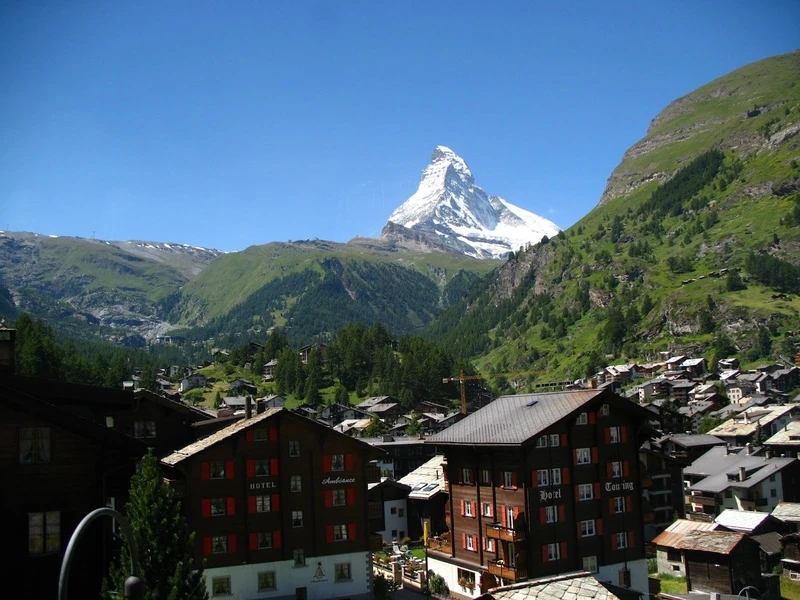
1. Zermatt (Switzerland)
Famous for the iconic Matterhorn, Zermatt is known for challenging runs that appeal to advanced skiers and a charming car-free village with refined dining. According to Nomad’s cost guide referenced in the release, a Switzerland trip can range from R$ 15.4k to R$ 69.1k, including flights, lodging, meals, and activities.
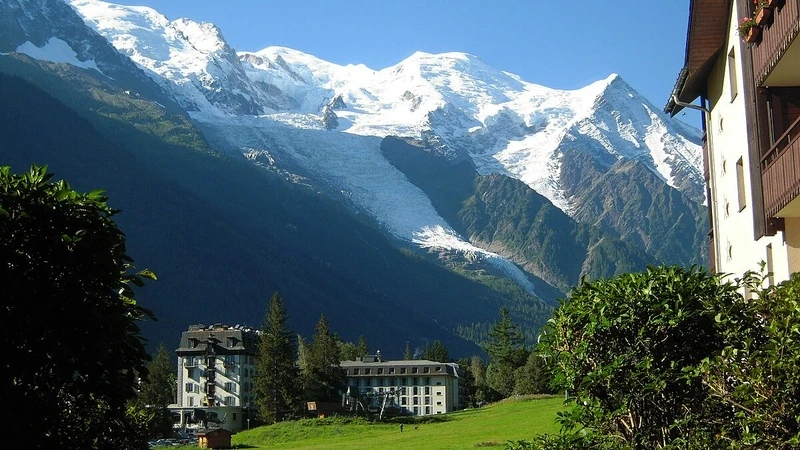
2. Chamonix (France)
Near the triple border of France, Switzerland, and Italy, Chamonix mixes a centuries-old ski tradition with alpine hikes, adrenaline sports, and high gastronomy. In the release, the same cost range is repeated: R$ 15.4k to R$ 69.1k including flights, lodging, meals, and activities.
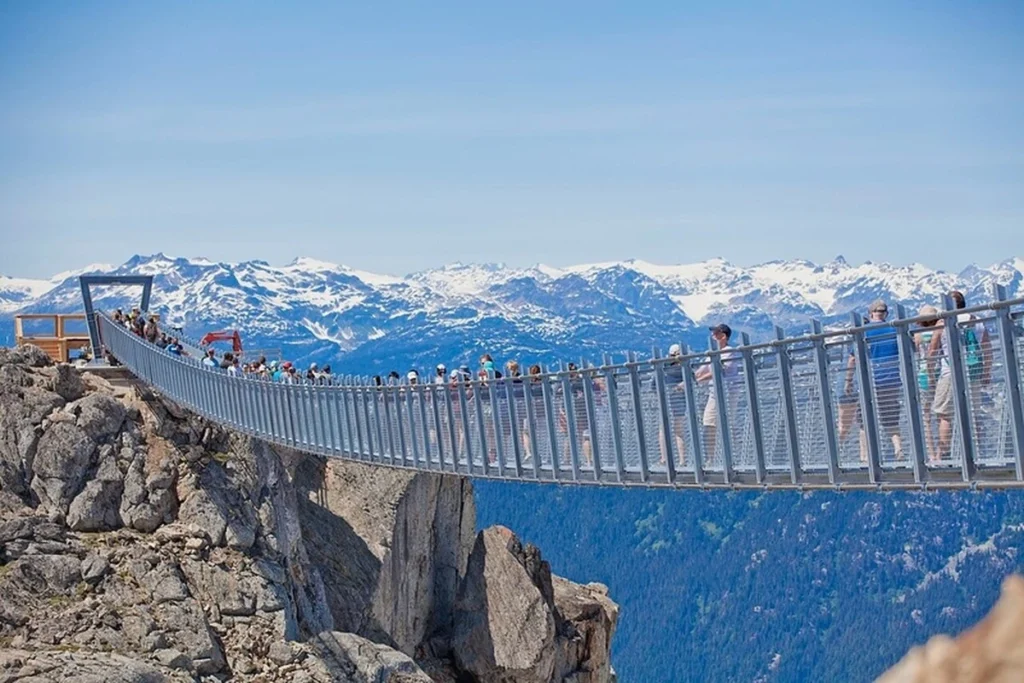
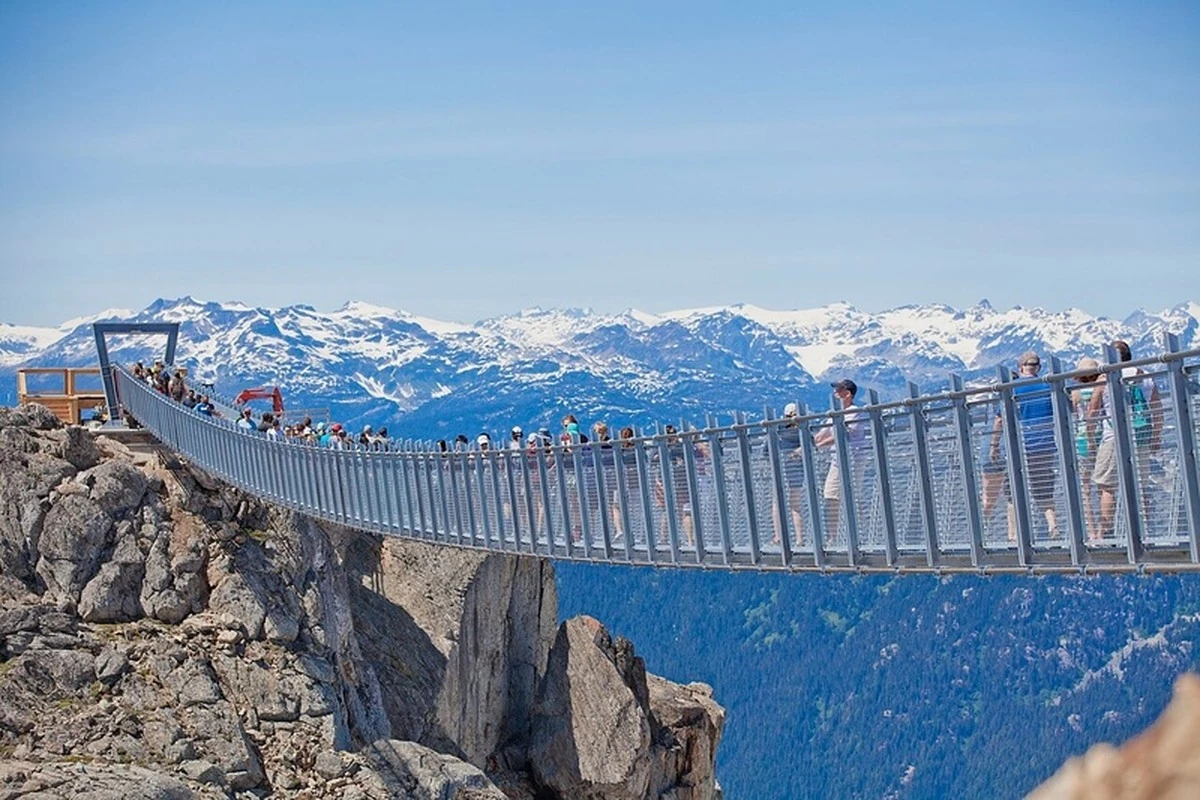
3. Whistler (Canada)
In North America, Whistler stands out as home to the continent’s largest ski resort, with more than 8,000 hectares of terrain. A well-designed village, award-winning restaurants, and a strong après-ski scene add to its appeal.
4. Vail (United States)
One of the most traditional US ski destinations, Vail is recognized for its large skiable area and balanced runs for different skill levels. Its Alpine-inspired village also offers a full ecosystem of lodging, shopping, and dining.
5. The Pyrenees, Andorra
Andorra’s Pyrenees deliver a strong value-for-money proposition with modern ski stations, plenty of beginner-to-intermediate terrain, and a mix of duty-free shopping and nightlife.
6. Aspen (United States)
Aspen pairs top-tier winter sports with a polished lifestyle: four separate mountains, a lively cultural scene, exclusive events, and celebrated restaurants that draw athletes and luxury-focused travelers alike.
7. Courchevel (France)
Part of Les Trois Vallées—described as the world’s largest ski domain—Courchevel is known for meticulously maintained slopes and high-end infrastructure, backed by luxury hotels and Michelin-starred dining.
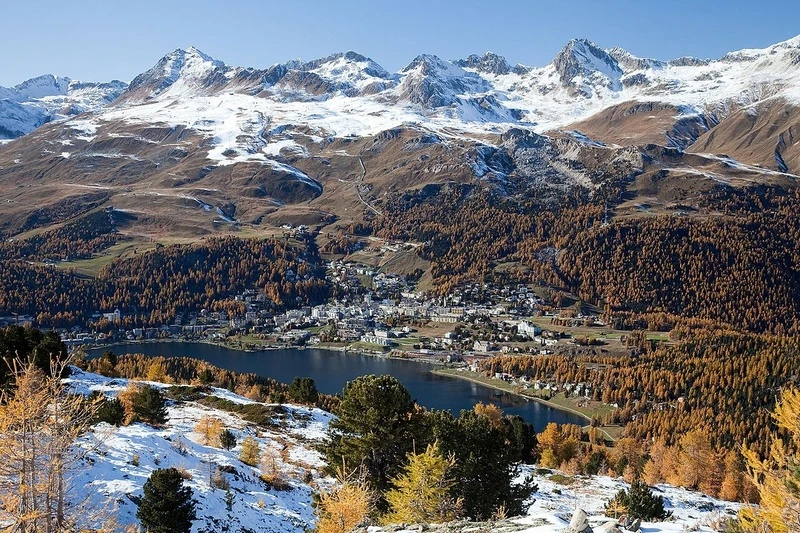
8. St. Moritz (Switzerland)
Often cited as one of the birthplaces of Alpine winter tourism, St. Moritz is prized for sunny weather, wide groomed runs, and an elegant atmosphere that blends snow sports with international events and upscale hospitality.
Milan–Cortina 2026 puts Italy in focus
Italy may draw even more attention this year thanks to the Milan–Cortina 2026 Winter Olympics. In February, Milan and Cortina d’Ampezzo—described in the release as Italians’ favorite winter-sports town—will host national delegations and competitions across 16 disciplines.
Organizers expect more than 2.6 million tourists during the period, a wave that can lift demand for snow itineraries tied to the Olympic buzz.
What Nomad’s data suggests
Based on Nomad’s internal insights, snow destinations in Europe and North America remain among Brazilians’ top choices during the Northern Hemisphere winter, especially for trips between December and March.
The analysis considered travel-planning indicators, overseas spending, and the use of international financial services associated with winter destinations. For Nomad, the trend reflects Brazilians planning international trips earlier and prioritizing experience-led travel.
Photo: Wikimedia Commons
Gostou do nosso conteúdo?
Seu apoio faz toda a diferença para continuarmos produzindo material de qualidade! Se você apreciou o post, deixe seu comentário, compartilhe com seus amigos. Sua ajuda é fundamental para que possamos seguir em frente! 😊