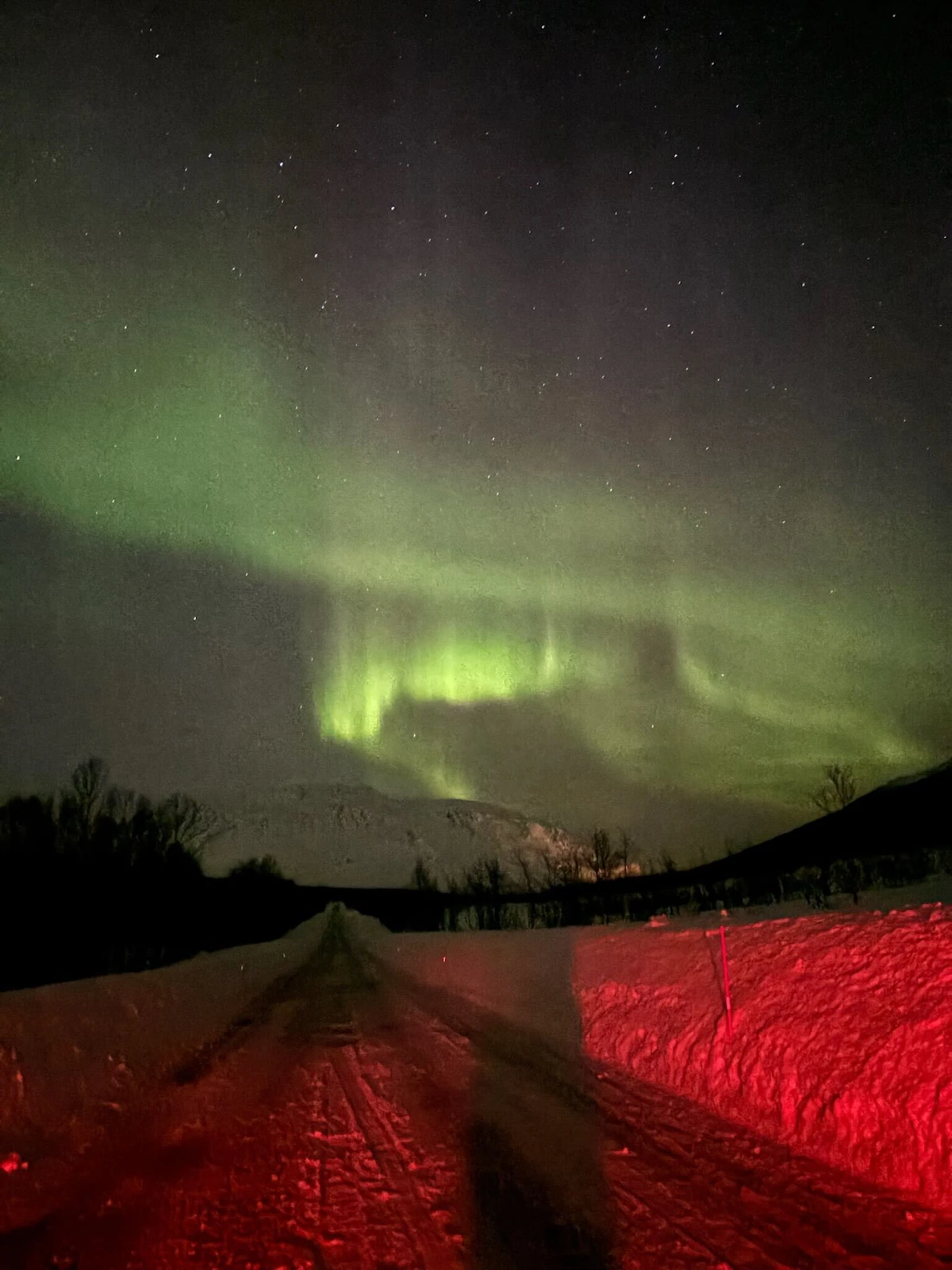
Northern Lights 2026 heats up: Nomad ranks Reykjavik first as Iceland, Norway and Finland dominate Brazilian travel interest

New data from Nomad, a Brazilian fintech with over 3.5 million customers, shows rising demand for Arctic trips to see the Aurora in 2026, with the best-known destinations clustering around the Arctic Circle.
The timing helps. NASA notes the Sun remains unusually active within its 11-year cycle. Even after the 2024 peak, major swings continue before the “solar minimum,” expected in 2031.
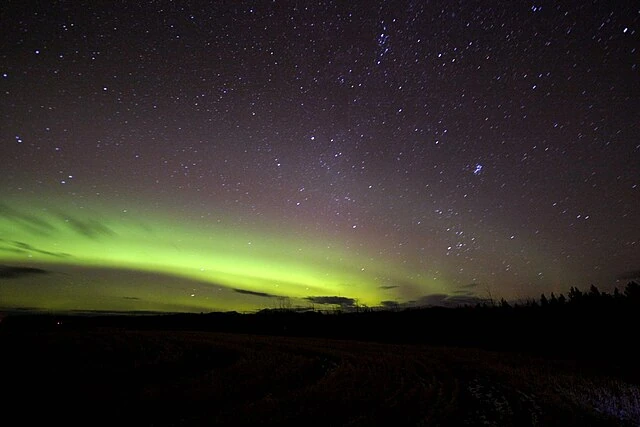
In real terms, that can translate into more frequent and vivid auroral displays, as solar particles collide with Earth’s atmosphere and light up dark winter skies.
Nomad also points to a shift in Brazilian traveler behavior: more people are prioritizing once-in-a-lifetime experiences and tackling complex itineraries that require cold-weather logistics and earlier financial planning in strong currencies.
Nomad ranking: most searched cities
1) Reykjavik (Iceland): the top pick for air connectivity, solid tourism infrastructure, and dramatic landscapes. Nomad estimates total trip costs from R$ 14.3k (budget) to R$ 59.2k (luxury), including flights, lodging, food, and tours.
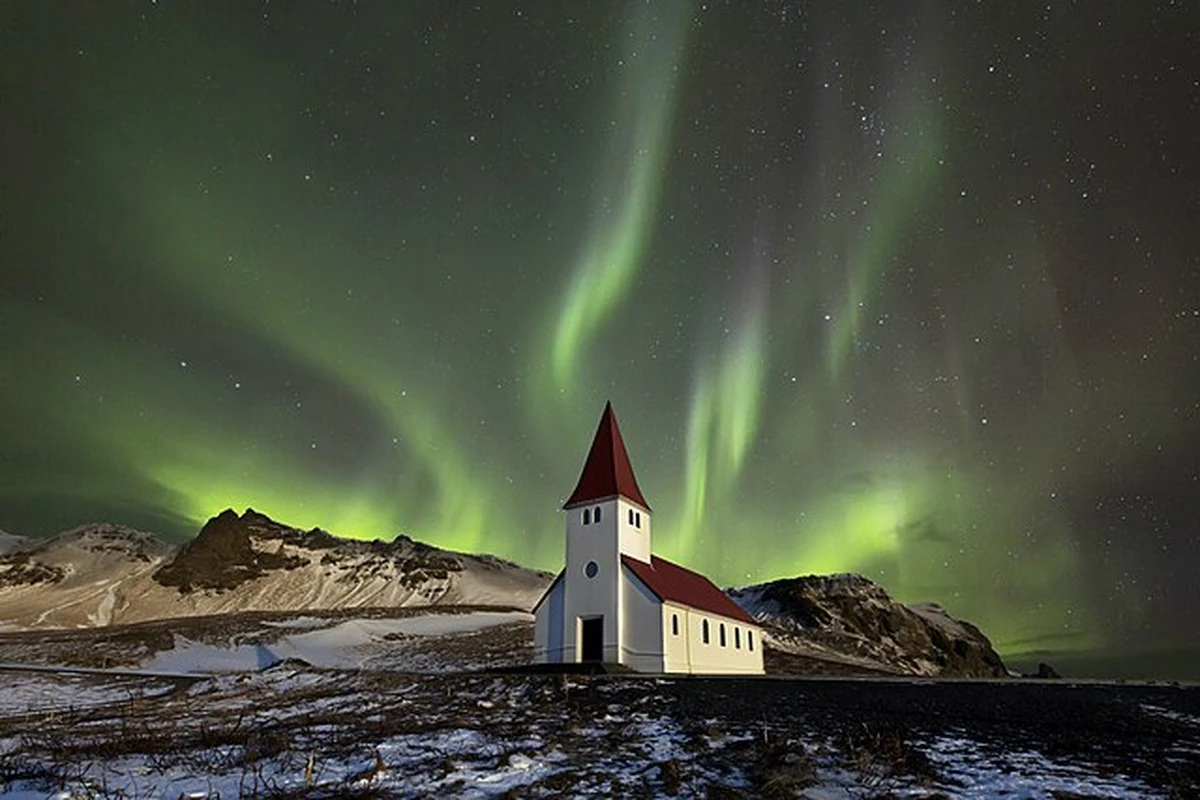
2) Vik (Iceland): a smaller village favored for darker skies and closer contact with the raw nature of Iceland’s South Coast, especially popular with photographers.
3) Tromso (Norway): often branded the “Northern Lights Capital,” combining strong viewing odds with winter activities and a lively cultural scene.
4) Rovaniemi (Finland): a family-friendly choice that blends snow travel with Christmas-themed appeal, widely known as Santa’s “official” hometown.
5) Fairbanks (USA) and 6) Whitehorse (Canada): North America gains ground for travelers seeking remote backdrops and infrastructure designed for severe cold.
Quick guide: Northern Lights 2026
Season: late September through late March, when nights are longer in the Northern Hemisphere.
Best time window: statistically, 10pm to 2am (local time).
Solar context: space weather remains unsettled after the solar peak, supporting stronger displays that, during major geomagnetic storms, can reach farther south, including the northern US and the UK.
Essentials: dark skies away from light pollution, clear weather, patience, and a bit of luck.
How the ranking was built
Nomad says the study draws on consolidated data from the last five years, analyzing search behavior and financial-services usage tied to Northern Hemisphere travel.
In the company’s view, aurora-focused trips are among the fastest-growing nature-and-experience segments, alongside a broader push beyond classic, mainstream routes.
About Nomad
Founded in November 2020, Nomad pioneered access for Brazil-based customers to a US bank account and expanded into broader global-money services such as international transfers and spending abroad.
Nomad also offers access to US-market investing, including stocks, ETFs, REITs, bonds, and US-dollar fixed income. Investment services are intermediated by Global Investment Services DTVM Ltda.
Service
Northern Lights season: late September to late March
Best odds: 10pm to 2am (local time)
Top destinations (Nomad): Reykjavik, Vik, Tromso, Rovaniemi, Fairbanks, Whitehorse
Estimated cost (Reykjavik): R$ 14.3k to R$ 59.2k (flights, lodging, food, tours)
Press contacts (Agência Lema): priscila.nishimori@agencialema.com.br | renata.nascimento@agencialema.com.br | luis.dolci@agencialema.com.br
Photo: Wikimedia Commons
Photo: Courtesy