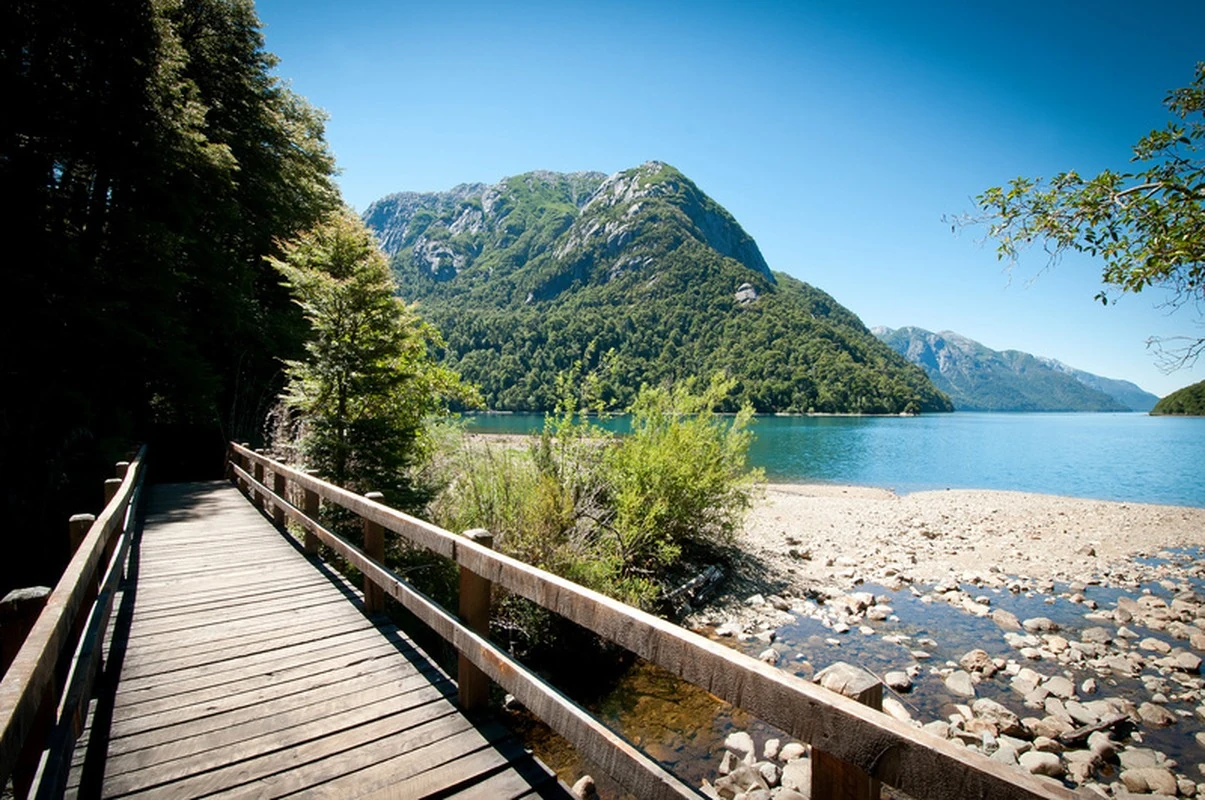
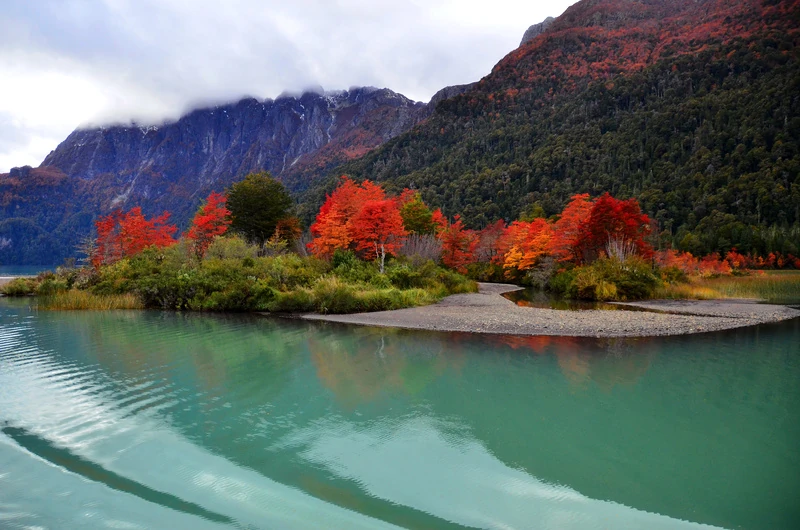
Between emerald waters and Valdivian rainforest, Puerto Blest offers Patagonia at its most preserved—25 km from Bariloche, reached by boat.

Inside Nahuel Huapi National Park, Puerto Blest is both a historic port and a lush natural area. Most visitors arrive by navigating Lake Nahuel Huapi, a route that sets the tone for what makes the place so iconic: the meeting point of the lake and the Andean-Patagonian forest.
That’s why it remains one of Bariloche’s most classic experiences. The scenery blends intense green water, mountains wrapped in native vegetation, and a sense of quiet exclusivity. It feels protected and unhurried, built around contemplation and low-impact tourism.
How to get to Puerto Blest
To reach Puerto Blest, you’ll board at Puerto Pañuelo, which you can access by car or bus. The crossing takes about one hour by boat across Nahuel Huapi, and the destination is known for its sustainability profile, with controlled visitor access and activities centered on responsible nature contact.
Hotel Puerto Blest: 15 rooms and true quiet after the last boat
While many travelers choose a full-day round trip, staying overnight is also possible. Hotel Puerto Blest—the only property in the area—has just 15 rooms and is designed for complete immersion in nature, where “every window is a picture.”
The hotel features a heated pool and a restaurant. The standout detail comes later: after the last boat returns to the city, the surroundings become deeply tranquil, which heightens the feeling of comfort and authenticity.
Los Cántaros: 734 steps with lookouts along the way
From the hotel, a walk along the bay leads to the stairway up to Los Cántaros waterfall. It’s a route through Valdivian temperate rainforest, with vivid colors and mountain views framing the path.
On site, visitors can take on the 734-step staircase, one of the region’s most emblematic experiences. Scenic lookouts make it easy to pause and take in the waterfall and the lake’s intense green tone, keeping the climb memorable and manageable.
In certain seasons, the cascade can freeze. Extra care is recommended to avoid slipping on ice, although the ascent can still be done.
Lake Frías and the Andean Crossing into Chile
From Puerto Blest, you can also tour the port bay and continue to a navigation on Lake Frías. Its green waters come from a glacier on Cerro Tronador, creating a striking shift in color even for seasoned Patagonia travelers.
This excursion is part of the well-known Andean Crossing. For those aiming to reach Puerto Varas, Chile, it’s possible to cross the border after Lake Frías and continue the journey through the Andes. Both the Puerto Blest excursion and the Lake Frías crossing are operated by Turisur.
By combining environmental conservation, nature-first tourism, and quality services, Puerto Blest shows how Bariloche appeals to travelers seeking exclusivity, comfort, and a more authentic Patagonia.
Photo: Disclosure