A strong operational track record in Caxias do Sul is driving Travel Inn’s push into Rio Grande do Sul, backed by $700K in upgrades and three flexible management models.
Not every expansion story starts with a boardroom decision. This one started with results. The Travel Inn unit in Caxias do Sul, nestled in the mountainous Serra Gaúcha region, delivered an average 46% annual growth in investor returns between 2023 and 2025 — and that performance has now become the blueprint for the hotel chain’s broader push into Rio Grande do Sul state.
The Caxias do Sul property first opened under Travel Inn’s Hotel Management model in September 2020. Four years later, the company transitioned to a full Lease arrangement, taking complete control of the asset and pouring roughly R$ 700,000 into renovations and operational upgrades over a two-year period.
Behind the numbers
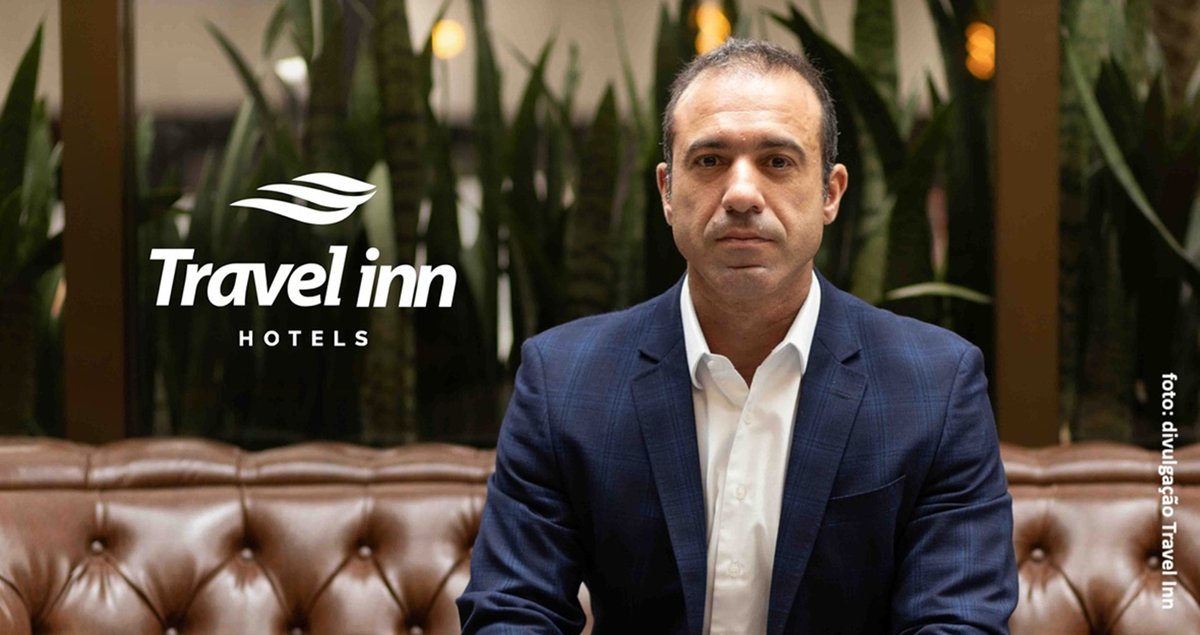
CEO Felipe Gama is quick to point out that the turnaround wasn’t driven by a single lucky break. According to him, consistent results come from layering the right fundamentals — commercial strength, cost discipline, and honest communication with investors.
Strong results don’t come from a single factor, but from solid commercial performance, close client management, efficient cost control, maintaining operational quality, and transparency with investors. That foundation is what allowed us to build a solid client portfolio and deliver consistent results, even in challenging scenarios.
Travel Inn is part of Results Hotelaria, a hospitality management company with over four decades of experience operating hotels, flats, inns, and tourism developments across Brazil. The group serves both corporate and leisure segments — a balance that Gama says Rio Grande do Sul offers in abundance, across multiple cities and regions.
Three models, one strategy
The expansion plan offers independent hotel owners and investors three distinct ways to partner with the brand, depending on how much operational involvement they want to retain.
- Brand License with Commercial Management: owners keep day-to-day control while gaining access to Travel Inn’s sales network, online distribution, reservations center, and revenue management tools.
- Hotel Management: Travel Inn takes full operational control, including finance, staffing, process standardization, and ongoing performance monitoring, with potential investment in modernization.
- Lease Agreement: the chain assumes complete operational responsibility in exchange for a fixed payment to the owner — ideal for investors who prefer hands-off ownership with predictable income.
Selective, not scattered
Growth targets are specific. For corporate markets, Travel Inn focuses on cities with populations above 200,000 and properties with at least 80 rooms. In leisure destinations, the threshold drops to 50 units, provided the location can support above-average daily rates over the long term.
“Our strategy is to grow in operations aligned with our management model and in markets where we can add long-term value to the asset,” Gama said. With Serra Gaúcha’s wine tourism, mountain scenery, and growing corporate base, the region checks more than a few of those boxes.
Event Info
- WhatsApp: (11) 91864-1040
- Email: desenvolvimento@travelinn.com.br or felipe@resultshotelaria.com.br
- Website: www.travelinn.com.br