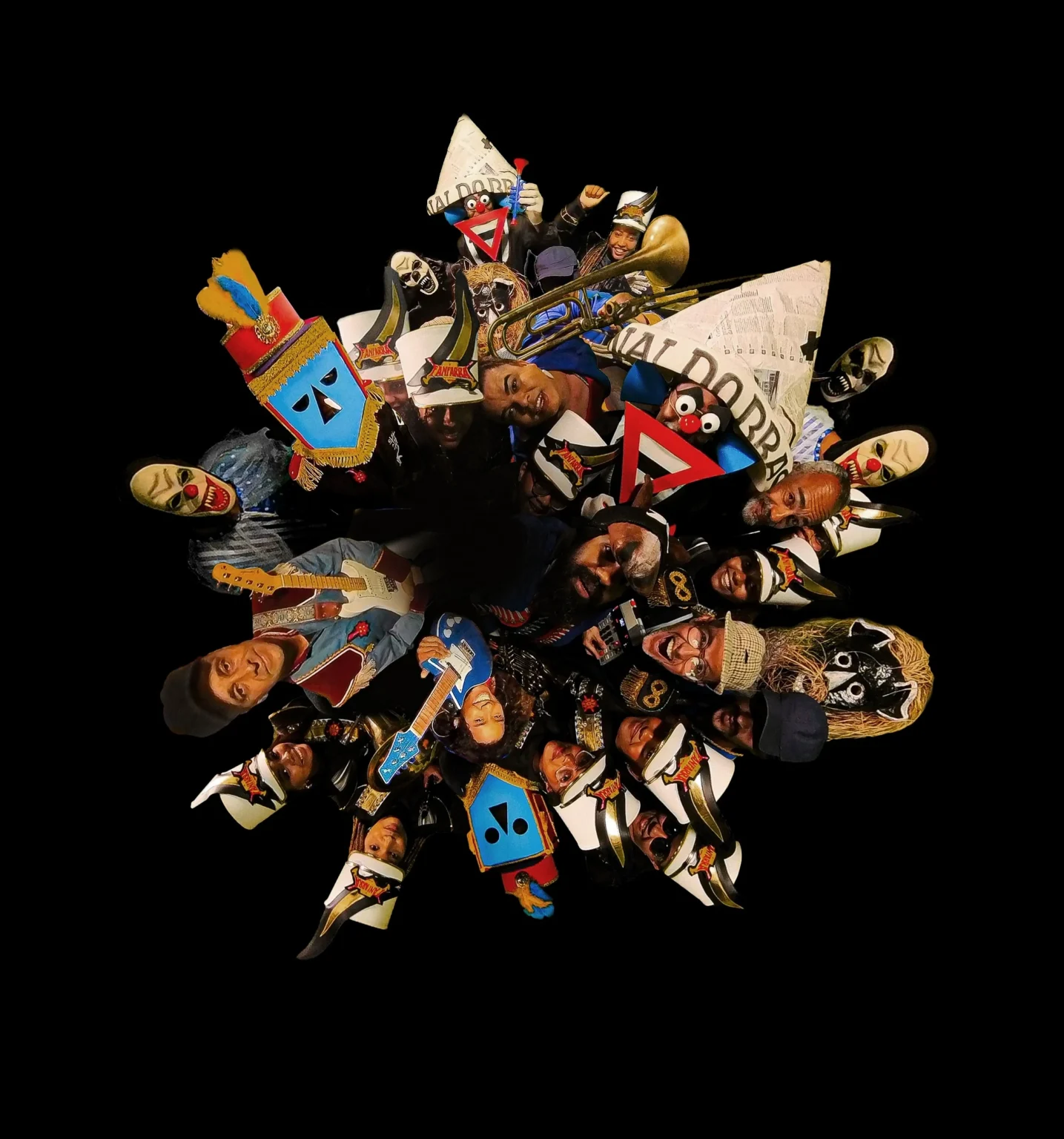
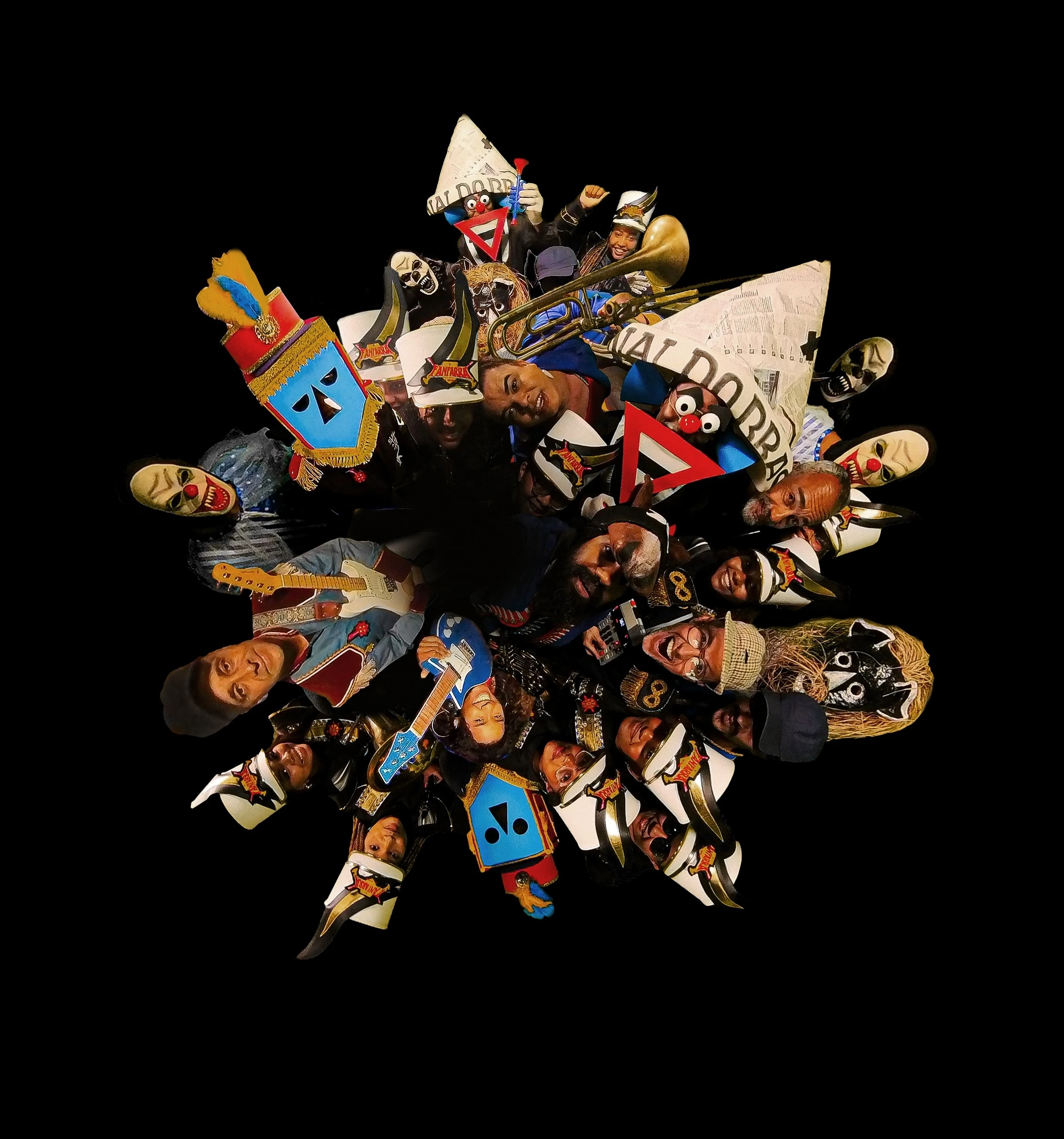
“Fanfarra Pirata” is out now and launches BaianaSystem’s mixtape era—leaning into Latin America and the Caribbean through Carnival season.After spending 2025 circling the globe, BaianaSystem opens 2026 by planting its feet in Latin America and the Caribbean. The new single, “Fanfarra Pirata”, signals that shift with a track built for summer momentum—and designed to stretch all the way into Carnival.The song is already on all digital platforms and serves as the first chapter of a mixtape scheduled to reach wider audiences next month. The format matters: “mixtape” nods to soundsystem culture, a key pillar in BaianaSystem’s identity, while pointing toward a different sonic headline.
A mixtape built for street energy
If “mixtape” suggests bass, circulation, and fast-moving ideas, “fanfare” pulls from another tradition: collective street music. It’s Carnival music made by Carnival musicians—where horns and brass drive the feeling of procession, community, and confrontation.In the band’s framing, fanfare traditions also carry history. Their spread across Brazil and Latin America ties back to colonization, when colonial power used rigid marches and limited harmonic structures as symbols of authority and discipline.With independence movements across the region, that same sonic language went through a kind of musical “cannibalism”: marches gradually fused with rhythms from Indigenous peoples of the Caribbean, the Andes, forests, and the pampas, as well as with the percussive traditions of African diasporic communities. Through popular celebrations—often facing elite repression—this fusion helped shape a new harmonic “shoreline” that fed the rise of Brazilian and South American genres.
Independence symbols and the “Sun of May”
Because fanfares are closely linked to independence processes in Latin America and the Caribbean, they also evoke national symbols. One is the Sun of May, associated with the Inca deity Apu Inti and featured on the flags of Argentina and Uruguay—an image BaianaSystem previously echoed in “América do Sol,” the third and final act of “OXEAXEEXU” (2021).The connection shows up in places like Cuban national anthem adaptations performed by municipal bands, and in Bahia’s Brazilian Independence celebrations, where fanfares play in the Caboclo procession—a direct reference to Indigenous, mixed, and Black identities presented as a national emblem and a divinity.
Horns, brass, and a new core sound
“Fanfarra Pirata” places fanfare as a new musical soul within BaianaSystem’s universe. The band points to the DNA of marching bands and small-town orchestras, while hinting at a deeper integration of horns and brass, guided by the unmistakable thread of the guitarra baiana.
“Fanfarra is inspired by musicians we’ve had the honor to play with, and it’s also a tribute to the many institutions and groups across the country that are schools and represent a collective memory of Brazilian music.”
Guitarist Roberto Barreto adds that the idea also speaks to “fanfare” as melodic ornamentation—the moment when brass becomes the protagonist, in an opera scene or on a record, as in “O Mundo Dá Voltas.” “In Brazilian fanfares, that flourish is marked by percussion. Here in Bahia, the beat is Afro-percussive, creating musical polyvalence,” he says.https://www.youtube.com/watch?v=UWtILZawQ-oFoto: Divulgação
A equipe de redação do Aurora Cultural traz notícias e reportagens sobre saúde, beleza, cultura e comportamento com apuração cuidadosa e linguagem acessível. Encontrou algo interessante? Compartilhe com quem também vai gostar.
Nosso site se torna possível através da exibição de anúncios on-line aos nossos visitantes. Por favor, ajude-nos desativando seu bloqueador de anúncios.