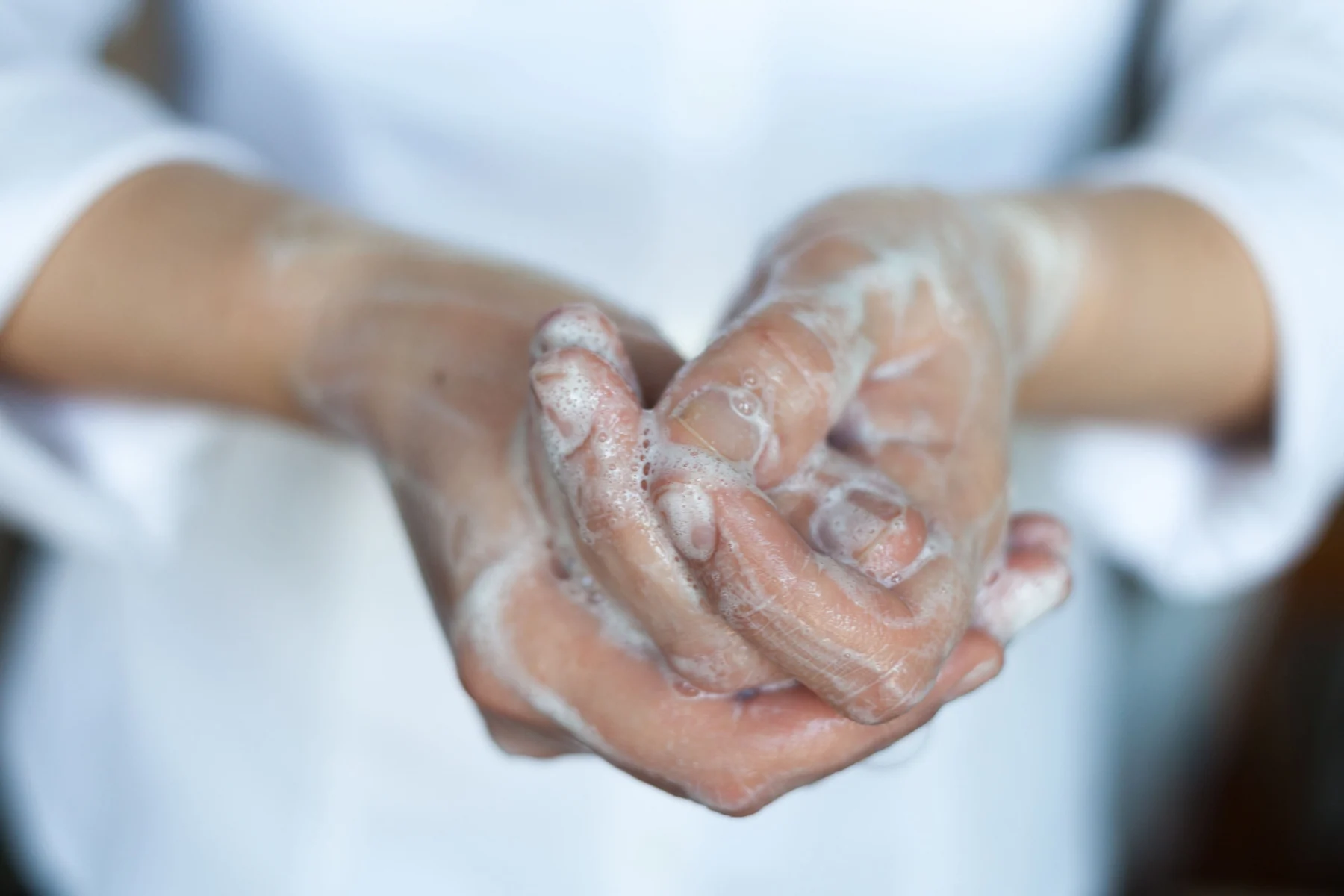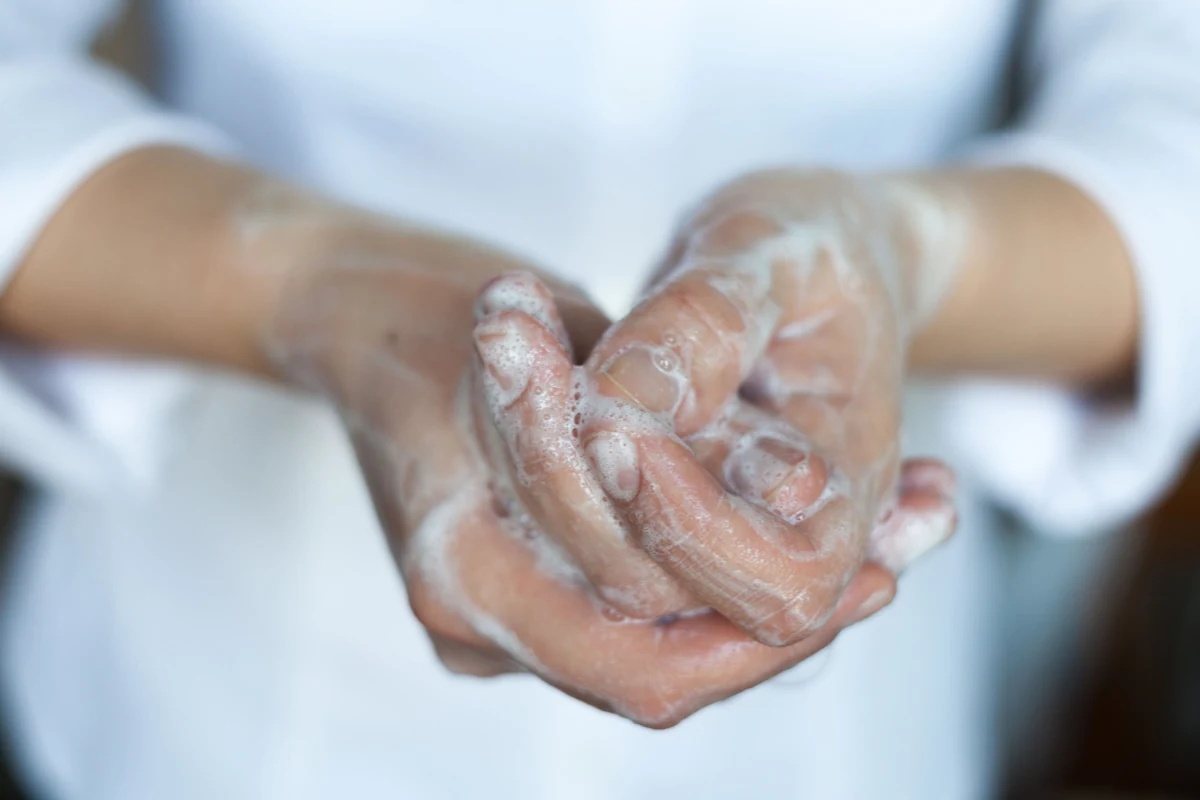
WHO data shows proper handwashing prevents up to 70% of healthcare-associated infections — yet compliance remains a critical gap worldwide.
It takes less than a minute. And yet, handwashing — done correctly — remains one of the most underestimated lifesaving actions in both hospitals and everyday settings. According to the World Health Organization (WHO), up to 70% of healthcare-associated infections could be prevented through proper hand hygiene. Despite that, adherence continues to fall short.
Brazil’s health regulatory agency, Anvisa, goes even further, classifying hand hygiene as the single most important action to prevent infections in healthcare settings. That’s not a minor claim — it puts a routine habit on par with far more complex medical interventions.
What your hands carry without you knowing
Infectious disease specialist Frederico Zago, from Mário Palmério University Hospital (MPHU) in Uberaba, Brazil, makes the stakes clear.
Handwashing may seem simple, but it’s an act that can save lives. Most people don’t realize that hands are perhaps the greatest vehicle for disease transmission that exists. We come into contact with countless microorganisms throughout the day, and since our hands are exposed most of the time and touch so many surfaces, they end up carrying pathogens that can cause serious harm.
— Frederico Zago, infectious disease specialist at MPHU
Inside hospitals, the stakes rise sharply. Pathogens found in healthcare environments tend to be more resistant and virulent than those encountered in daily life. An infection acquired during a hospital stay can extend the length of hospitalization — and in severe cases, prove fatal.
The five moments that matter most
The WHO has identified five critical moments for hand hygiene among healthcare workers: before touching a patient, before a clean or aseptic procedure, after body fluid exposure, after touching a patient, and after touching the patient’s surroundings. Following this framework meaningfully interrupts the chain of transmission within clinical settings.
At MPHU, ongoing training sessions, internal campaigns, and educational initiatives keep the practice front and center for all staff. The goal isn’t just compliance — it’s building a genuine culture of safety.
A habit that belongs everywhere, not just hospitals
Stephanie Costa, a nurse and supervisor of the Hospital Infection Control Service (SCIH) at MPHU, emphasizes that the responsibility extends far beyond clinical walls.
Hand hygiene is one of the most effective measures to prevent infections and save lives. In hospitals, we follow strict protocols — but it’s important to reinforce that this care needs to be part of everyone’s routine, inside and outside healthcare settings. Small daily actions make a huge difference in disease prevention.
— Stephanie Costa, nurse and SCIH supervisor at MPHU
The Covid-19 pandemic served as a global reminder that individual behavior has collective consequences. Washing hands with soap and water, using alcohol-based hand sanitizer, or reaching for a disinfectant wipe are accessible choices that meaningfully reduce the spread of infectious disease — no special equipment required.
May marks the international month of hand hygiene awareness, but as Zago puts it, the message holds year-round: “The simple habit of washing your hands frequently can drastically reduce the risk of disease transmission.”
Event Info
- Institution: Mário Palmério University Hospital (MPHU)
- City: Uberaba, Minas Gerais, Brazil
- Campaign: May — Hand Hygiene Awareness Month
- Recommendation: WHO and Anvisa advise frequent hand hygiene with soap and water or 70% alcohol-based sanitizer