Food in Malta goes far beyond taste—it offers a direct connection to the islands’ history. With recipes shaped over centuries and ingredients sourced locally, Maltese cuisine reflects a cultural identity built through constant exchange and adaptation.
A cuisine shaped by history
Maltese gastronomy carries strong influences from the civilizations that have passed through the islands. Italian flavors—especially from nearby Sicily—blend with Arab and North African elements, along with touches of Provençal cuisine. The use of wine in traditional dishes reflects the legacy of the Knights of St. John.
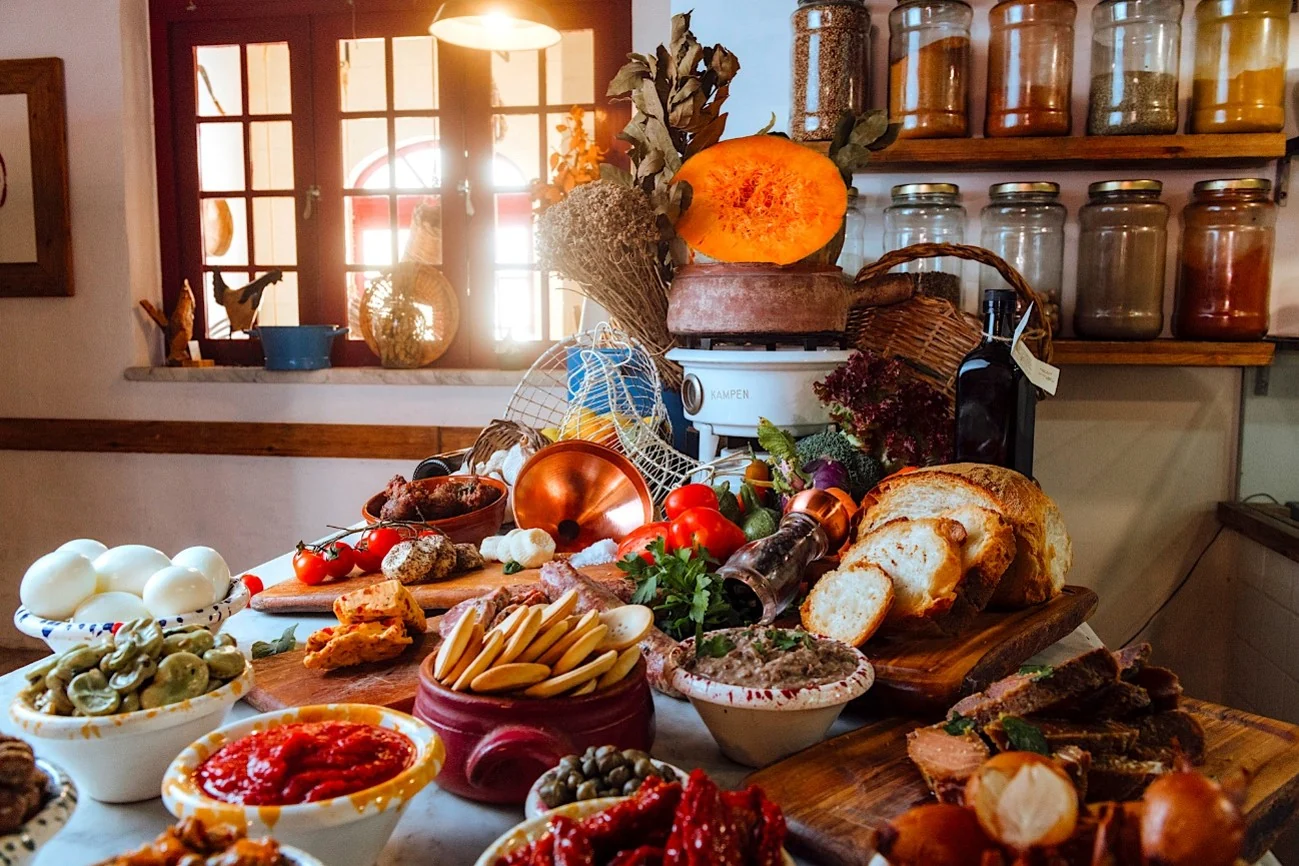
This cultural mix is supported by an abundance of local produce. Fresh seafood from the surrounding waters and ingredients such as tomatoes, peaches, blood oranges, and potatoes form the backbone of the local kitchen.
Bread at the heart of it all
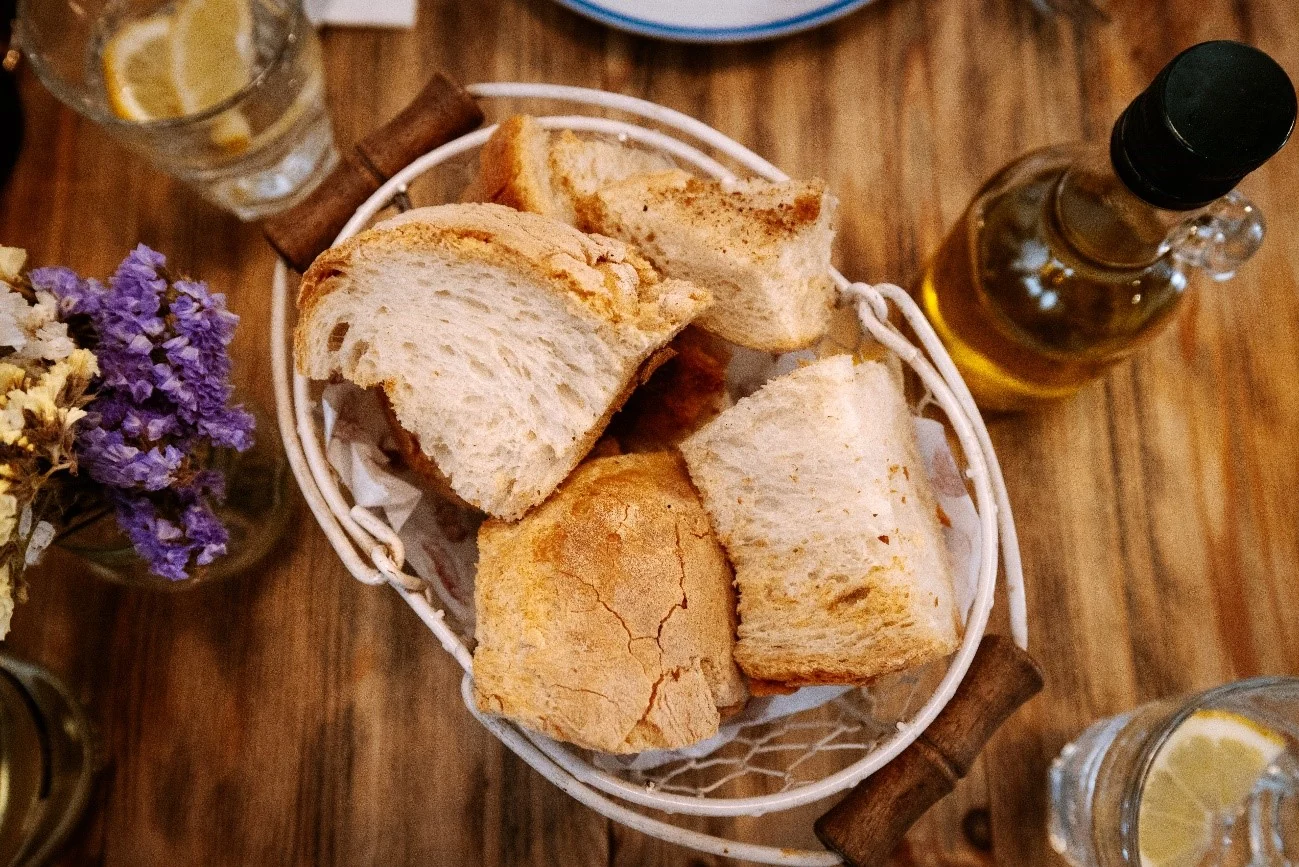
Bread is one of the most defining elements of Maltese cuisine. The traditional ħobż stands out for its soft interior and dark, crunchy crust, baked in wood-fired ovens. While often compared to sourdough, it has a distinct character of its own.
Locals often enjoy it in simple ways—especially in summer—topped with crushed fresh tomatoes, olive oil, black pepper, and sea salt. This everyday preparation captures the essence of Maltese flavors.
Another staple is ftira, a flattened bread recognized as UNESCO Intangible Cultural Heritage in 2020. It serves as the base for ħobż biż-żejt, topped with olive oil, vinegar, tuna, tomatoes, olives, and fresh mint.
Gozo’s bakery tradition
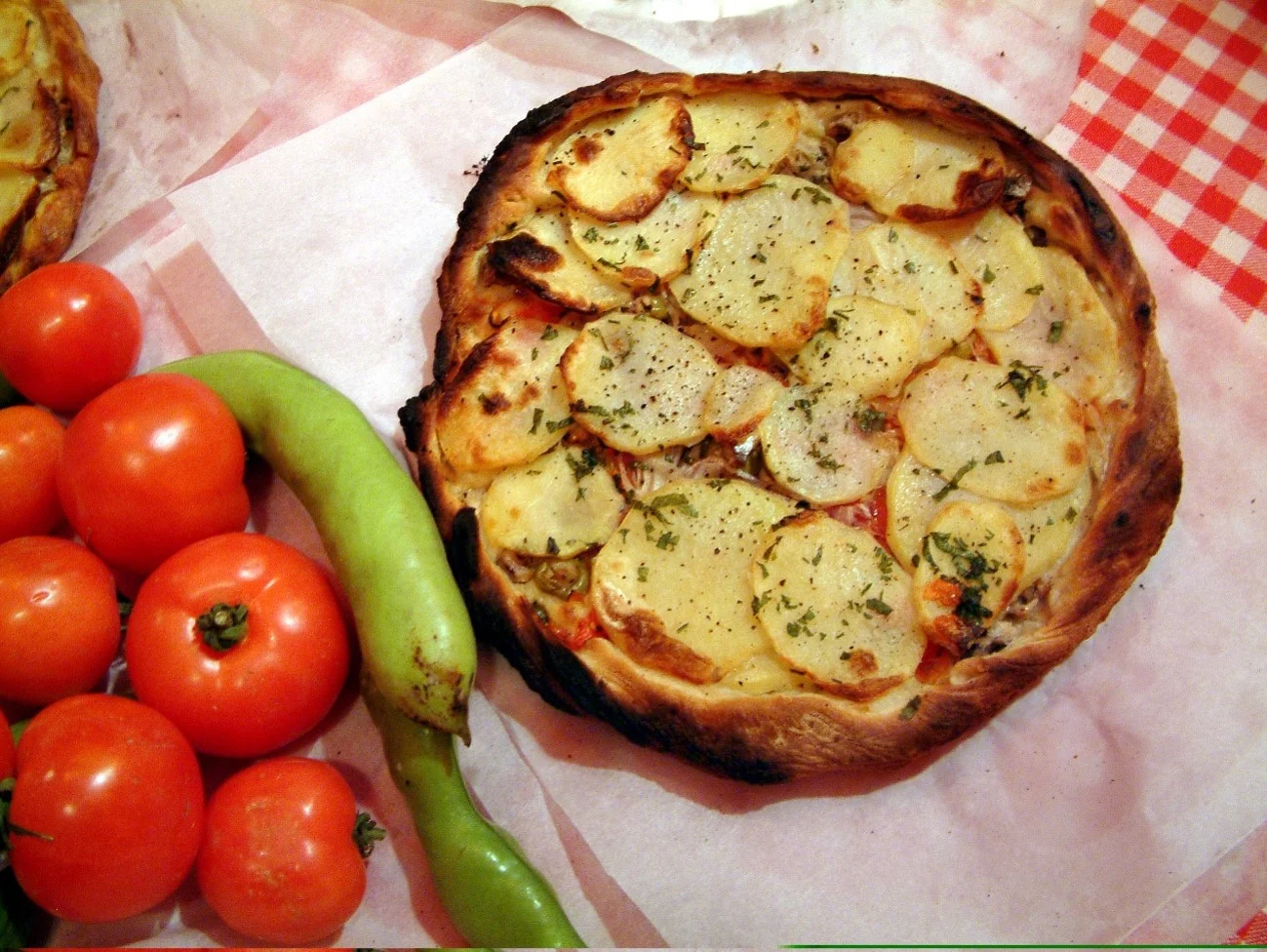
On the island of Gozo, ftira takes on a different form. Open-faced and topped with ingredients, it may resemble pizza at first glance, but its flavor and texture are unique, thanks to its naturally fermented dough and wood-fired preparation.
Gozo is known for its traditional family bakeries, where time-honored techniques are still used. Visitors can witness the entire process, from kneading to baking, resulting in fresh, aromatic bread straight from the oven.
Typical toppings include tuna, tomato sauce, fresh tomatoes, capers, olives, red onion, and basil. Variations often feature ġbejna cheese, Maltese sausage, and bigilla. Prices remain accessible, around 4.50 Euros.
Street food staples
Among quick bites, pastizzi are iconic. These flaky pastries are traditionally filled with ricotta or mushy peas, though modern variations include anchovy and sweet versions with different fillings.
Widely available across the islands, pastizzi typically cost between 0.80 and 1.50 Euros, making them an affordable and popular choice.
Kannoli, inspired by Sicilian cuisine, are another favorite—crispy shells filled with ricotta and often topped with chocolate.
Fresh ingredients and local pride
Local ingredients are central to Maltese cooking. Fish like lampuki are prepared in various ways—grilled with tomato, capers, and olives, or cooked with olive oil, garlic, and chili.
The growing “farm-to-table” movement has also gained traction, with restaurants sourcing ingredients locally. This approach supports farmers and highlights the freshness and quality of regional products.
Dining across styles
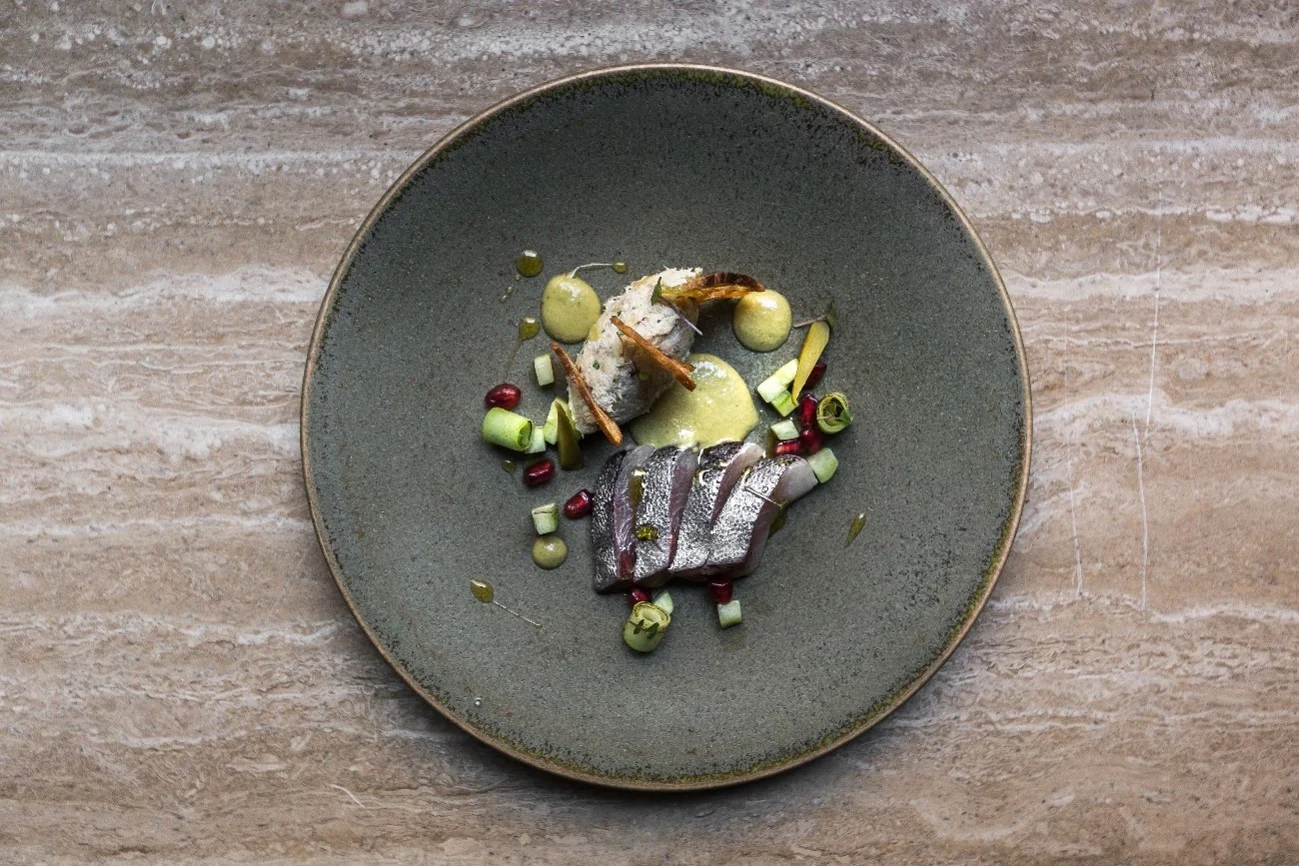
From casual meals to Michelin-starred dining, Malta offers a wide range of experiences. The Quality Assured Restaurant Award highlights establishments that meet high standards in service, hospitality, and cuisine.
More details about Maltese food and restaurants are available at: https://www.visitmalta.com/