
Now 16% of toy sales, board games are redefining home leisure with real human connection and less screen time.
Amid an increasingly digital world, board games, card sets, and strategy challenges are taking center stage in Brazilian homes again. According to Abrinq data collected by Comex Stat, this segment reached 16% of the national toy market in 2025, marking a major shift in family consumption habits.
For Synésio da Costa, Abrinq’s president, the growth goes far beyond nostalgia. “Families are increasingly concerned about excessive screen time and its mental health impact. Board games bring something the digital world can’t replace: presence, sharing, and bonds,” he says.
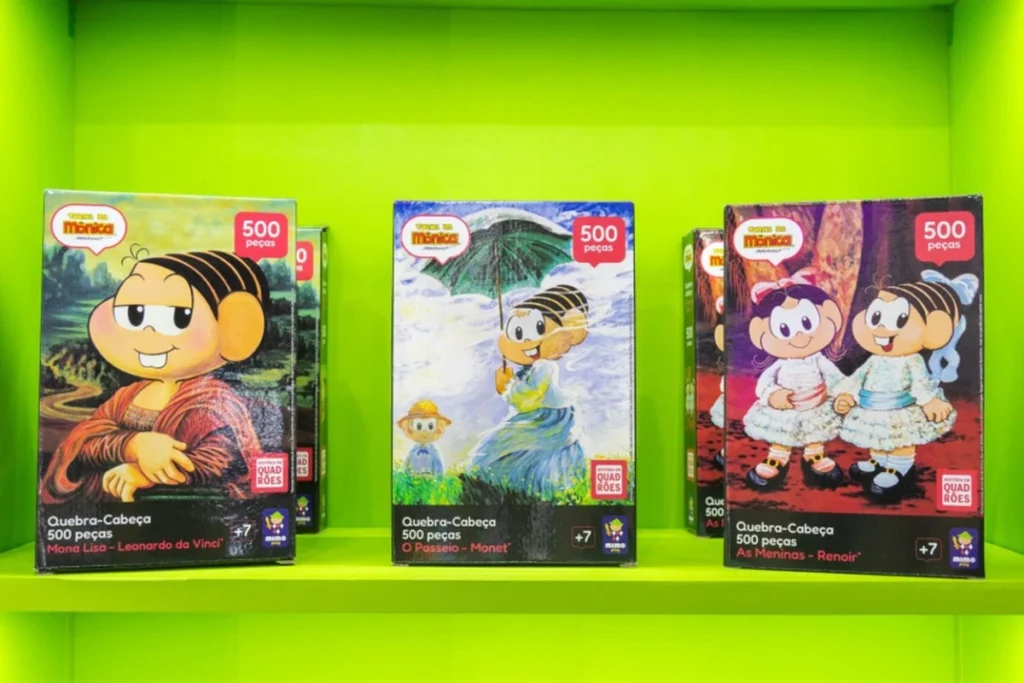
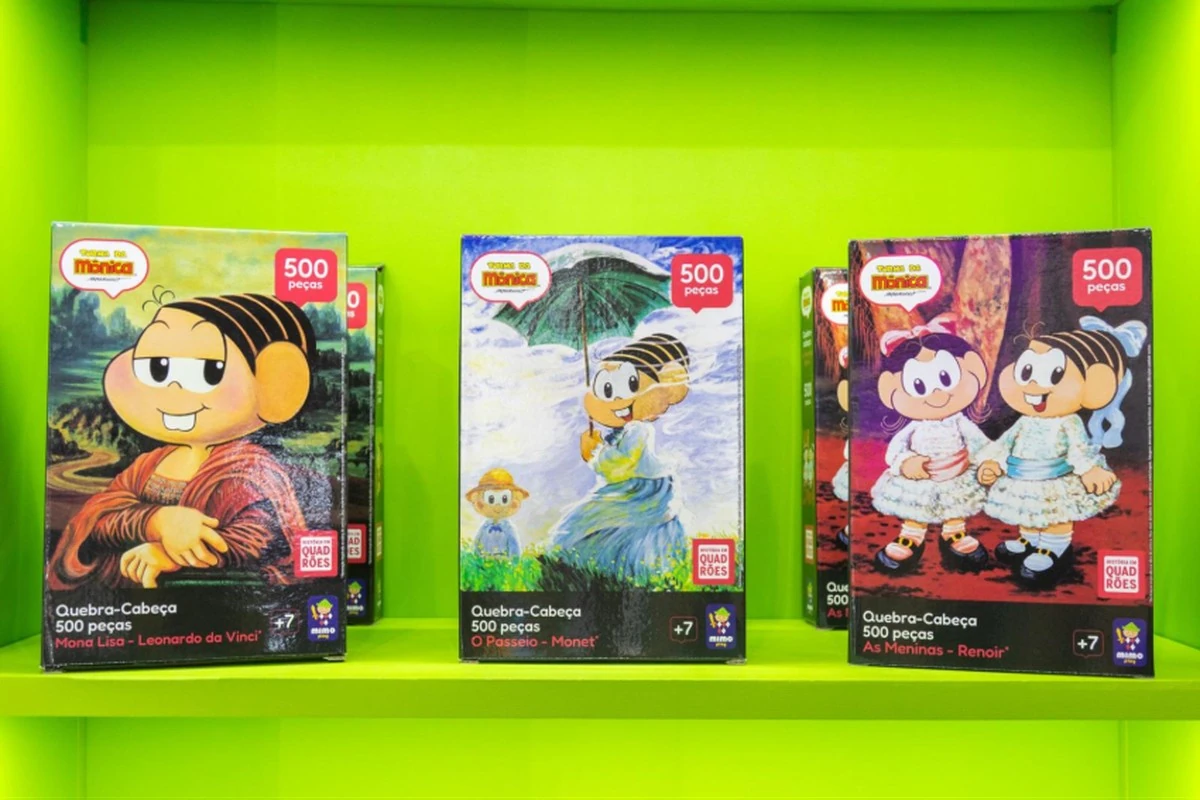
Among the most popular items, puzzles remain a strong trend since the pandemic. “They boost concentration, reasoning, and persistence while fostering real emotional connection,” explains Tatiana Curu, director at Mimo Toys. The brand offers versions from 200 to 1,000 pieces to suit different age groups.
Traditional companies like Grow emphasize that this resurgence is about conscious choices, not nostalgia. “Board games have become a family decision to spend time together. They represent both entertainment and connection,” notes Angelo Marin, product manager at Grow.
Costa concludes that this evolution reflects a new social understanding of home leisure. “Families now prioritize experiences that foster thinking and human connection over passive entertainment,” he says.
Photo: Estúdio WTF
Gostou do nosso conteúdo?
Seu apoio faz toda a diferença para continuarmos produzindo material de qualidade! Se você apreciou o post, deixe seu comentário, compartilhe com seus amigos. Sua ajuda é fundamental para que possamos seguir em frente! 😊
