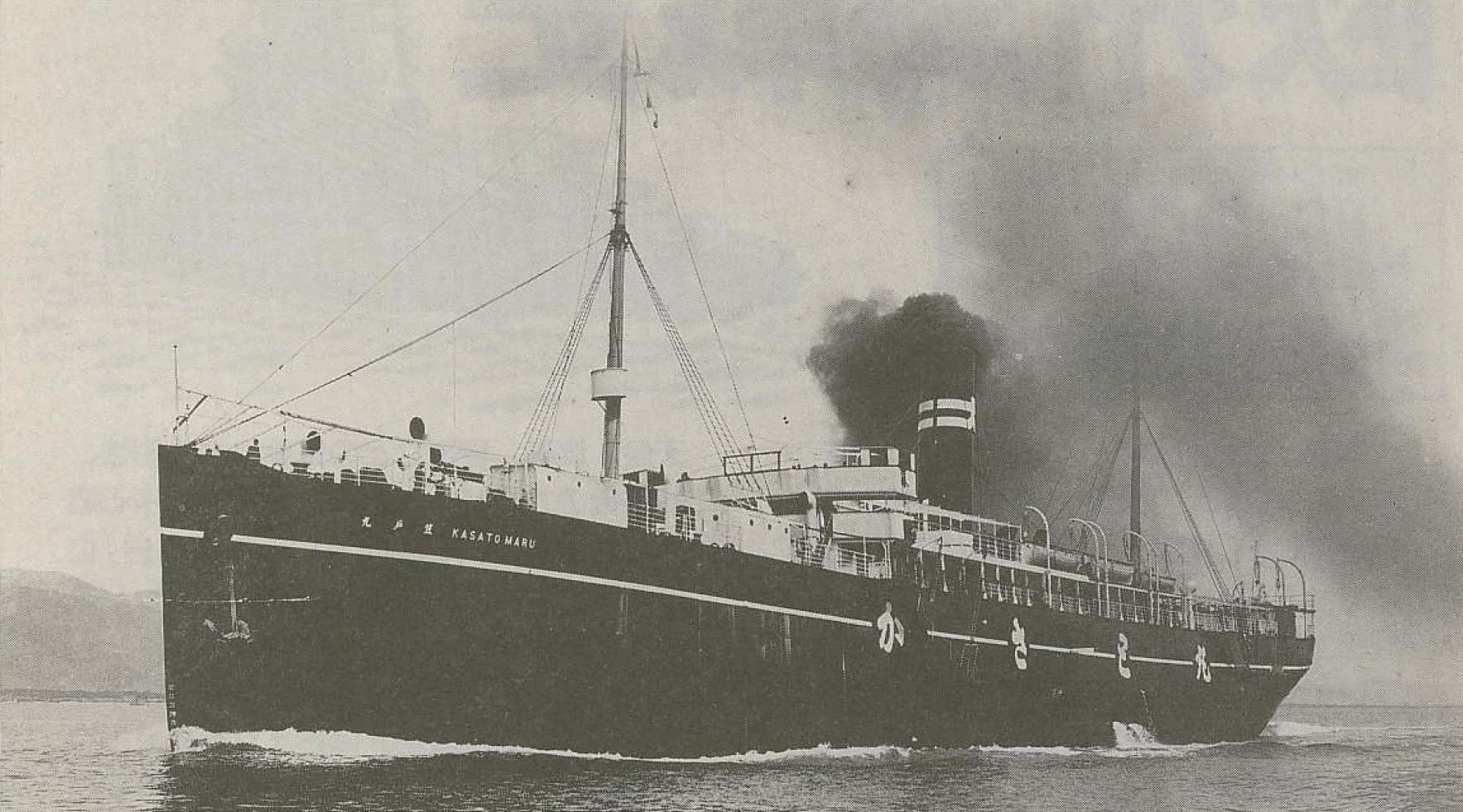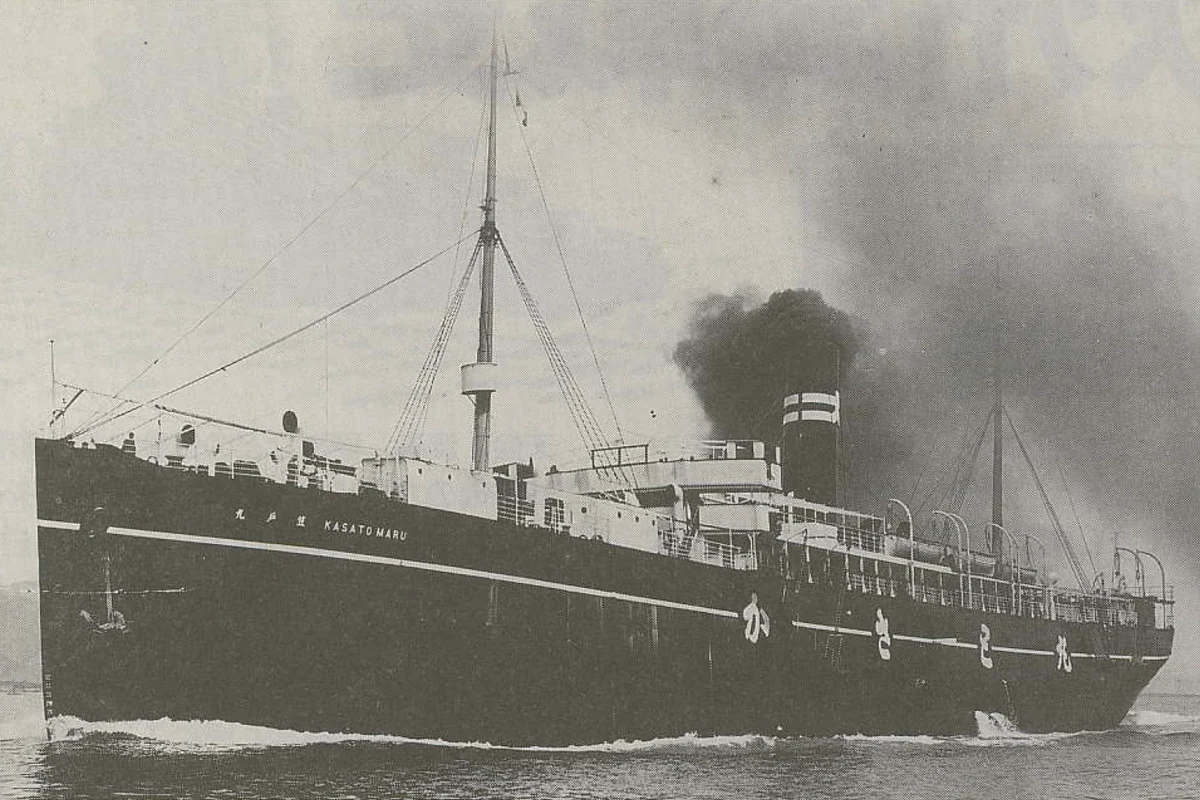
Brazil marks this Thursday (June 18) the 118th anniversary of a defining moment in its history: the arrival of the Kasato Maru, the ship that brought the first Japanese immigrants to the country. The landing in 1908 at the Port of Santos began a migration process that would leave a lasting imprint on Brazilian society.
The vessel carried 781 passengers and marked the beginning of Japanese immigration in Brazil. Today, the country is home to the largest population of Japanese descendants outside Japan, estimated between 2.5 and 2.7 million people.
A convergence of needs
The migration was shaped by historical circumstances in both countries. During the Meiji Era (1868–1912), Japan underwent rapid modernization, which brought economic growth but also created pressure on rural populations due to limited land and demographic expansion.
At the same time, Brazil needed labor for its coffee plantations after the abolition of slavery in 1888. Immigration became a strategic solution to meet this demand.
“Both countries had complementary interests,” explains Juliana Gomes from the Escola Internacional de Alphaville.
From arrival to community building
The arrival of the Kasato Maru was just the beginning. Over the following decades, thousands of Japanese immigrants settled across Brazil, forming communities that played a key role in economic and cultural development.
Generations of descendants are identified as Issei, Nisei, Sansei, Yonsei, and Gossei, reflecting the continuity of this legacy.
Early experiences were challenging, with language barriers, cultural differences, and difficult working conditions. Despite this, many families managed to establish stable lives in Brazil.
Lasting cultural influence
Japanese immigrants contributed significantly to agricultural diversification, especially in vegetables, fruits, and tea production. Over time, their influence expanded into commerce, education, sports, and science.
Cultural elements such as martial arts, manga, anime, and traditional festivals became part of Brazilian life, particularly in states like São Paulo and Paraná.
The legacy of Japanese immigration remains visible in everyday Brazilian culture, reflecting a deep exchange between the two nations.
A recurring academic topic
The topic continues to appear in exams such as Enem and university entrance tests, connecting themes like migration, economic history, and cultural diversity.
Understanding the causes and impacts of Japanese immigration helps students interpret broader social and historical dynamics in Brazil.