
From olive oil to bold spices, Turkish cuisine reflects cultural identity and turns each region into a distinct sensory journey.
Some countries are understood through geography. Others, through taste. Turkey belongs to the latter. Across its regions, food acts as a narrative—shaped by history, climate, and centuries of cultural exchange.
This culinary diversity goes far beyond iconic dishes. It reveals a nation balancing East and West, where recipes carry memory, identity, and a deep-rooted sense of hospitality.
Aegean coast: light and fresh
Along the Aegean, cuisine is defined by freshness. Olive oil leads, while seasonal vegetables take center stage. The meze tradition encourages sharing and connection.
Grilled fish, stuffed grape leaves, and smoky eggplants form simple yet vibrant combinations, often paired with local white wine or rakı.
Black Sea: rooted and local
In the north, where mountains meet the sea, food reflects local life. Hamsi anchovies appear in multiple forms, from fried to pilaf.
Corn, kale, hazelnuts, and honey define a cuisine grounded in regional ingredients and traditions.
Central Anatolia: hearty traditions
Inland, the climate shapes heavier, comforting dishes. Etli ekmek and the ceremonial düğün soup highlight the importance of gatherings.
Wheat, dairy, and lamb dominate, forming a cuisine tied to rural life and continuity.
Eastern Anatolia: bold and enduring
In mountainous regions, slow cooking and robust flavors prevail. Cağ kebab stands out as a regional specialty.
Mountain honey-based desserts reinforce the deep link between food and landscape.
Marmara: a cultural crossroads
Centered around Istanbul, Marmara blends European and Asian influences. Street foods like simit coexist with dolma and köfte.
The result is a dynamic and cosmopolitan food scene rooted in Ottoman heritage.
Mediterranean: vibrant and aromatic
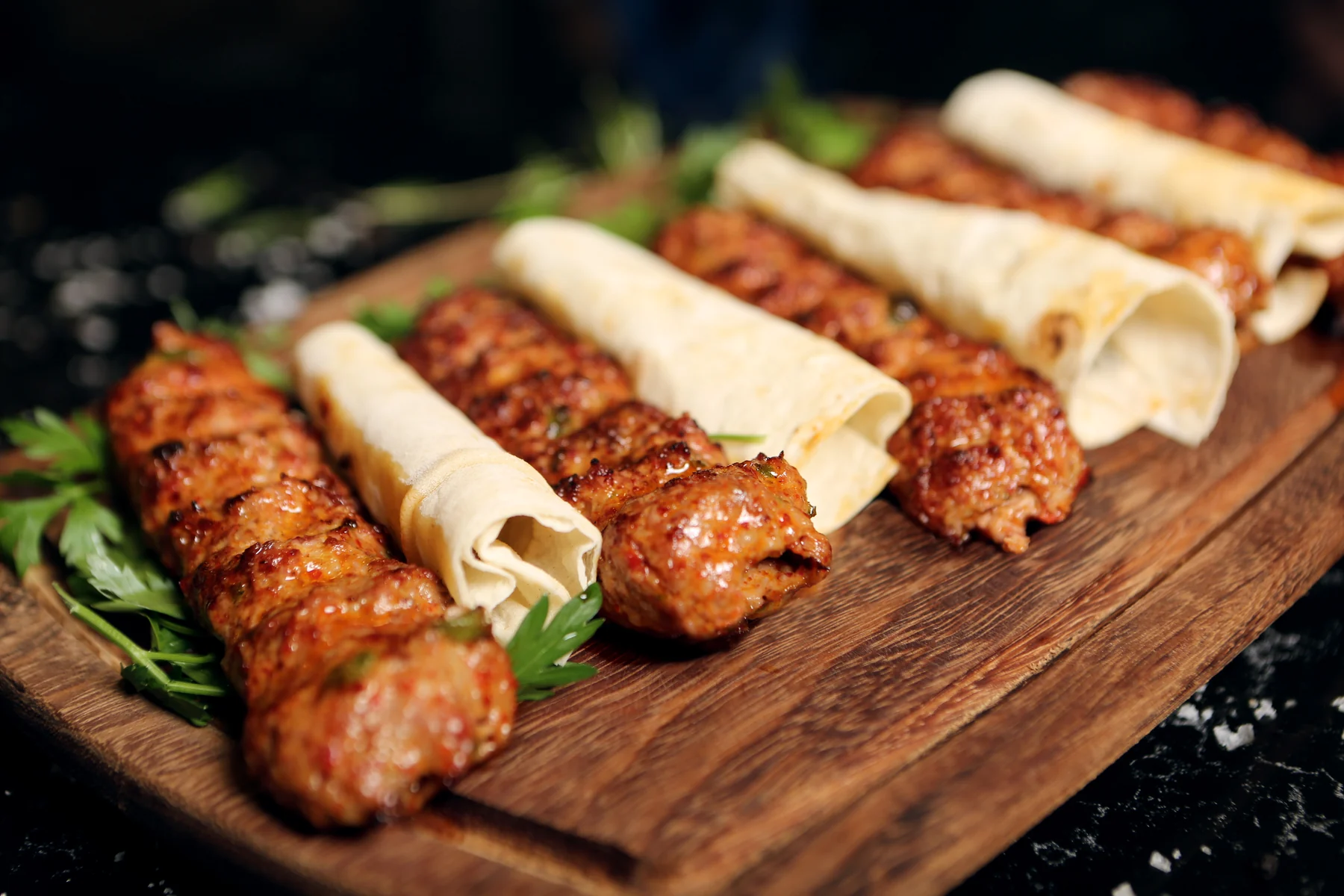
Southern Turkey thrives on fresh produce. Adana kebab delivers bold spice and richness.
Eggplant, peppers, and citrus create colorful, aromatic dishes closely tied to the land.
Southeast Anatolia: spice and legacy
Gaziantep and neighboring cities offer some of Turkey’s most intense flavors. Spices define the region’s culinary identity.
Pistachio baklava, lamb kebabs, and syrupy desserts have earned UNESCO recognition. Influences from Arab, Persian, Kurdish, and Turkish traditions merge seamlessly.
Here, food is celebration and cultural expression.
Turkish Airlines extends this journey beyond the destination. Connecting Brazil to 132 countries via Istanbul, the airline brings Turkish flavors onboard through its Flying Chefs, turning flights into cultural experiences.



Gostou do nosso conteúdo?
Seu apoio faz toda a diferença para continuarmos produzindo material de qualidade! Se você apreciou o post, deixe seu comentário, compartilhe com seus amigos. Sua ajuda é fundamental para que possamos seguir em frente! 😊
