
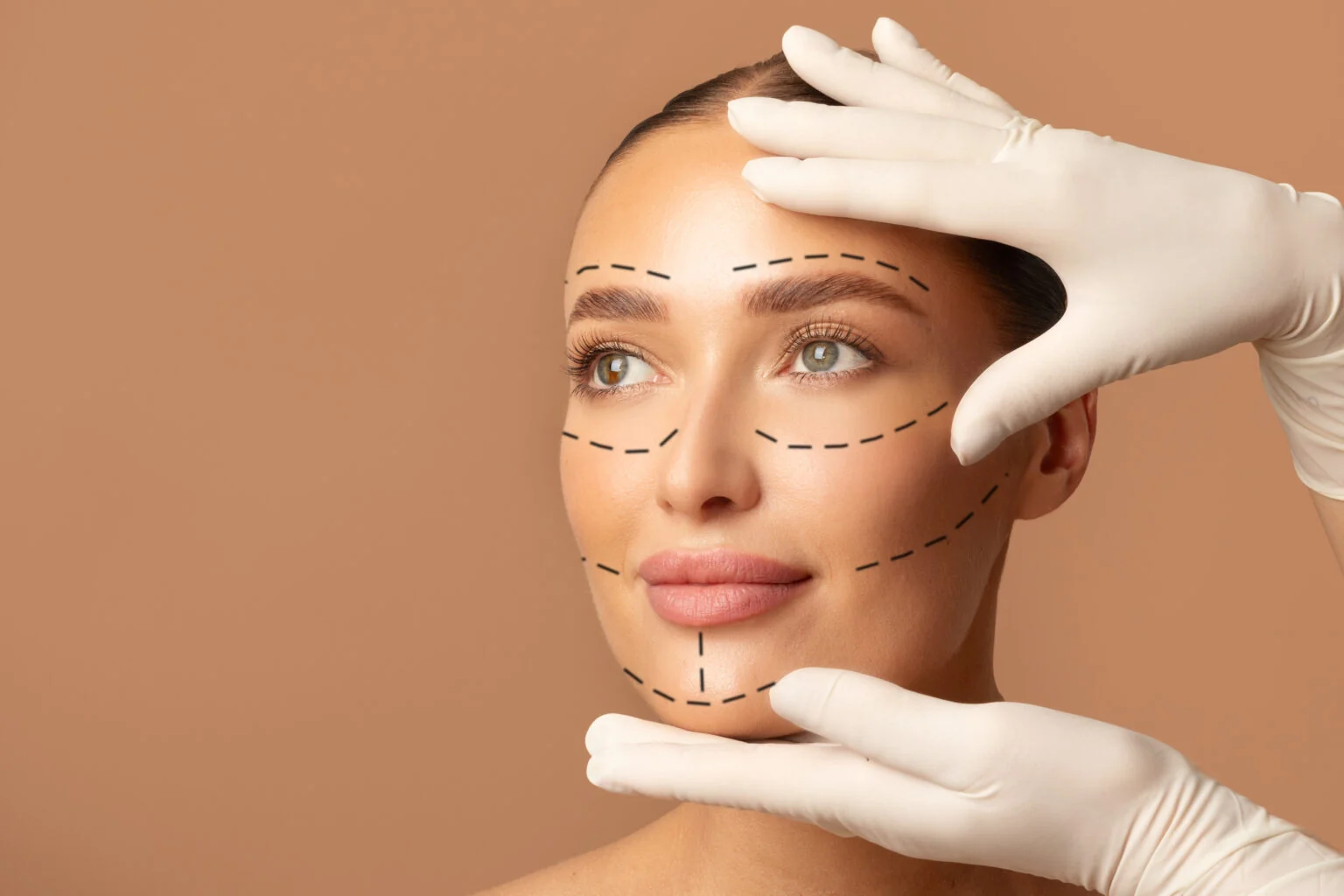
The Deep Plane technique repositions deep facial structures like muscles and fat, delivering natural-looking rejuvenation without the telltale signs of surgery.
Forget the pulled, “done” look. As aesthetics increasingly moves toward natural results, facial rejuvenation is undergoing its own transformation. The goal is no longer to look younger at any cost — it’s to look better while preserving features, expressions, and identity. That’s where the Deep Plane facelift comes in.
What makes Deep Plane different from traditional facelifts
Unlike traditional facelifts, which primarily address the skin’s surface, the Deep Plane technique works in the deeper layers of the face. Rather than simply pulling the skin, it repositions structures that shift with aging — including facial muscles and fat. The result integrates seamlessly with the face, without the artificial appearance associated with older techniques.
“The Deep Plane doesn’t just work on the skin — it repositions deep facial structures, which allows for more natural rejuvenation when properly indicated.” — Dr. Fábio Lyon, plastic surgeon
Patients are asking for subtlety, not transformation
The rise of this technique reflects a broader shift in patient behavior. Where the goal was once a visible change, today’s patients want something far more understated. The new reference point isn’t a dramatically altered face, but one that looks rested — as if time simply slowed down, rather than stopped.
“There’s a much greater demand for naturalness today. Patients don’t want to look like they’ve had surgery — they want to look like the best version of themselves.” — Dr. Fábio Lyon
Not a universal solution — proper indication matters
Despite growing interest, the Deep Plane is not for everyone. It’s primarily indicated for more advanced signs of aging, particularly when there is structural facial laxity. In milder cases, less invasive procedures may be more appropriate.
Precision is also critical. Because the technique operates in deeper anatomical planes, it demands both detailed anatomical knowledge and significant surgical experience. Choosing the right surgeon becomes even more decisive for the final outcome.
“It’s a more complex technique that requires experience. It’s not about following trends — it’s about the right indication.” — Dr. Fábio Lyon
Individuality at the core of plastic surgery
In an era when social media amplifies aesthetic standards and accelerates trends, concerns about cookie-cutter, excessive results are growing. The renewed appreciation for naturalness is almost a reaction — reinforcing a fundamental truth in plastic surgery: every face is unique.
“When aesthetics starts following rigid patterns, there’s a risk of losing each patient’s individuality. The role of plastic surgery is not to standardize faces, but to understand each person’s anatomy and aging process while preserving their features. Naturalness comes precisely from respecting proportions and identity — not from replicating an aesthetic model.” — Dr. Fábio Lyon
More than following what’s trending, individualized planning remains the defining criterion. Because the best result isn’t the one that transforms — it’s the one that respects and enhances what’s already there.
Gostou do nosso conteúdo?
Seu apoio faz toda a diferença para continuarmos produzindo material de qualidade! Se você apreciou o post, deixe seu comentário, compartilhe com seus amigos. Sua ajuda é fundamental para que possamos seguir em frente! 😊
