
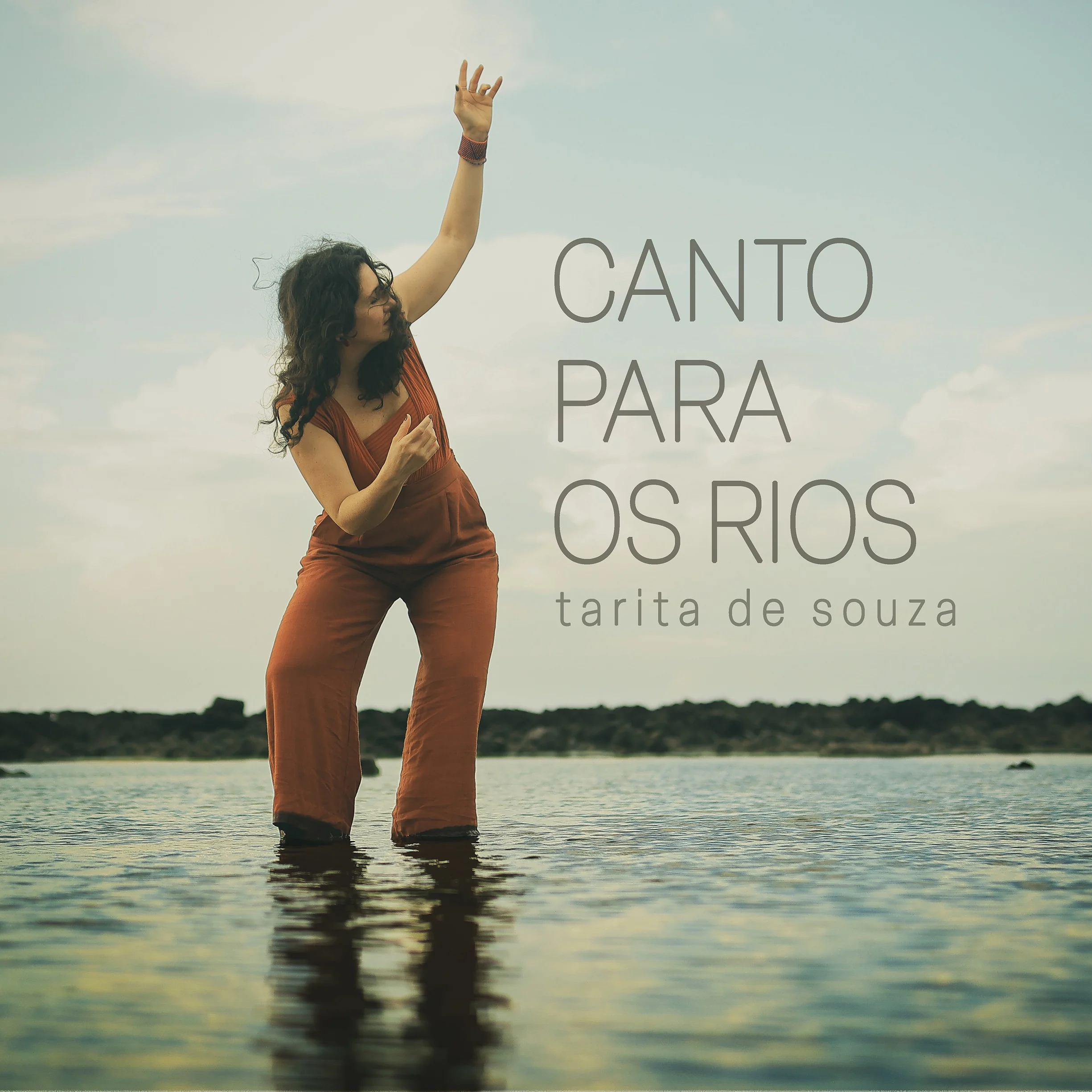
Produced by Dante Ozzetti, Tarita de Souza’s new album was born from three trips to the Amazon and offers a deep listening experience on water, memory, and Brazilian culture.
Canto para os Rios (Song for the Rivers), the seventh album by singer, composer, and USP music PhD Tarita de Souza, is now available on digital streaming platforms. The record brings together ten songs built over three years of fieldwork, river immersions, and direct contact with the cultural expressions of northern Brazil.
From the source to the sea
The sonic journey begins at the Pinheiros River in São Paulo and travels all the way to the mouth of the Amazon River in Macapá. The choice of the Amazon as the album’s central axis reflects a critical awareness: in southeastern Brazil, there is a deep cultural disconnect from Amazonian life — where urban communities still depend on rivers for transport and live alongside the region’s rich fauna and flora.
The musical production is co-signed by composer and arranger Dante Ozzetti, one of the most respected figures in Brazilian chamber music and authorial song. The album features contributions from Patrícia Bastos, Nayara Guedes, Erika Ribeiro, Luca Raele, Neymar Dias, Maiara Moraes, Thais Nicodemo, Kabé Pinheiro, Rodrigo Bragança, and the Calêndula Quartet.
A repertoire shaped as a crossing
The album opens with “Caminhos da Voz” (Pathways of the Voice), an introductory vignette. “Q’entesito” — a traditional Peruvian song with adaptations by Carlos Franco — follows as a thanksgiving to the waters, inspired by the image of a bird traveling through many places, leaving a piece of its heart in each. “Iara” and “O Canto do Abaporu” evoke mythological and spiritual figures, suggesting a realm of enchantment.
“A Terceira Margem” (The Third Bank) draws on the classic Guimarães Rosa short story, marking the transition from a dreamlike space to a physical, tangible riverbank. “Jaci”, with lyrics by poet Joãozinho Gomes, portrays the moon as a mother and origin — a cradle reflected in the waters of the Guamá river. “Canoa Voadeira” (Flying Canoe), composed by Ronaldo Silva and Allan Carvalho — two leading names in the contemporary music scene from Pará — celebrates life as constant transformation, like a boat always in motion.
“Rio Pinheiros” confronts urban reality with poetic rawness: it is about the death of a river, a finitude that is not absolute but demands inner work and transformation. The journey closes with “Guajará”, a coda of longing — the sum of everything experienced, and what remains when the journey ends.
Voice as the leading instrument
Musically, the album places the voice — and more precisely, multiple voices — at the heart of the experience. Throughout the record, they appear as solo singing, collective vocals, and choral formations, exploring the voice as texture and harmonic creation. This vocal plurality mirrors the nature of rivers: many streams converging into something greater.
Beyond the audio: the film
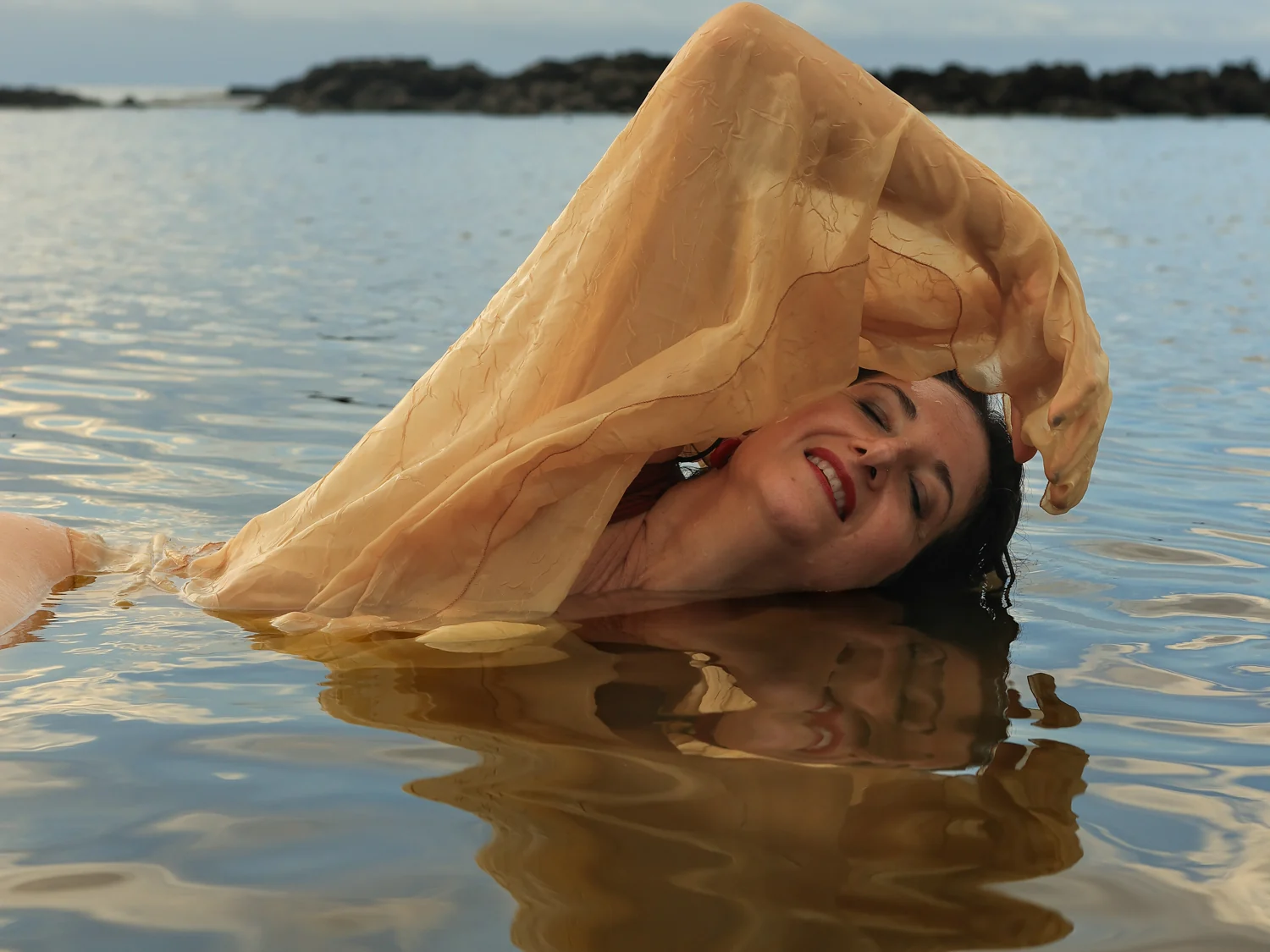
The album’s experience reaches beyond streaming platforms. The release is accompanied by a film directed by Luan Cardoso, with footage shot in the states of Pará and Amapá during underwater dives alongside singers Patrícia Bastos and Oneide Bastos. The film’s non-linear narrative expands the meanings of the songs and is set for release in late April 2026.
Who is Tarita de Souza
Tarita de Souza is a singer, composer, conductor, music educator, and visual artist who holds a PhD in music from the University of São Paulo (2024). With Canto para os Rios, she adds a seventh album to a career that began in 2014 with A Árvore e o Vento. She is a faculty member at Faculdade Rudolf Steiner and Faculdade Santa Marcelina, and works as a vocal coach and musical director in theater and film, with credits alongside names such as António Nóbrega, Chico César, and Zeca Baleiro.
Event Info
- Album: Canto para os Rios — Tarita de Souza
- Available on: digital platforms (Spotify, Deezer, Tidal, YouTube Music, Amazon Music)
- Musical production: Dante Ozzetti and Tarita de Souza
- Mixing: André Magalhães
- Mastering: Carlos Freitas
- Film: directed by Luan Cardoso — expected release late April 2026

Gostou do nosso conteúdo?
Seu apoio faz toda a diferença para continuarmos produzindo material de qualidade! Se você apreciou o post, deixe seu comentário, compartilhe com seus amigos. Sua ajuda é fundamental para que possamos seguir em frente! 😊
