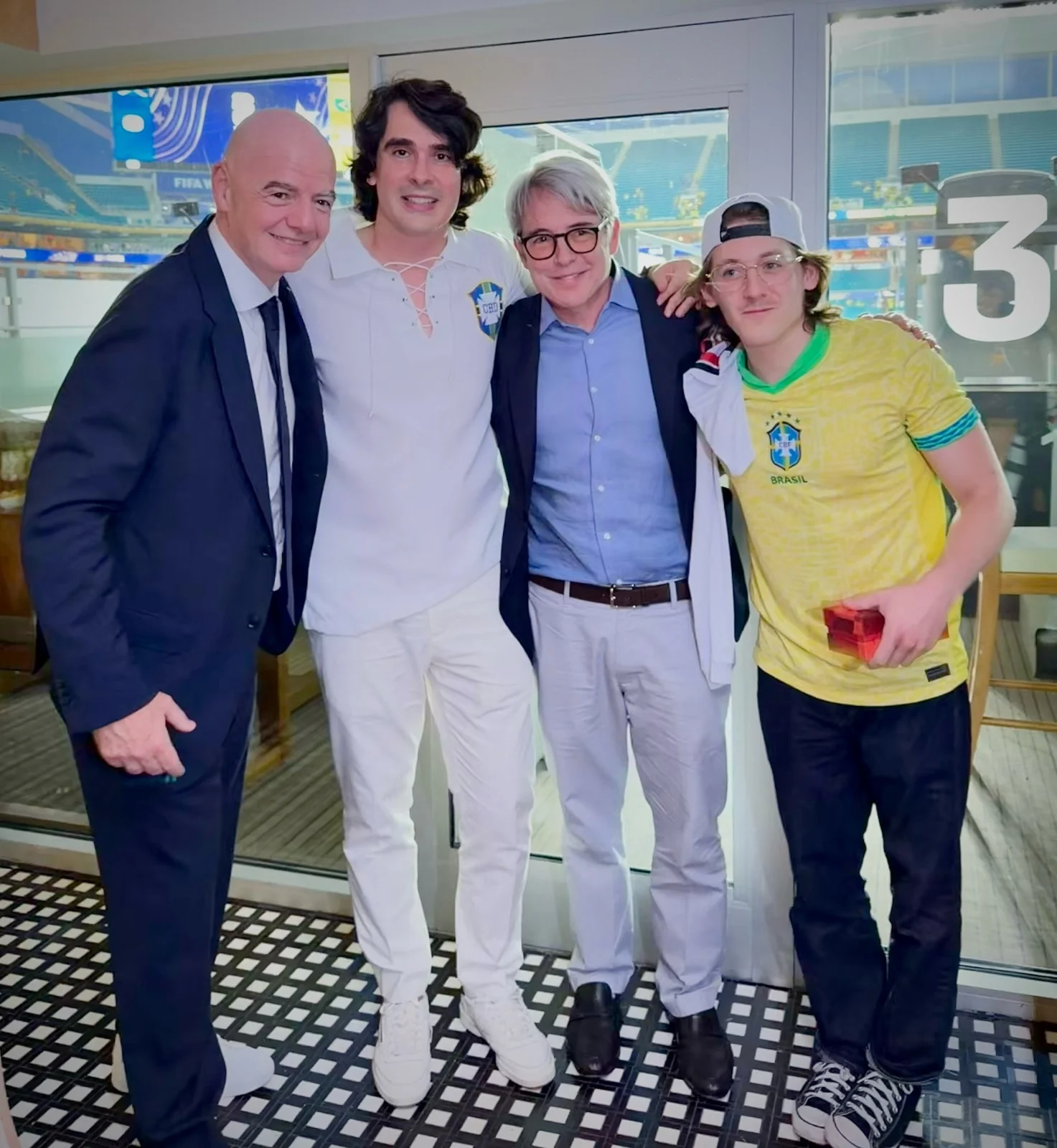
The 2026 World Cup is proving to be more than a sporting spectacle. Around the matches of the Brazilian National Team, entrepreneur Diego Fernandes is shaping a parallel arena where global influence, capital, and relationships intersect.
What was once limited to competition has evolved into a high-level networking environment. In just a few days, business leaders, investors, athletes, and government representatives share the same space in ways rarely replicated elsewhere.
Stadiums beyond sport
At the Brazil vs. Scotland match at the Hard Rock Stadium in Miami, this transformation became tangible. Fernandes hosted an institutional gathering that brought together CEOs, CFOs, international investors, and representatives connected to Saudi Arabia’s Ministry of Sport and Ministry of Investment.
The guest list also included cultural and sports figures such as Matthew Broderick, Gerard Butler, photographer David Yarrow, and NBA Hall of Famer Gary Payton, reinforcing the breadth of influence surrounding the event.
Moments that go beyond football
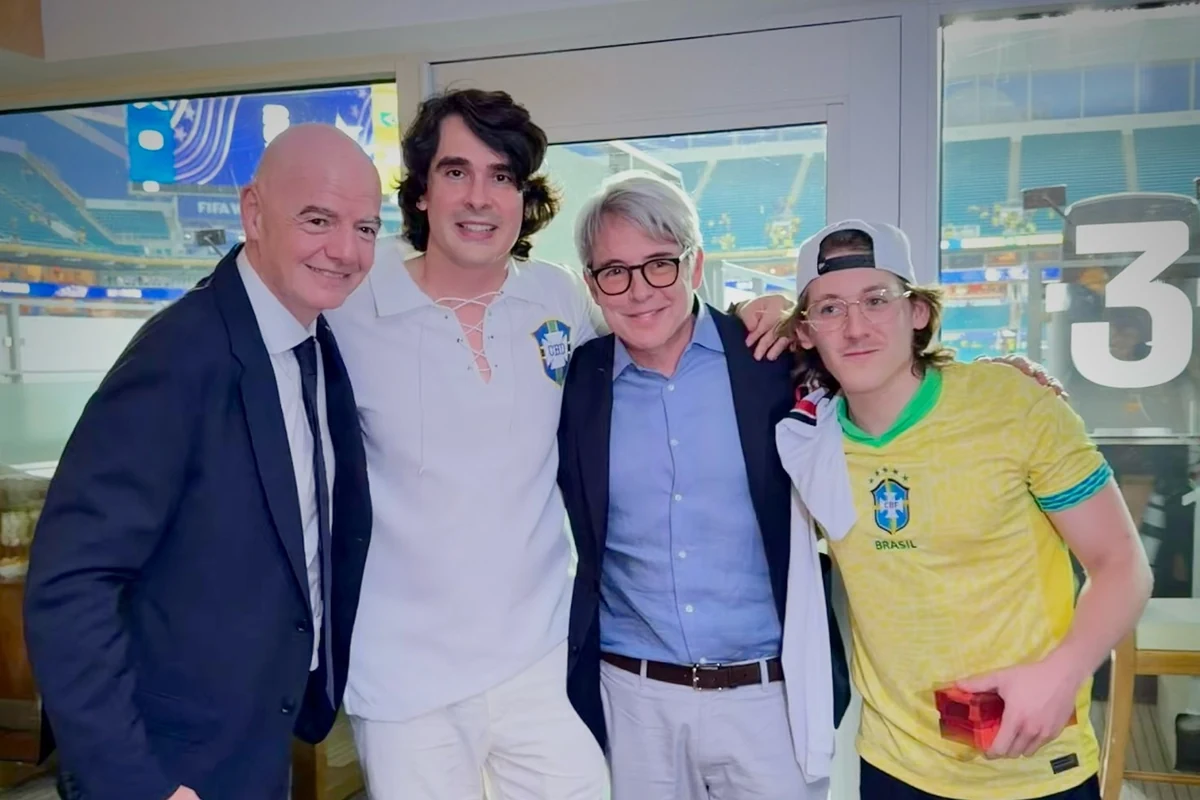
After the match, Fernandes met with FIFA president Gianni Infantino. Joined by Matthew Broderick and their families, the conversation centered on the emotional experience of attending the World Cup and its unique ability to unite people.
“The World Cup may be the only event capable of bringing together families, governments, investors, athletes, artists, and entrepreneurs around the same emotion.”
This convergence, Fernandes argues, is the tournament’s true legacy.
The power of human connection
According to Fernandes, what lasts beyond the final whistle are the relationships formed. The World Cup offers something increasingly rare: meaningful time together.
“The biggest legacy is the human connections created during the event.”
These shared experiences foster trust, opening the door to long-term partnerships and collaborations.
A broader strategic vision
This approach is part of a broader strategy. Days earlier in New York, during Brazil vs. Morocco, Fernandes brought together Ronaldinho, Nicki Minaj, Wyc Grousbeck, and a diverse group of investors and executives.
His involvement in the negotiation that brought Carlo Ancelotti to lead Brazil further expanded his role at the intersection of sport and global business.
Where sport meets capital
Fernandes has increasingly used events like the World Cup and Formula 1 as platforms for dialogue between sectors. His goal is to turn these moments into lasting ecosystems of cooperation.
At the core of this vision is a simple principle: relationships drive opportunity.
“The world’s biggest deals are still built between people.”
In this evolving landscape, global sporting events are no longer just competitions—they are catalysts for connection, influence, and long-term impact.